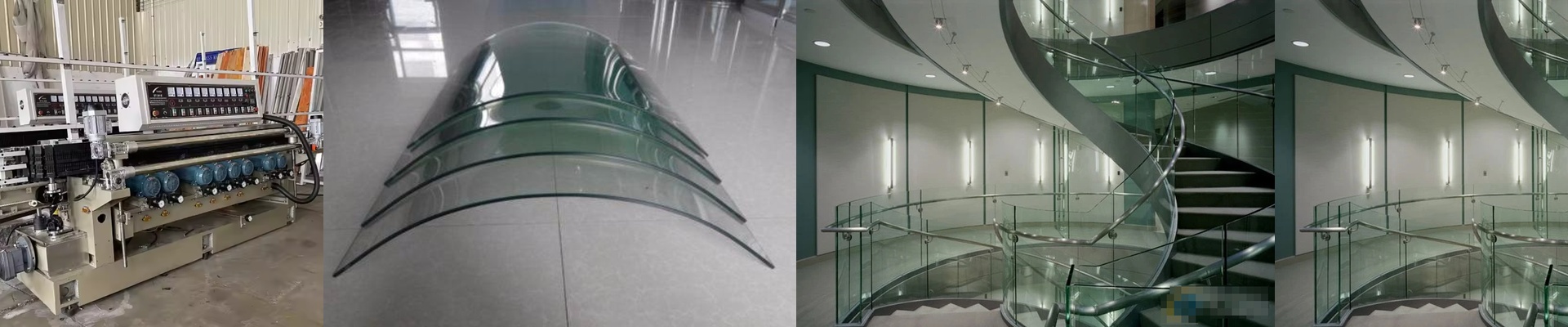
Cutting through ultra-thick glass is a nightmare for your equipment. It’s just too rigid. You can practically feel the friction fighting back, and your cutting wheels? They get chewed up fast. It’s a constant battle of attrition. To stop the blade from burning out, we use high-penetration infrared (IR) lamps. Basically, we heat up the glass right where the cut is about to happen. It softens the material just enough so the tool isn’t fighting a brick wall. Why regular heat doesn’t work Most heaters just warm up the surface. That’s useless for thick slabs. You need shortwave IR radiation because it actually sinks deep into the glass instead of just bouncing off. It creates this little pocket of heat. By the time the wheel hits, the glass is a bit more “giving.” It’s less about melting and more about making the material cooperate. Saving your tools When the glass is pre-softened, the diamond edge on your wheel isn’t taking the full brunt of a cold, hard strike. This means way less chipping and fewer of those annoying micro-fractures. Your tools actually last. But you have to be careful. It’s a balancing act. If you leave the heat on too long or crank it too high, you’ll end up with thermal shock or a deformed mess. You’ve got to nail the timing. Getting it set up We position these lamps to throw a concentrated beam of heat right in front of the cutting head. Since we’re dealing with thick plates, these things pull a lot of wattage to get the job done in seconds. The tricky part is the sync. Your control system has to be fast. If your cutting head slows down, you have to dim the lamps immediately, or you’ll overheat the path. And a pro tip: keep your cooling fans pointed straight at the lamp housings. If you don’t, the electronics will cook themselves.