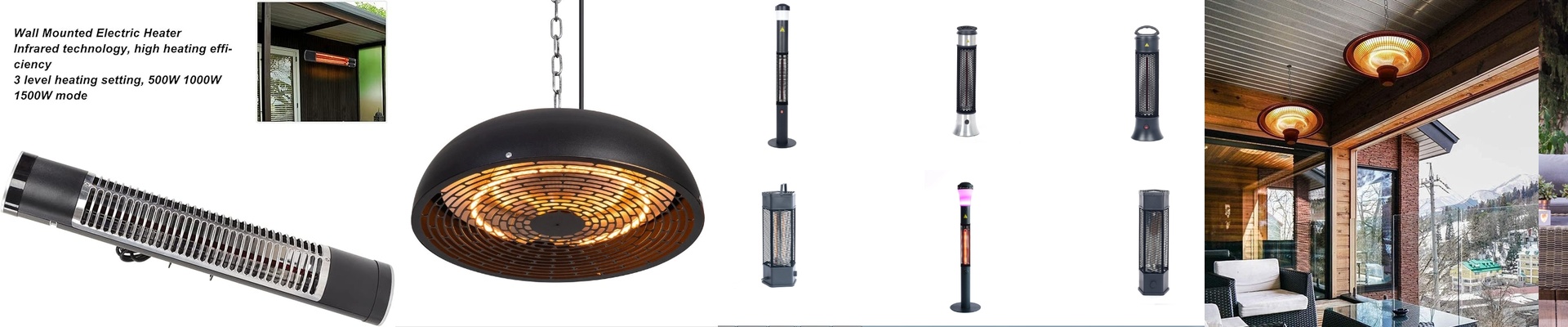
Handheld Infrared Drying: Precision for the Coating Line
We built this handheld glass drying light for the messy, real-world reality of long coating lines. It’s all about giving you control—real control—over the curing curve. How? Zone-controlled infrared heating. Instead of heating the whole line and hoping for the best, you hit specific sections with exactly the energy they need. You match the heat to the coating chemistry and the line speed. It’s focused, intentional, and honestly, a relief.
Power, Voltage, and Geometry: The Details That Matter
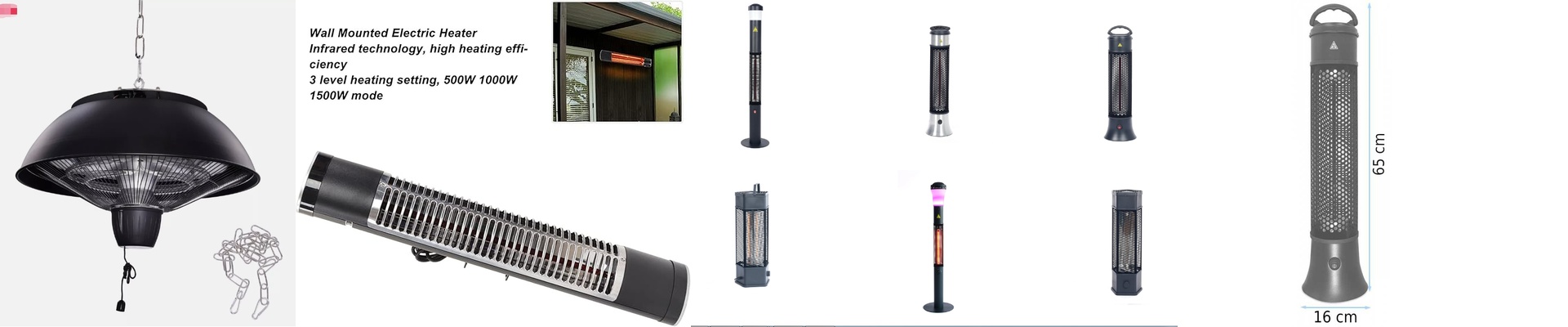
It runs on 400V, and that matters. That high-voltage supply gives you the wattage density you need for fast, pinpoint drying—without dragging down the line on long runs. The handheld shape? Totally intentional. It lets you bring the heat straight to the glass, instead of wrestling with the conveyor. You get intense heat in a small footprint, which is powerful. But that power means one thing: your cooling system has to be up to the job. Make sure it can handle the extra warmth in the air.
Materials and Design: Built to Work, Built to Last
Inside, a halogen element sits in a quartz envelope, pumping out shortwave infrared. That means the heat penetrates fast, working from the inside out. You get thorough drying without scorching the surface, which helps you avoid stress cracks on coated glass. The R7s connector is a no-drama choice. It’s easy to wire, holds steady even when things are shaking, and keeps going through the constant heating and cooling of production. And the housing? Tough. Coated, reinforced, and ready for the shop floor—drops, bumps, and high-cycle duty included.
Application and Benefits: Curing, Exactly on Your Terms
On long coating lines, you need different heat profiles across zones: pre-heat, dwell, and final cure. With zone-controlled infrared drying, you set each zone separately, matching the curve to the coating thickness and the substrate. The payoff is real: consistent cure quality, fewer rejects, and quicker changeovers. The handheld design makes it easy to reposition on the fly, and the focused beam means you’re not wasting energy. Just keep in mind—tighter zone control asks for accurate temperature feedback and steady line speed. That’s how you keep the curing curve exactly where you want it.