On the insulating glass line, the second seal is the make-or-break step. If the drying lamp can’t keep up, the butyl and polysulfide cure unevenly. You end up with haze, weak edge seals, and service calls you can’t afford. We built our glass insulation drying lamp to hit the thermal profile you need, shift after shift.
What matters under the hood
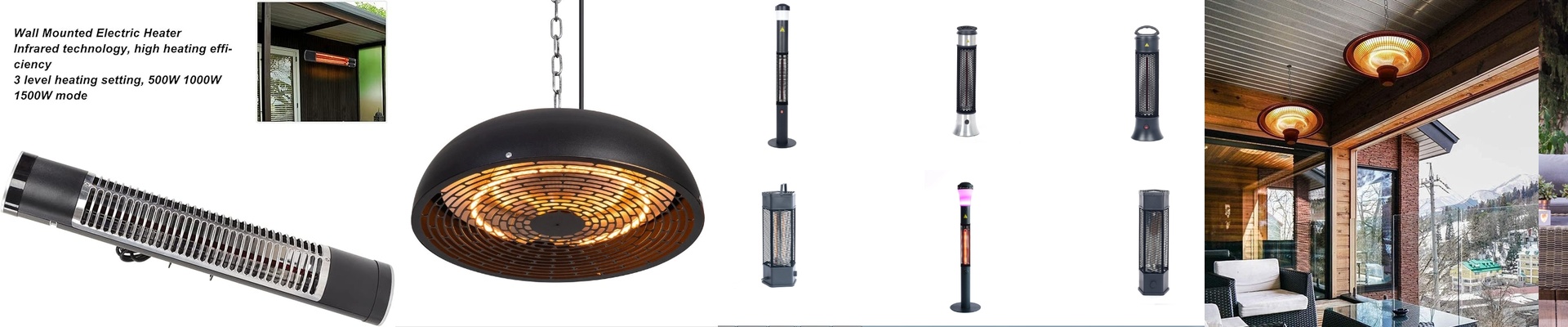
We run short-wave quartz halogen elements because they throw high-intensity infrared that penetrates the glass stack fast, without baking the frame. The wavelengths are chosen to match the spacer and sealant absorption, so the heat lands where it has to. The lamp body stays compact, with standard mounting centers and terminal blocks that line up to common OEM footprints. Power density is set for 2–5 kW per module, 230 V or 400 V, so you can match heat to line speed and glass thickness. Keeping the thermal profile tight across the width avoids hot spots that push thermal stress into coated or tempered lites.
Why it behaves in the cell
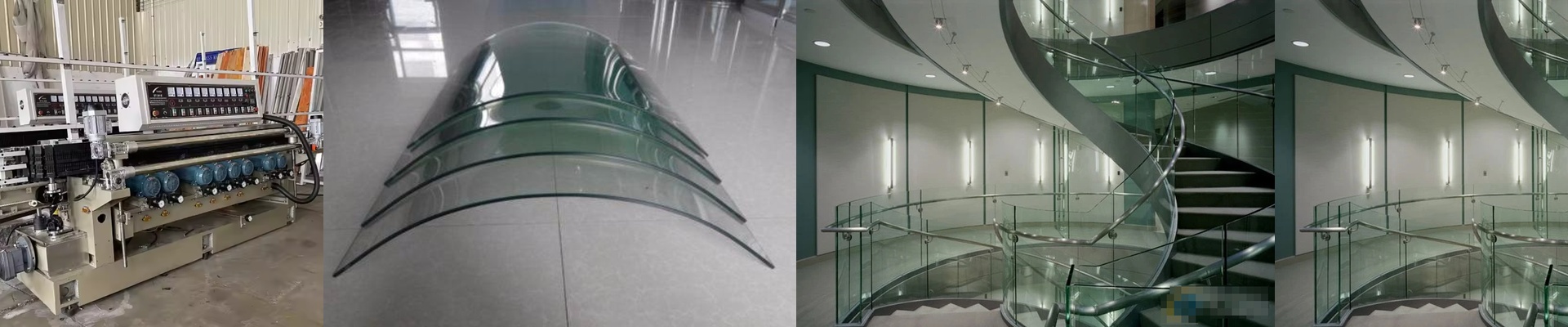
In the insulating glass cell, you need a repeatable, uniform heat band around the entire perimeter. Our drying lamp brings the zone to curing temperature in seconds, then holds steady. That shortens the dwell window, lifts output, and keeps the second seal solid—even on low-E and reflective coatings. Fewer rejects from fogging and edge failure. The dryer keeps pace with high-throughput cutting, bending, and tempering feeds. Energy use drops because the lamp heats on demand and cools quickly between cycles.
Practical notes from the floor
This is a drop-in module meant for easy replacement on most major glass machinery brands. Mounting holes and leads match standard assemblies, so you can swap without cutting brackets or rewiring the station. Still, check local clearances and airflow. The quartz envelope runs hot and needs unobstructed ventilation. Handle with clean gloves—oil residues cause hot spots and shorten element life. Schedule the swap during a planned stop, and you’ll keep the line moving with minimal disruption.