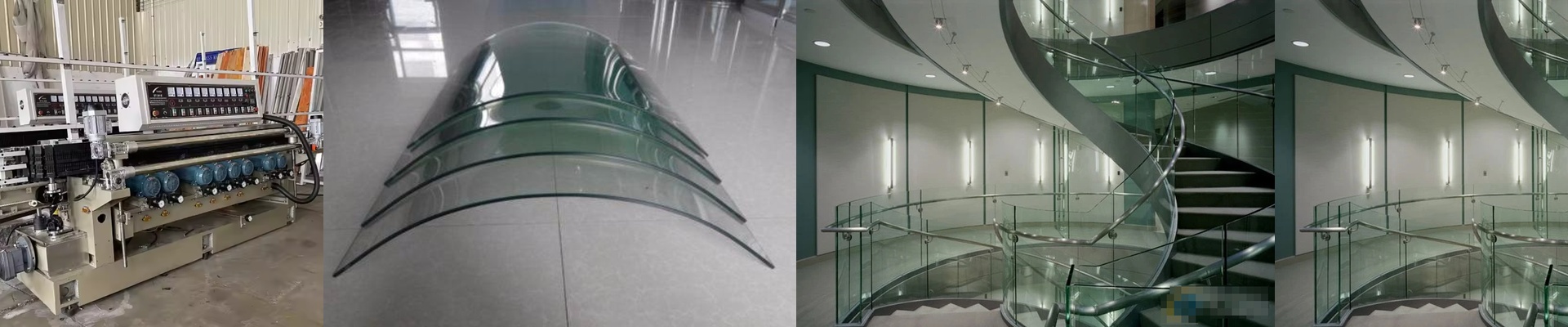
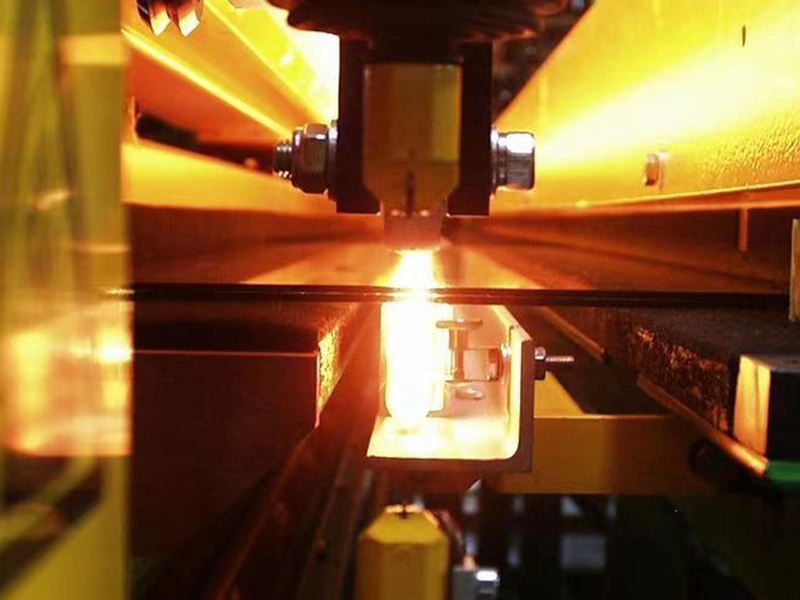
Out on the line, the bending furnace is screaming, but the glass just isn’t buying it. Zones that should be soft stay stubborn, while the edges are already scorched. You see the fallout in the scrap bin: wavy optics, edge cracks, and tempered parts that should have shipped but didn’t. Uniform heating isn’t a nice-to-have. It’s the line between a profitable run and a costly stop. What actually matters under the hood We built the heating around a short-wave infrared (SWIR) quartz emitter array, tuned for the emissivity of soda-lime and low-iron glass. The module pulls 20–60 kW and keeps tight spectral control, so it heats the surface fast without overdriving the bulk. Zone-by-zone power trimming keeps the thermal field flat across the bending bed, and a closed-loop pyrometer holds setpoint accuracy within ±3 °C. Response is quick—full power in seconds—so cycle time stays tight even when you switch thicknesses from 3 mm to 12 mm. Why this plays in real glass work It fits the day-to-day: hot bending, tempering preheat, lamination curing, and coating drying. That same uniform field cuts the thermal stress that cracks edges during bending, improves optical clarity by limiting convection-driven distortion, and shortens dwell windows in EVA/SGP lamination. Energy use drops because SWIR targets the glass directly, and the quartz elements handle repeated thermal shock cycles. The payoff is fewer rejects, stable throughput, and profiles you can repeat shift after shift. A few shop-floor details you can’t skip Uniformity comes down to emitter-to-glass gap and the furnace reflector geometry. Keep the working distance around 250–400 mm to hold the profile even. Slotting the module into an existing press or bending furnace takes about a day, and you’ll need a dedicated 400 V three-phase feed. Surface temperature uniformity is strong, but if the glass is coated, run the peak slightly lower to avoid blistering. Set the profile once, then run.