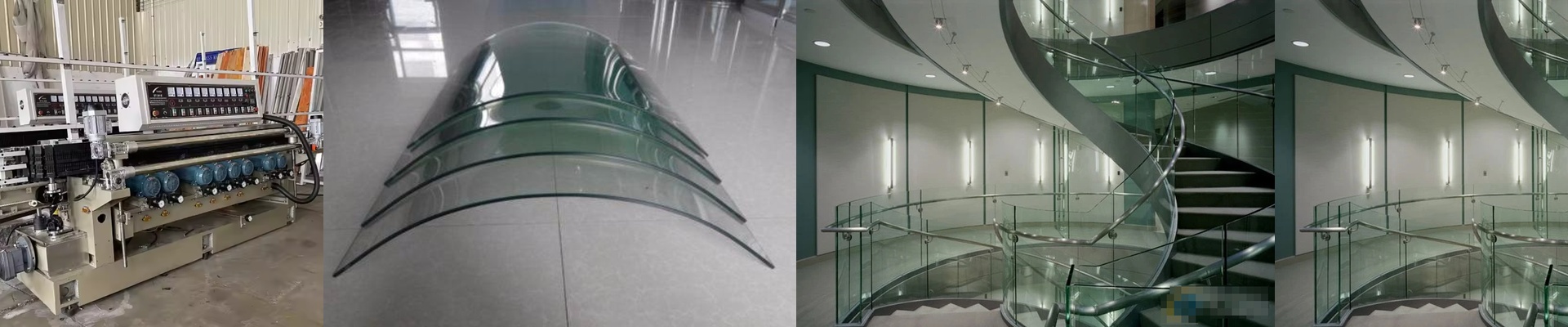
On the line, that kiln temperature profile isn’t a nice-to-have. It’s the thin line between a good run and a stack of scrap. When the thermocouple drifts, the glass heats unevenly. Thermal stress builds. You end up with warp, optical distortion, or parts that fracture after bending or tempering. So the furnace runs hotter to compensate, and the energy bill climbs. What matters, technically A glass kiln thermocouple has to give stable readings in a high-temperature, high-cycling environment. We spec Type K or Type S assemblies with mineral-insulated, grounded junctions—fast response and repeatable numbers. Sheath material depends on the kiln atmosphere: quartz or alloy protection in oxidizing zones, and tough ceramic where convection is high. We pick emissivity and mounting geometry to cut radiation error, so the reading tracks the glass surface temperature, not the chamber wall. Why this works on the floor Tighter temperature control means better yield. Less thermal shock and fewer stress fractures improve bending repeatability, and tempering strength stays within spec. Fewer rejects mean less rework and scrap. You also stop overshooting in the furnace, so kWh per part drops. And when sensor life is predictable, you stop reacting to drift and failure—replace on schedule, keep downtime and maintenance labor under control. The details that bite you Installation geometry matters. Put a thermocouple in a dead zone and it reads air, not glass. Then the control loop chases the wrong signal. Calibrate at operating temperature, and match the thermowell material to the kiln’s thermal cycling profile. Expect shorter life in high-moisture or high-soak zones—inspect on a cadence and keep spares on the shelf.