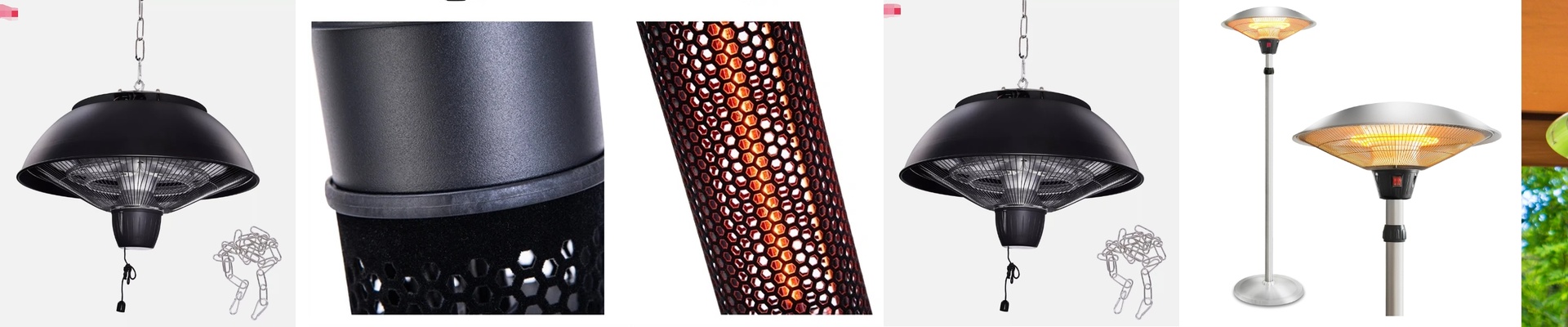
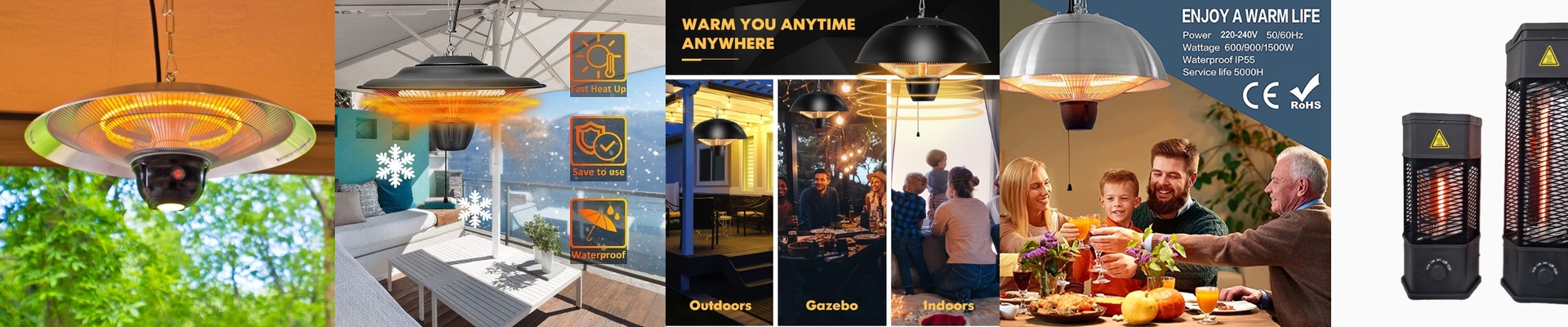
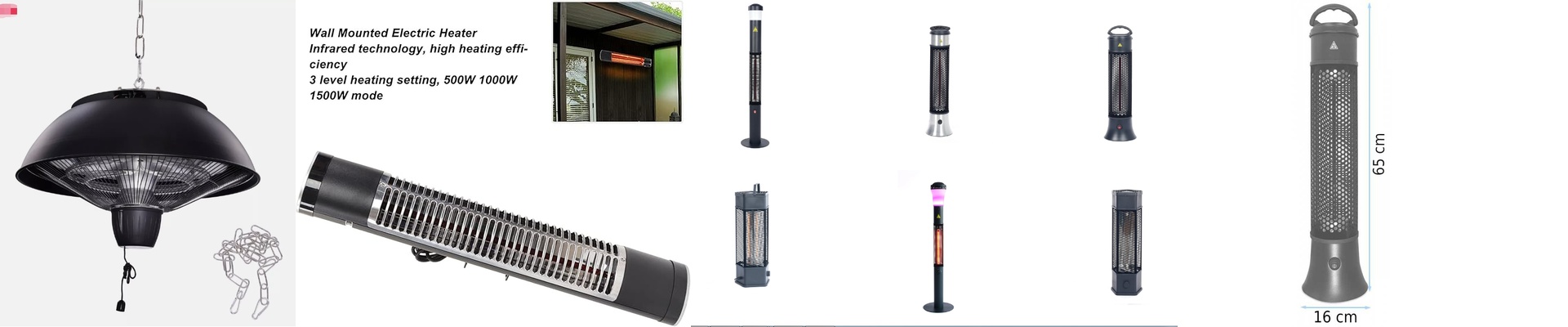
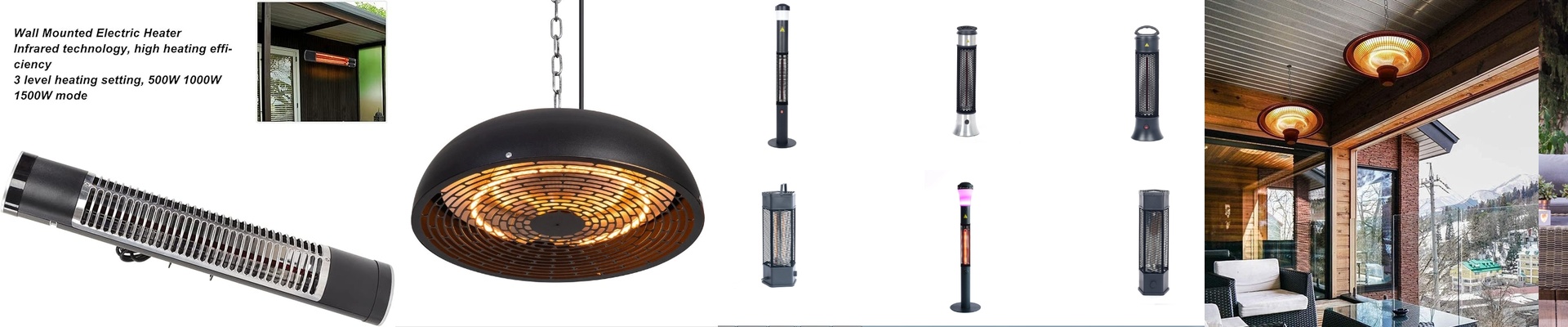
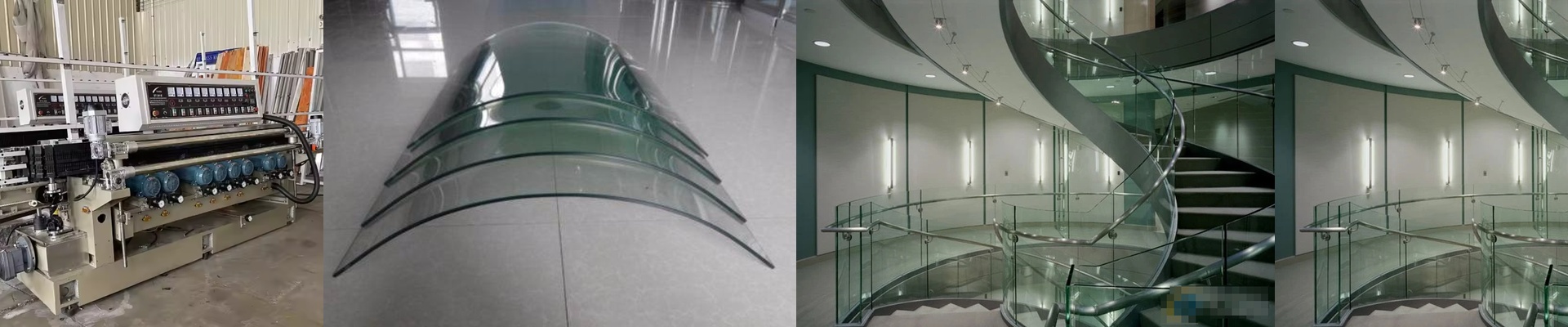
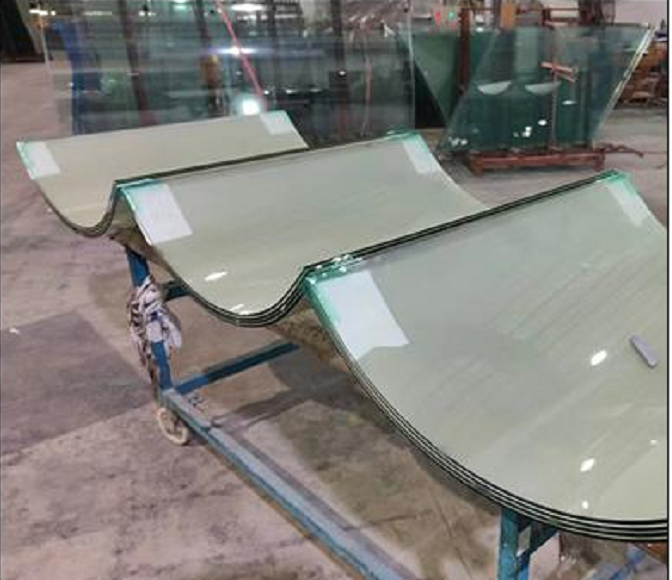
On a bending line, that lamp isn’t just heating the mold. It’s what actually sets the shape—and the stress profile—in the glass. If the thermal field is off even a little, you’ll see optical distortion, roller wave, and scrap that only shows up later as thermal stress fractures. The reflector has to deliver directional, repeatable heat, shift after shift, no excuses.
What matters under the hood
We build the reflector around short-wave infrared (NIR) elements in a quartz envelope. They respond fast and throw heat in a tight direction. The geometry is worked to lay a uniform heat pattern across the mold surface, so you don’t get hot spots and cold edges that make the glass sag unevenly. That gives you a thermal field that stabilizes quickly. You can hit setpoints in seconds, not minutes, and hold them with tight tolerance across the whole bending envelope.
Why this matters on the floor
In bending, cycle time is money—but stability is safety. This reflector cuts the ramp-up window, so the glass hits forming temperature sooner without overshoot. The payoff is higher throughput and fewer rejects from inconsistent curvature. Energy use drops because the heat goes exactly where it needs to. Directed radiation beats broad convection, and the lamp comes up to operating temperature fast, which trims idle power. In practical terms, you get more good glass per hour, with less scrap and less downtime chasing temperature drift.
What you need to keep straight
Installation is straightforward on standard bending lamp fixtures, but the reflector has to be aligned to the mold contour. Even a small misalignment can shift the heat band and cause edge roll-in. Handle the quartz with clean gloves, and keep the reflective surface free of oxidation and dust. Those two factors directly impact emissivity and uniformity. Plan for thermal cycling. The fast response is an advantage, but it also means the lamp sees higher thermal shock. Stick to the recommended warm-up and cool-down procedures—they protect element life.