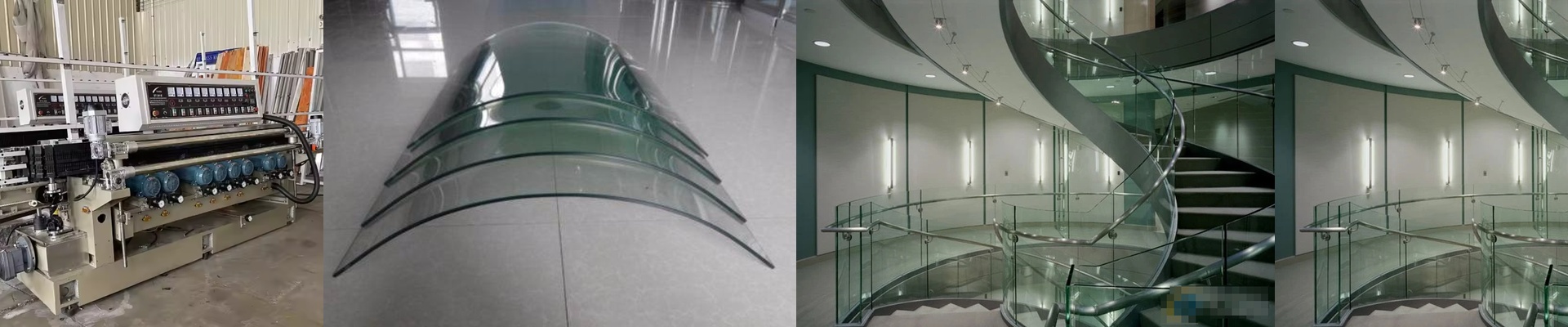
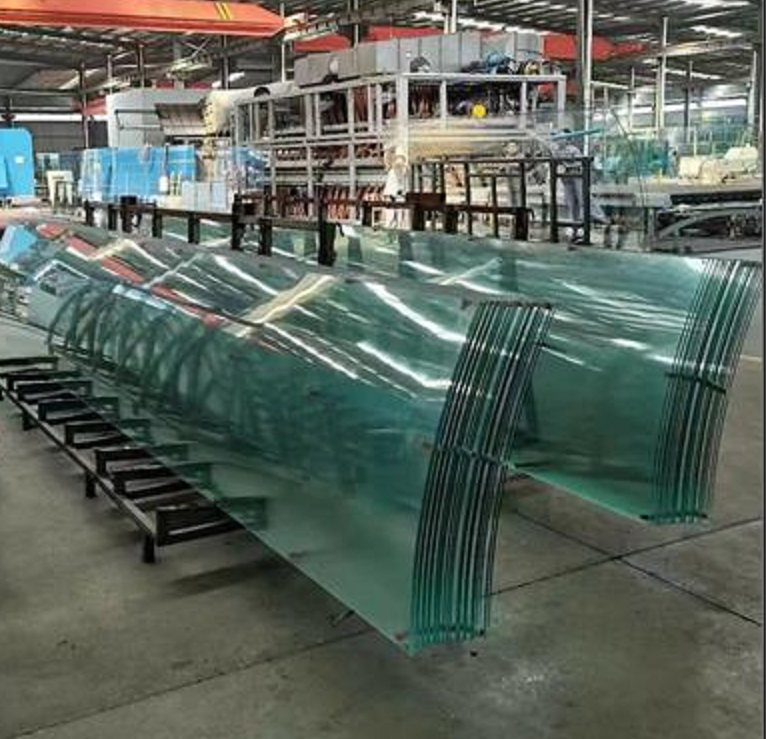
On the shop floor, glass heating doesn’t cut you any slack. One hot spot in bending and you’re staring at optical distortion. A lag in tempering preheat? You’ll get uneven quench and thermal stress. In lamination, a slow or uneven cure shows up as bubbles and weak edges. You need temperature data you can trust—and you need it fast enough to react. What matters under the hood We built this laser temperature gun around a high-speed infrared sensor and a laser spot that stays tight. It grabs surface temperature in milliseconds, so you can watch ramp rate and dwell in real time—across hot glass, coated surfaces, and even the molds. The optics are tuned to glass emissivity and common low-E coatings, which cuts down on measurement drift. The housing is plant-rated for heat, dust, and vibration. Output is clean analog and digital signals that plug straight into PLCs and furnace controls, so the heating curve stays repeatable shift after shift. Why this works in hot bending is simple: you control sag and shape by holding the thermal profile across the whole sheet. The gun removes guesswork, so you cut rework and keep the line moving. In tempering, preheat uniformity before quench means fewer stress fractures and fragmentation that stays consistent. With EVA and SGP lamination, hitting the target temperature profile across the autoclave or oven shortens cure time and tightens bond strength. The payoff shows up as higher yield, fewer scrapped loads, and less energy per square meter. A few realities to keep in mind: the sensor reads surface temperature, so emissivity and clean optics matter. If you’re running thick stacks or multi-layer setups, verify against a contact probe during setup. Installation is straightforward, but aiming tolerance is tight. Mount it so the beam stays on target through the entire cycle. And expect a small offset when you measure highly reflective coatings. Program it once, then lock the profile.