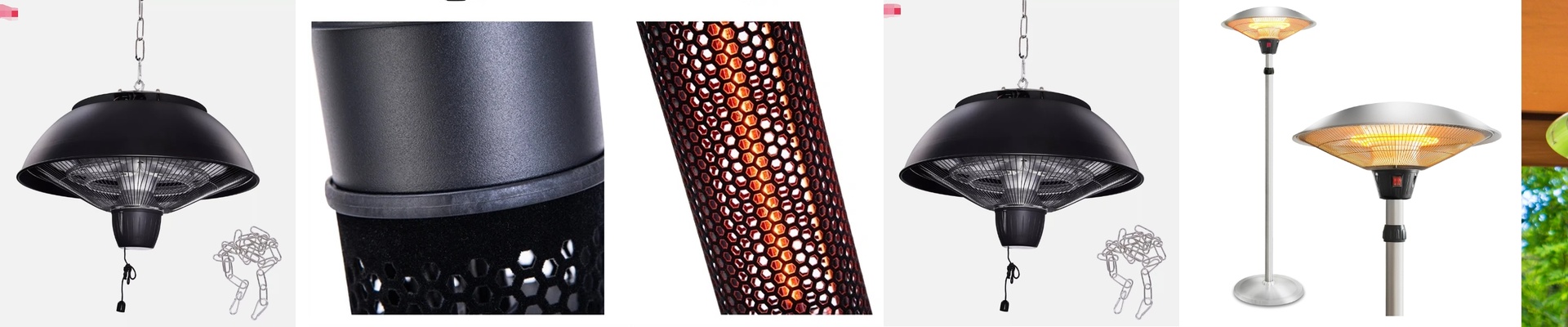
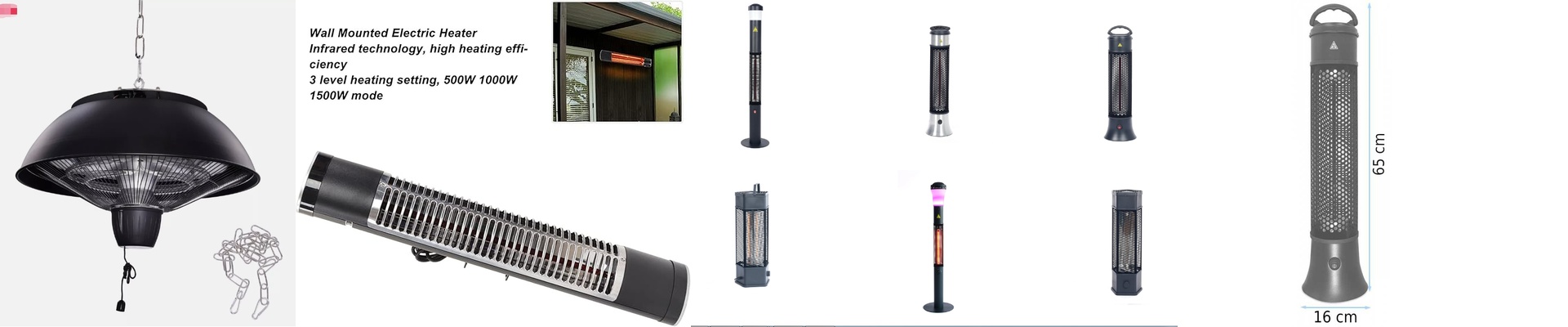
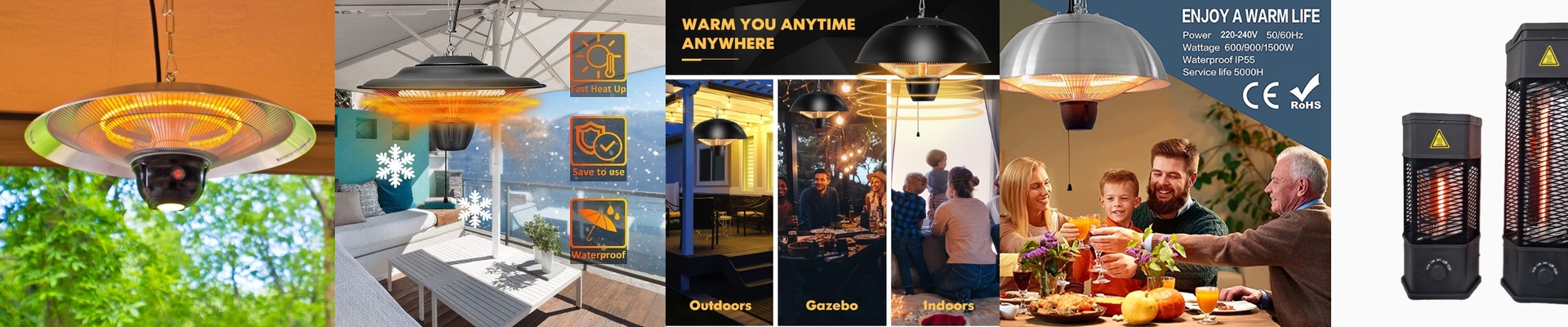
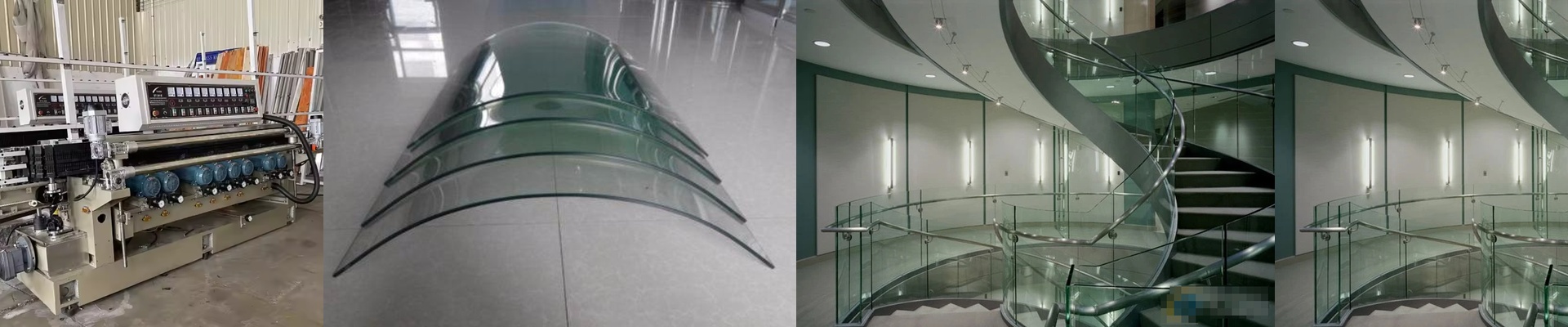
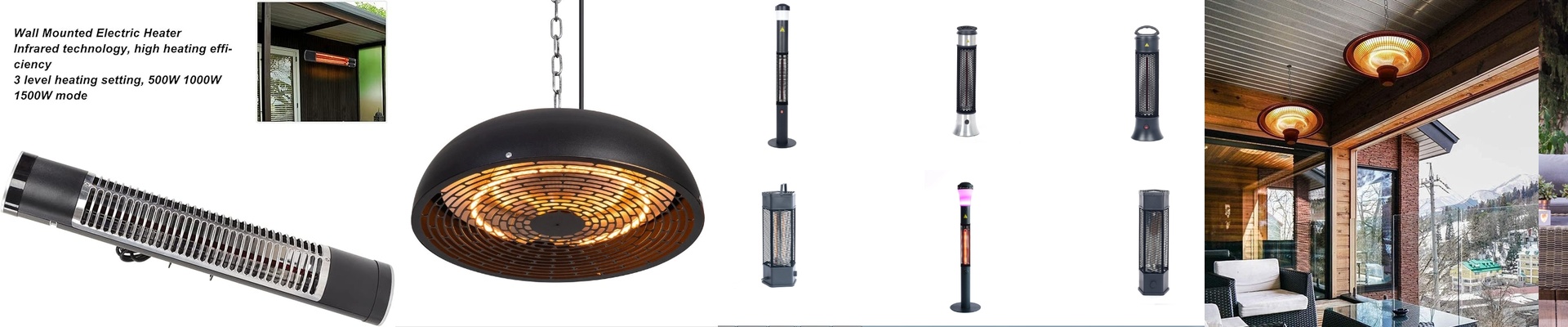
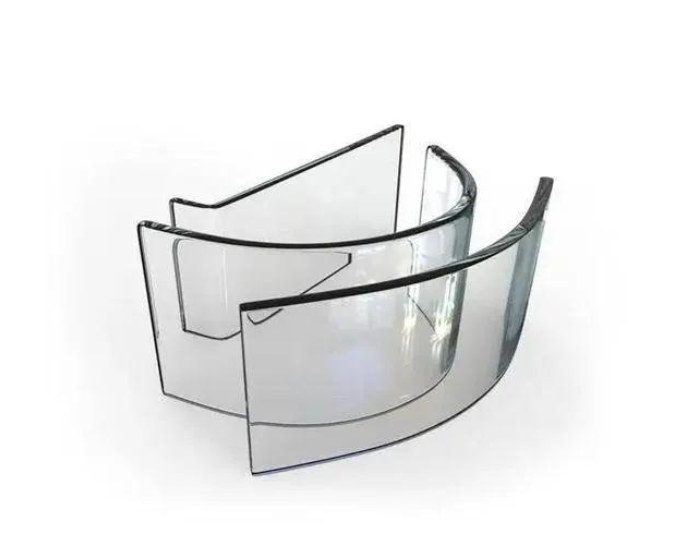
On the glass line, heat isn’t just temperature—it’s control. A shaky thermal profile during tempering or lamination shows up as optical distortion, uneven bow, or stress fractures that scrap a sheet you already paid to cut. Standard heaters often can’t hold the stable, uniform field you need when thickness changes and cycle times get tight. What matters under the hood We build custom quartz heaters around the realities of glass processing: fast response, tight hot-zone uniformity, and stable output under high duty cycles. Quartz elements deliver high power density with low thermal mass, so the heater hits setpoint quickly and follows recipe changes without lag. The payoff is a more repeatable heat profile across the glass, cutting the thermal gradients that drive warp and breakage. We size watt density and map the element layout to your glass—clear, coated, tinted, or laminated stacks—so emissivity behaves predictably and the soak is consistent. On tempering and bending lines, the heater has to hold a tight window so quench pressure and curvature stay in spec. In EVA/SGP/PVB lamination, it has to deliver uniform energy to drive adhesion without hot spots that cause bubbles or haze. Our custom quartz units shorten ramp-up, hold evenness across the full width, and reduce the time spent chasing setpoint drift. That means fewer rejects, steadier optical quality, and higher throughput with less scrap. Energy use drops because heat is delivered on demand, not wasted heating mass that never touches the glass. Here’s what to watch for These heaters are engineered to match your machine geometry, but mounting surfaces and airflow need attention. Clearance and alignment directly affect uniformity, and mismatched airflow can create convection-driven hot bands. We supply dimensional drawings and lead-wire routing so the unit drops in cleanly, but confirm your control strategy—PID tuning and thermocouple placement matter as much as the heater itself. Plan for routine inspection of the hot zone and terminals. In high heat and high vibration, fasteners and insulators need periodic checks to keep performance stable.