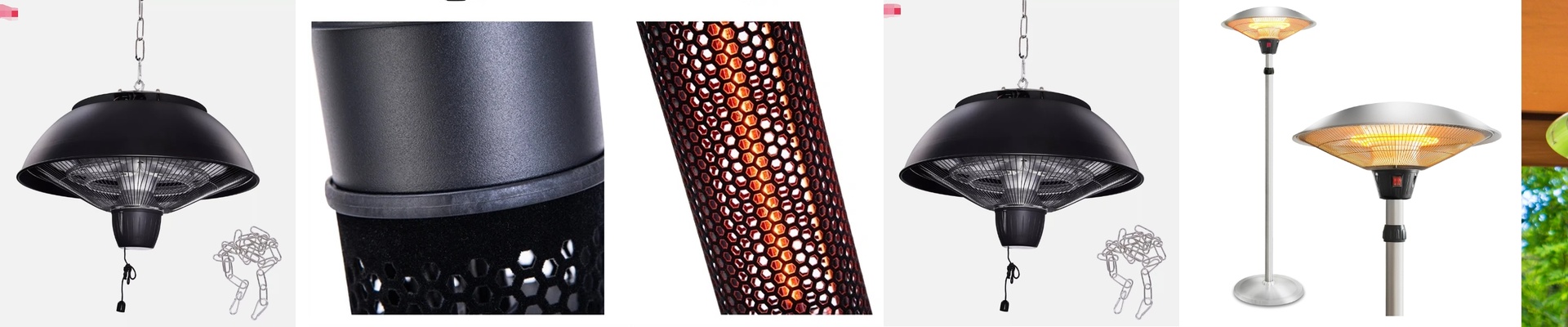
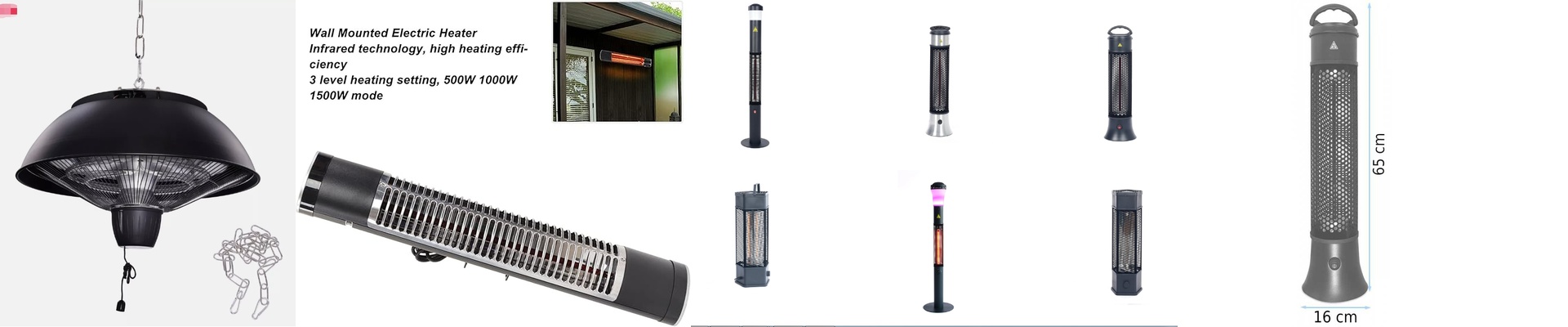
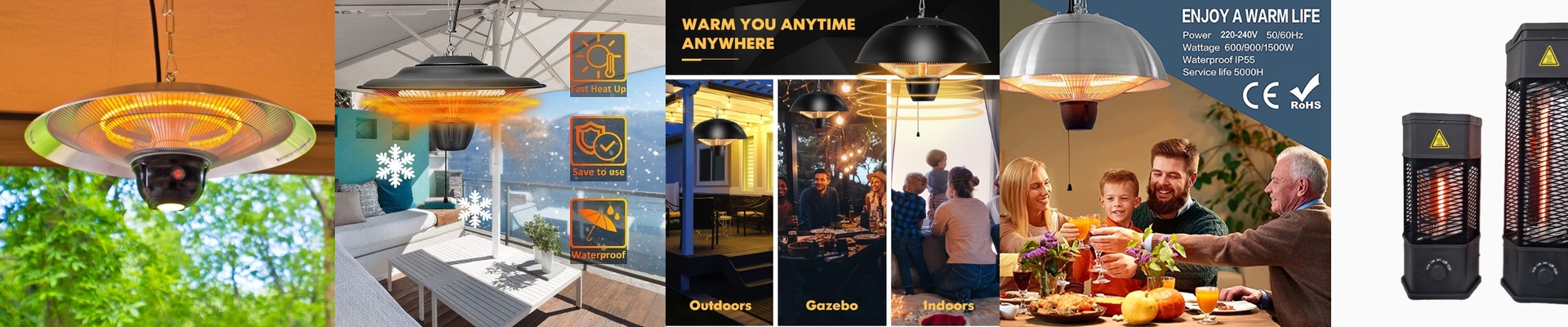
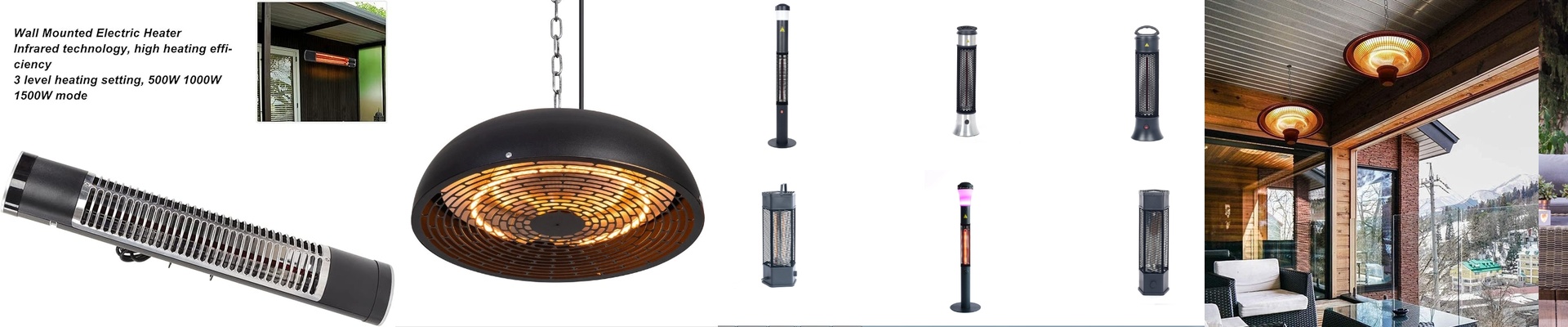
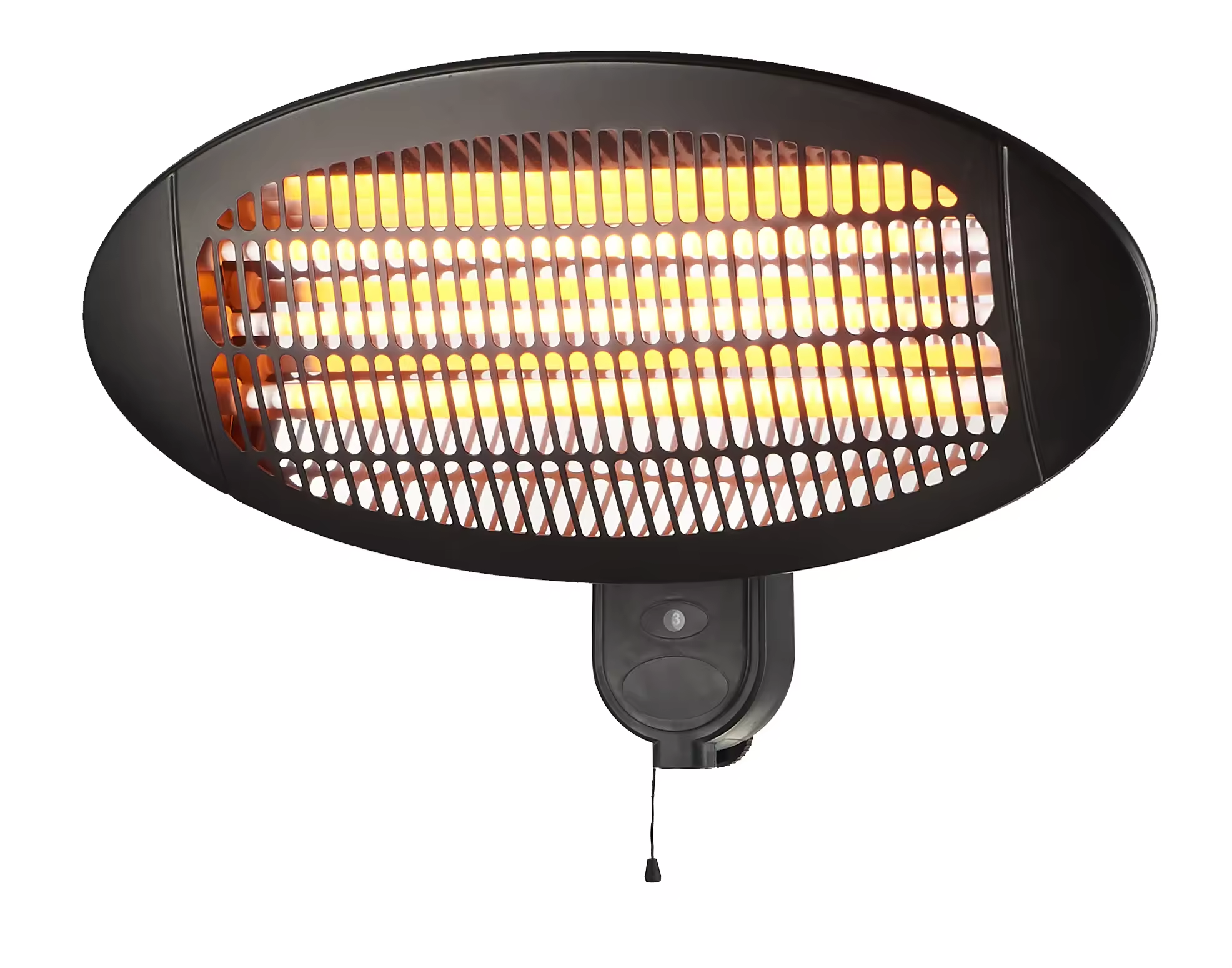
Ever notice how an infrared heater can feel toasty one second and barely there the next? Nine times out of ten, it comes down to mounting height. Halogen bulbs crank out instant radiant heat, sure, but that warmth only lands where you need it if the bulb is positioned correctly. Mount it too high, and the beam gets diluted. Too low, and you end up with hot and cold spots. The whole point is simple: steady, direct heat right where you’re sitting. What’s actually going on under the hood Halogen bulbs use a quartz envelope packed with halogen gas, running hot enough to throw off short-wave infrared. That gives you a focused beam that heats people and objects directly, not the air around them. Most residential units run on 800W to 1500W bulbs, sized to match the room and the exposure. The beam angle—usually around 90 degrees—sets how wide the warmth spreads. A tighter beam concentrates the intensity; a wider beam spreads it across more seats. Match the bulb to a reflector built for that angle, and you get coverage you can count on instead of guessing. Why this setup makes sense at home When you’re running an infrared heater at home, the question is how to get the most comfort. Mount the unit at 6 to 8 feet, and you hit the sweet spot: far enough to cut glare, close enough to feel the warmth on your skin. Angle the heater slightly downward, about 15 to 30 degrees, so the beam lands on chest and legs instead of the ceiling. That keeps patios, sunrooms, and entryways comfortable without forcing the heater to chase air temperature. You get steady comfort and lower energy use because the bulb heats what you feel, not what you don’t. The practical details you can’t skip Halogen heat is directional, so placement matters way more than with convection heaters. Keep the bulb clear of curtains and overhead obstructions, and make sure the fixture is rated for the wattage you’re running. The bulb surface runs hot—protect kids and pets from direct contact. For outdoor use, confirm the unit has the right IP rating; without it, moisture and wind will shorten the bulb’s life. When the bulb is nearing end-of-life, swap it for the same type and wattage to keep the beam and warmth consistent.