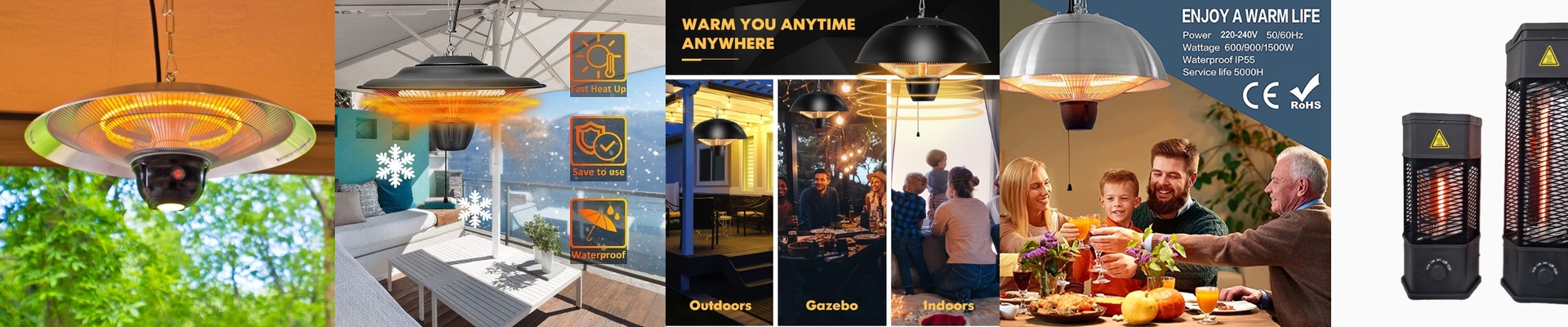
Galleries and museums are tricky places to heat. The wrong system can quietly wreck the environment—convection heat stirs up dust and throws humidity all over the place, and that’s what makes wood split, pigments drift, and paper curl. You need warmth that stays out of the air and away from the collection.
What matters under the hood
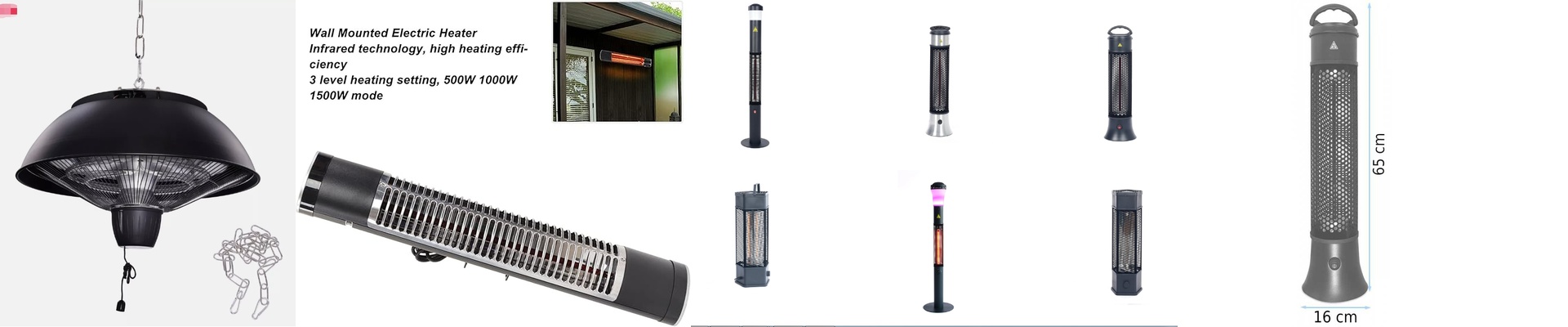
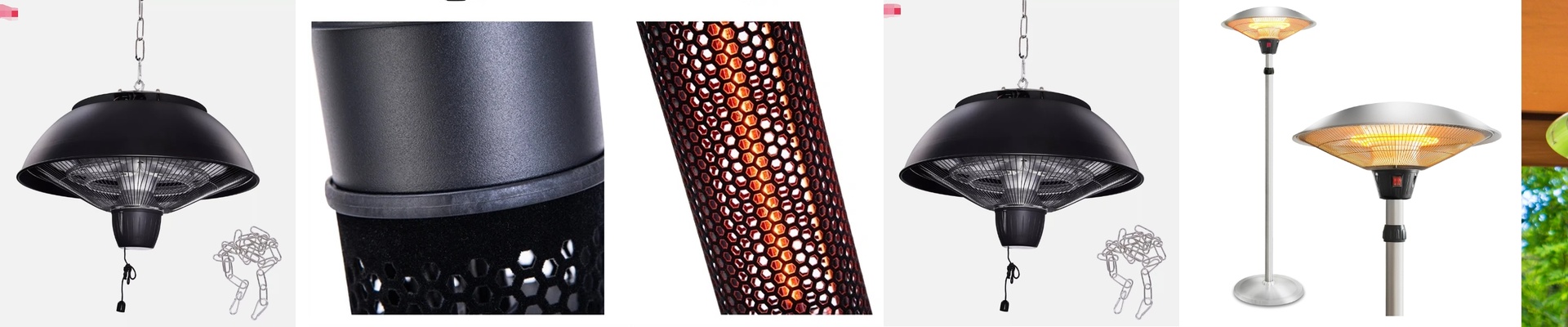
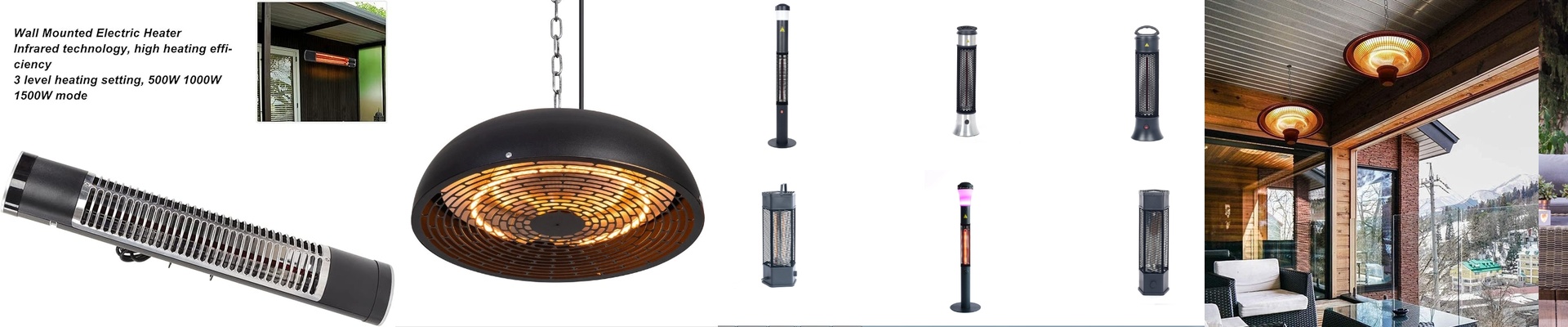
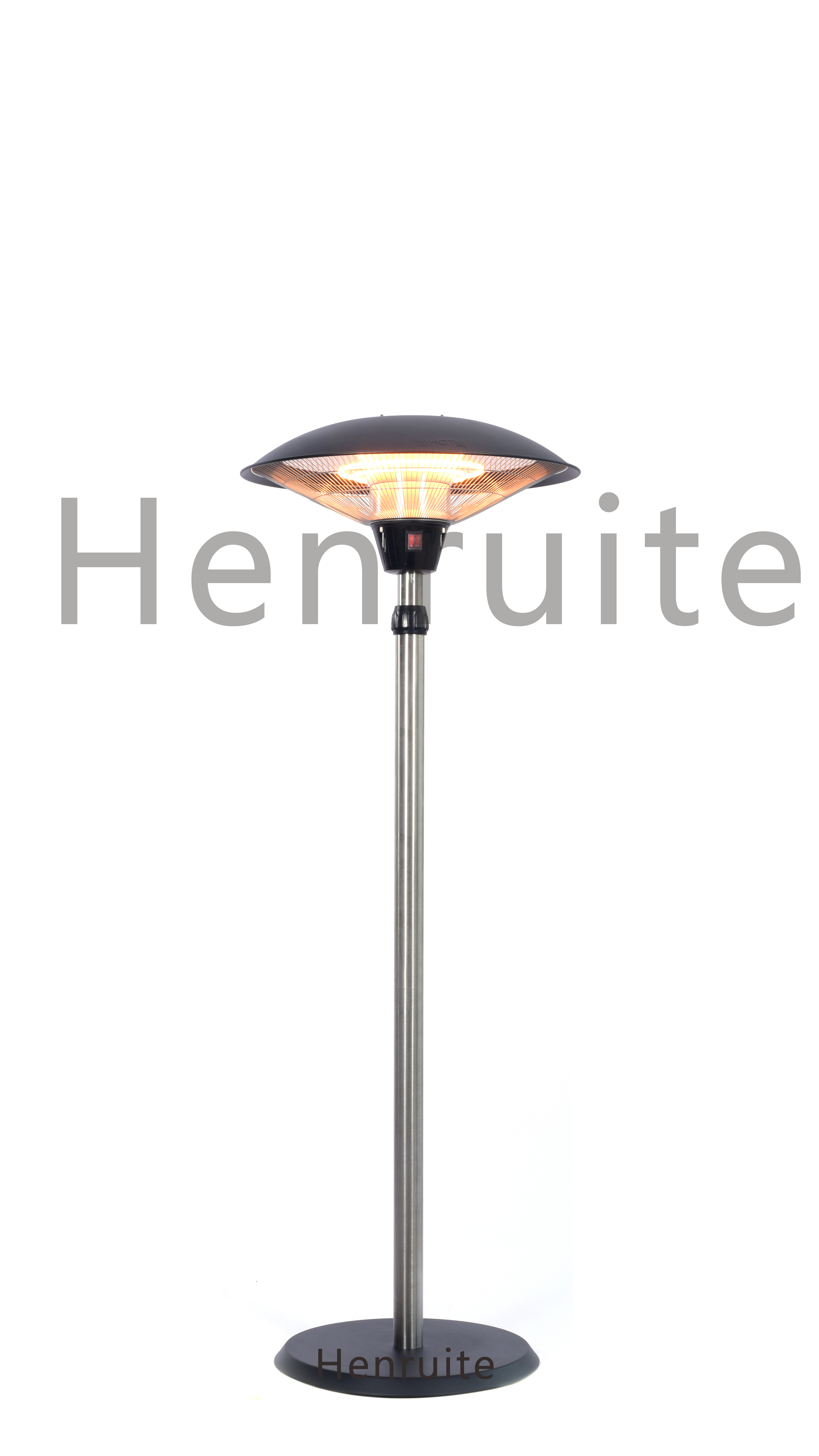
We build our gazebo heaters around infrared radiant heat, using a carbon fiber element that outputs long-wave energy. It’s directional—heat travels outward and warms people, floors, and surfaces directly, without churning air. That keeps relative humidity stable and cuts down on particle disturbance. A built-in thermostat holds the set point, so you don’t get temperature swings. For safety, the unit has tip-over protection and a sealed housing that can handle indoor spaces and covered outdoor spots.
Why this approach fits museums
Comfort and preservation have to sit at the same table. With infrared warmth, visitors feel cozy while they study a painting or sculpture, and the air around the work stays still and dry—exactly what delicate materials demand. Because the heat is localized, you can keep a gentle ambient level without overheating display cases or creating hot spots. That also keeps running costs down compared to systems that keep reheating moving air.
Practical notes you can’t skip
Infrared heaters do their best work when the beam path is clear. For a gazebo or gallery layout, aim the unit to cover seating and walkways, and keep line-of-sight open to the areas you want to warm. These are electric heaters and need a dedicated outlet on a properly rated circuit. If you’re planning to run them in a fully open outdoor area, confirm the IP rating matches the exposure to wind and moisture.