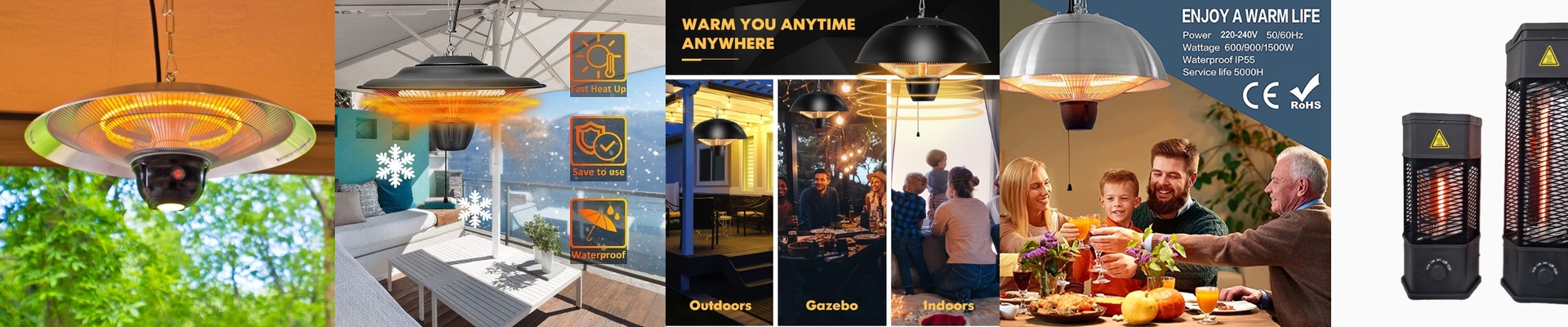
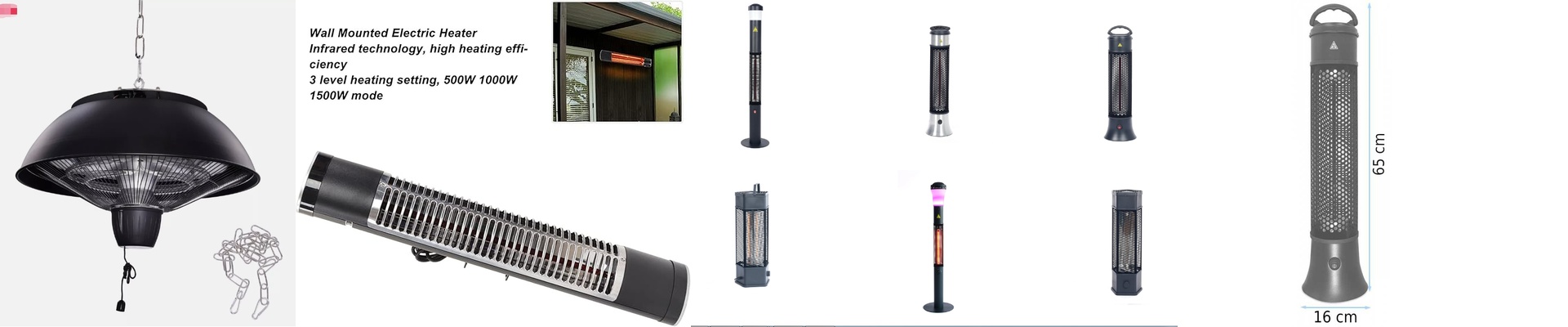
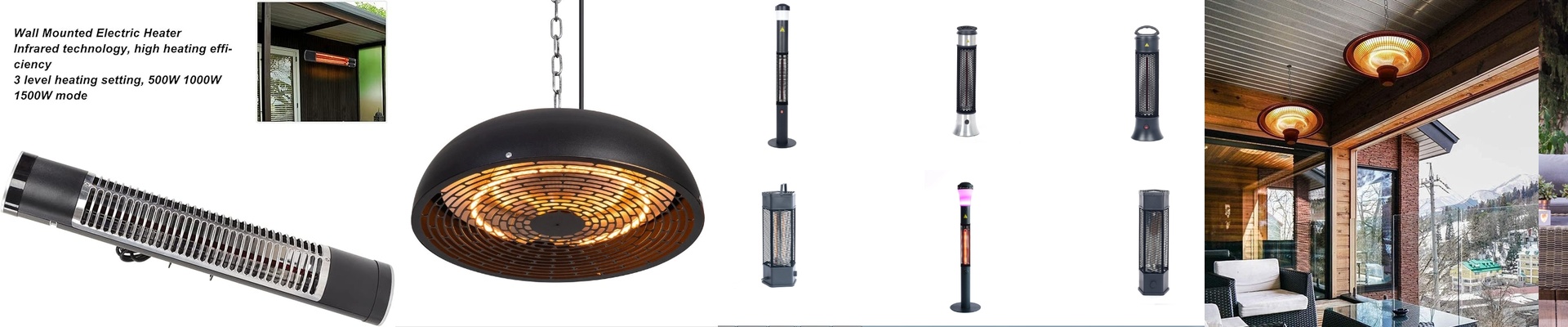
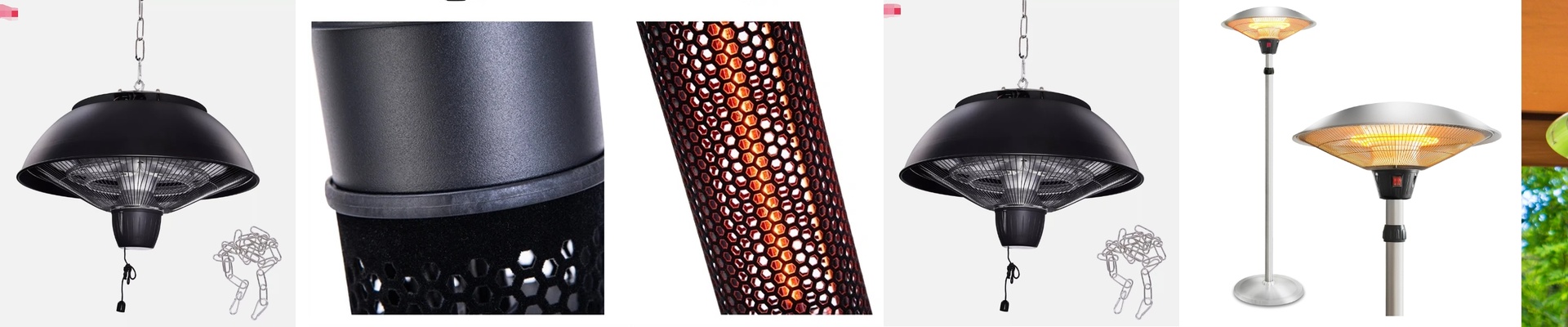
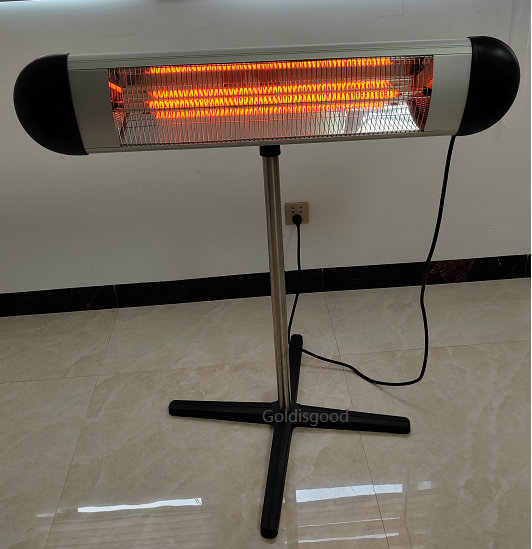
When the air gets that sharp bite and everything goes quiet, you don’t want to wait around for warmth to slowly seep in. You want heat that shows up fast, spreads evenly, and doesn’t throw energy away. That’s exactly why we build an oscillating infrared heater around high-efficiency conversion—because nearly every watt turns into usable heat.
What’s actually going on under the hood
We stick to a direct radiant approach: electricity heats an element, and that element throws infrared warmth straight onto people and surfaces. In this setup, we hit a 99.8% electric-to-heat conversion rate. The payoff is straightforward—almost all the power you put in becomes heat, not wasted air movement or extra noise. The oscillation isn’t just a gimmick; it’s distribution. A smooth sweep spreads the radiant beam over a wider angle, knocking down cold spots so more than one seat feels the heat at the same time. Inside, the emitter uses a carbon fiber element—chosen for fast heat-up, stable output, and long life. The heater comes up to full output quickly, so you feel the difference in moments, not minutes.
Where this shines in the real world
This matters most in spaces where drafts, open doors, and exposed ceilings fight your comfort—covered porches, sunrooms, garage workshops, and living areas with high ceilings. Infrared warmth targets what actually feels cold: people, furniture, floors. It warms surfaces directly, so you can sit comfortably without blasting hot air that just rises and disappears. Because the conversion is that efficient, you can run the heater when you need it without staring at the meter like it’s a space heater that only heats air. Oscillation adds another practical benefit: it keeps the warmth moving, so the whole scene—your outdoor table, the reading chair, the workbench—feels more evenly covered.
What you should know before you set it up
Placement matters. For the best feel, keep the heater at a comfortable distance and aim it across the seating area, not right at one person. This is an electric heater, so it needs a standard outlet and should be on a circuit that isn’t already loaded with high-demand appliances. There is one real-world trade-off: infrared warmth is immediate, but it doesn’t heat the air first. In very breezy spots, you may notice a small temperature difference a few feet away from the beam. That’s normal for radiant heat.Pair it with an enclosed space or wind protection, and you’ll get the even comfort the oscillation is designed to deliver.