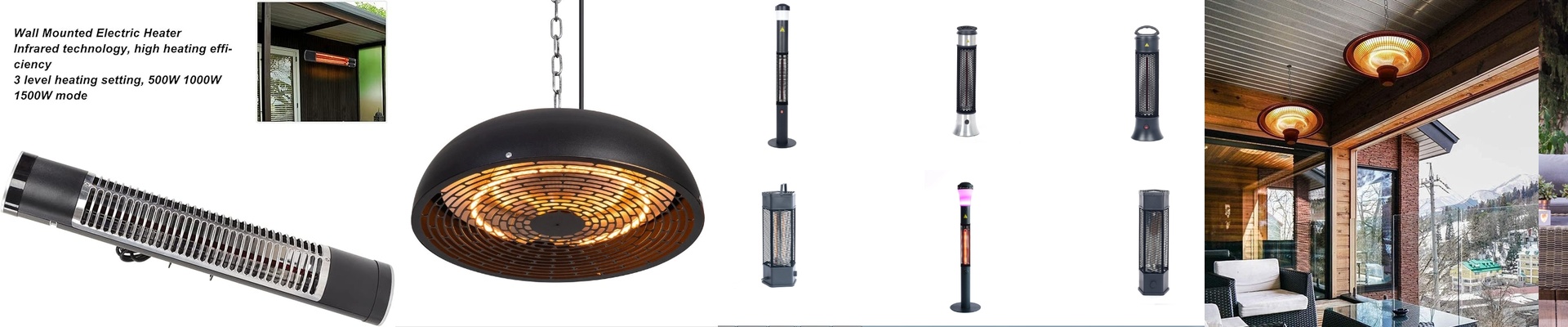
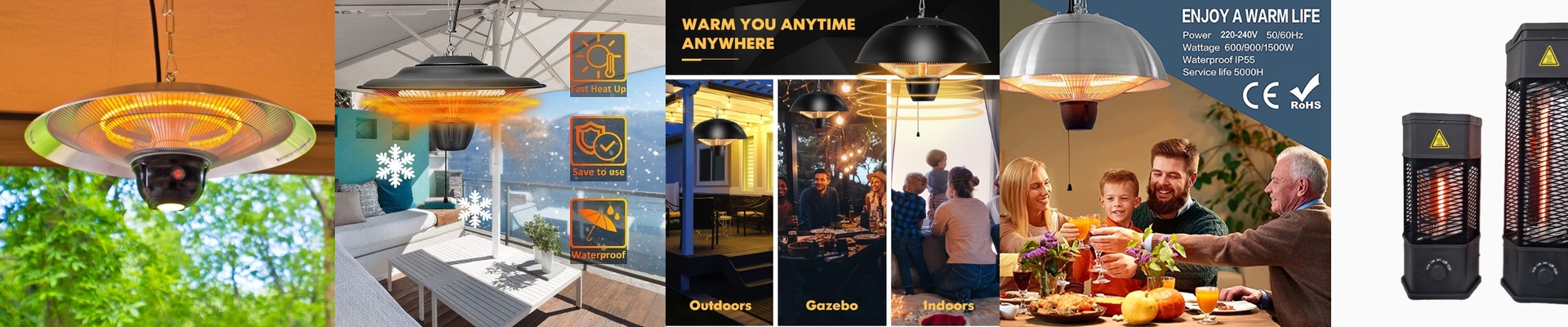
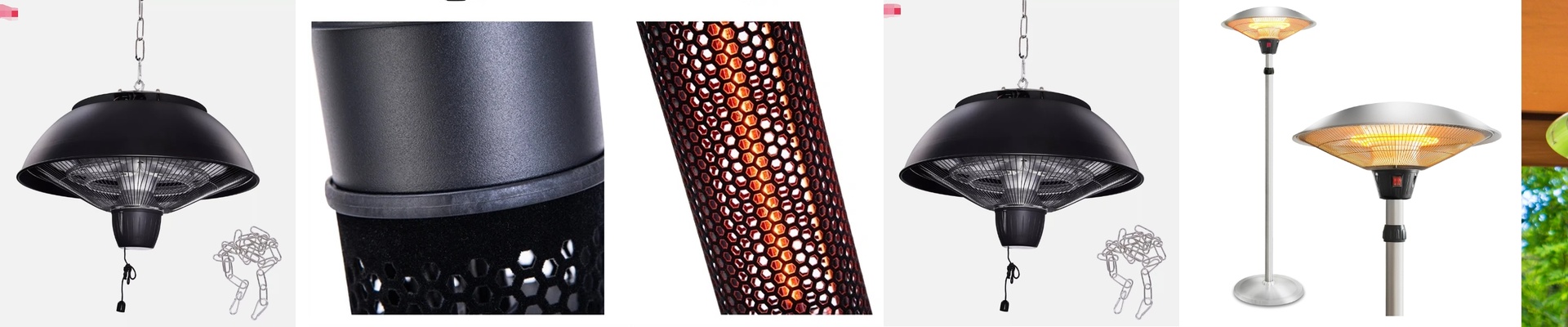

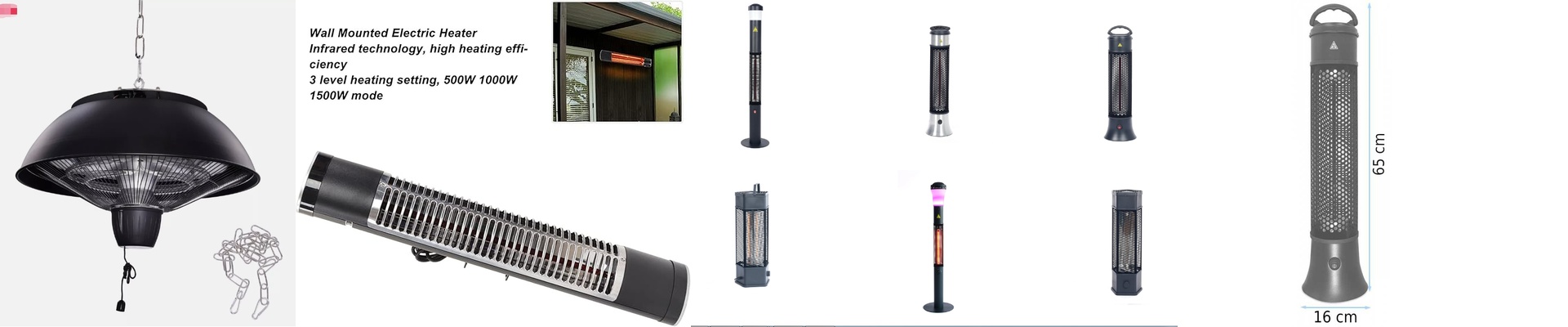
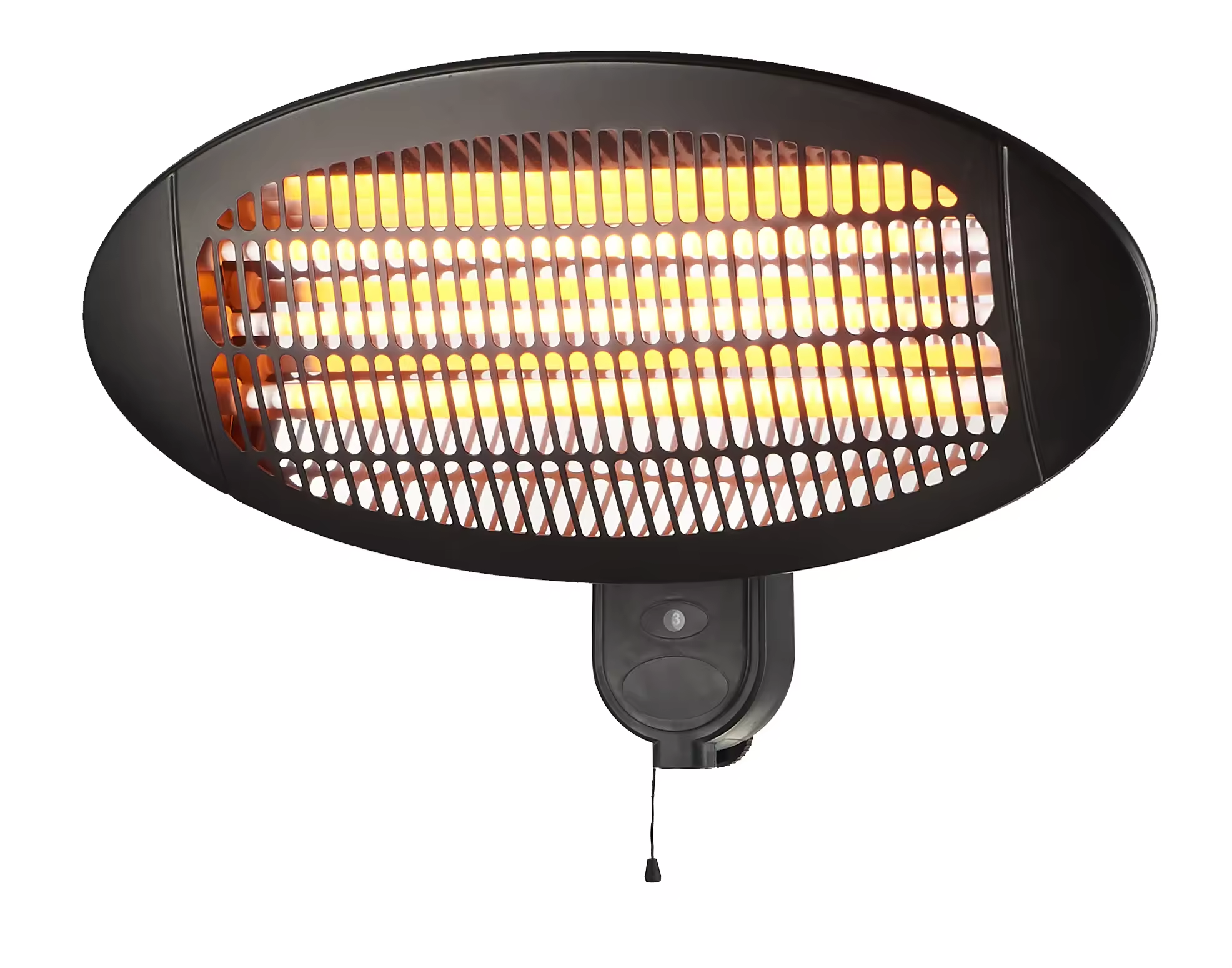
You don’t need a spreadsheet to get warmth right—just match the heater’s output to the room. Under-heated, the air feels stubborn and the unit runs endlessly. Over-heated, you waste energy chasing comfort that never settles. The sweet spot is instant, even radiant warmth that just lands and stays.
What matters, technically
When a space heater is ETL listed, it’s been run through recognized safety testing—so you can trust both performance and protection. Infrared models don’t just heat the air; they warm people and surfaces directly, using quartz tubes or a carbon fiber element. Output comes down to watts, and the right wattage depends on room size, ceiling height, and how well the space holds heat. A practical rule for many homes: about 10 watts per square foot with average insulation. Tight, well-insulated rooms can use a bit less; drafty spots, a bit more. Add a built-in thermostat and tip-over protection, and you get steady comfort with day-to-day safety.
Why this approach works
That’s the thinking behind our one-minute selection method: line up the heater’s power with the room’s orientation and insulation. South-facing rooms soak up sun and often need less supplemental heat. North-facing rooms fight wind and cold, so a higher wattage helps keep warmth consistent. When the match is right, you feel the warmth quickly, the unit stops cycling on and off, and running costs stay sensible.
What to keep in mind
Infrared warmth is directional, so place the heater where people gather and aim it toward the center of activity. Keep it away from curtains and furniture, and make sure the outlet and cord are rated for the wattage. Radiant heat feels best when the beam path is clear. High ceilings and open layouts can dull the perceived intensity in corners, even if the overall room temperature reads fine.