


On a garage workbench, the cold isn’t just uncomfortable—it stiffens fingers and makes every motion slower. When the bay doors roll up and drafts pour in from every direction, a noisy heater can be worse than no heat at all, drowning out cues and turning conversation into a shout. A truly quiet room heater changes the feel of the space.
What matters under the hood
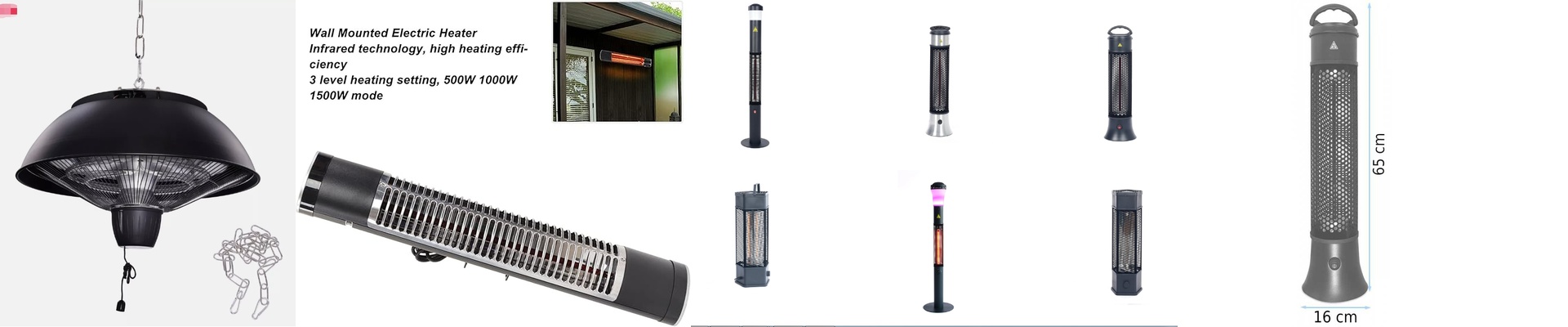
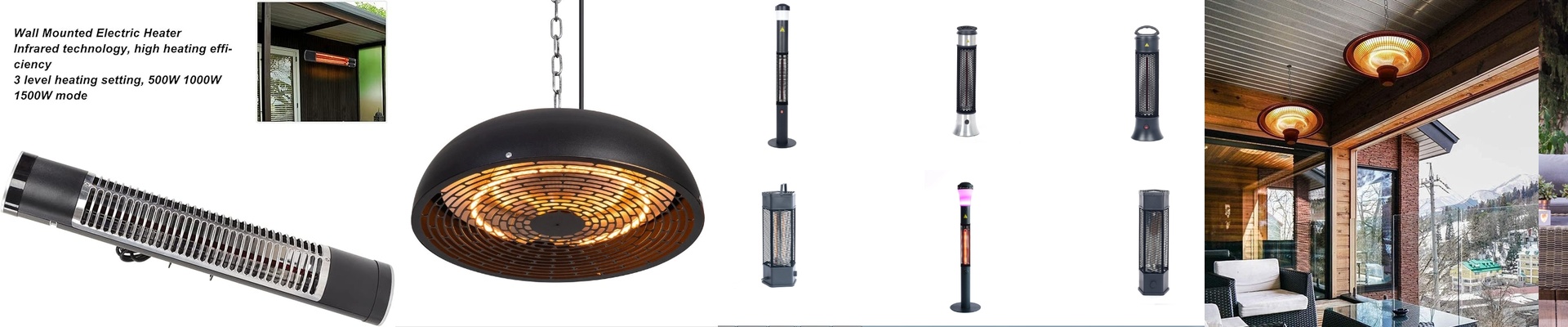
We built this infrared electric heater around a carbon fiber element and short-wave infrared warmth. It puts out 1,500–2,000 W of radiant heat that warms people and tools directly, not the air. The result is focused heat with no fan noise—just a soft glow and steady output. A 6–8 ft power cord and a standard 120 V plug make installation straightforward at the workbench. A built-in thermostat and tip-over protection keep things reliable day to day.
Why it works in a drafty garage
Forced-air heat gets wasted the moment the door swings open. Infrared warmth stays on target, warming the mechanic’s hands, wrists, and shoulders so tools feel natural and fine adjustments stay steady. Local heating lets you keep the main bay cooler while the workstation stays ready. That helps control energy use and cuts down on the jolt when you step in and out. Thawed fittings, smoother tool handling, and fewer pauses add up to faster cycles and cleaner work.
What to keep in mind
Radiant heat is most effective up close, so position the unit 3–6 ft from the work area, slightly above bench height for even coverage. Keep combustibles clear, and remember the front glass gets warm to the touch. If you want a truly silent room heater, avoid fan-based models. This design stays quiet, but it doesn’t heat the air—so in a very open space, you may notice cooler air around your legs.