Stop Your Glassware From Shattering: The Truth About Annealing
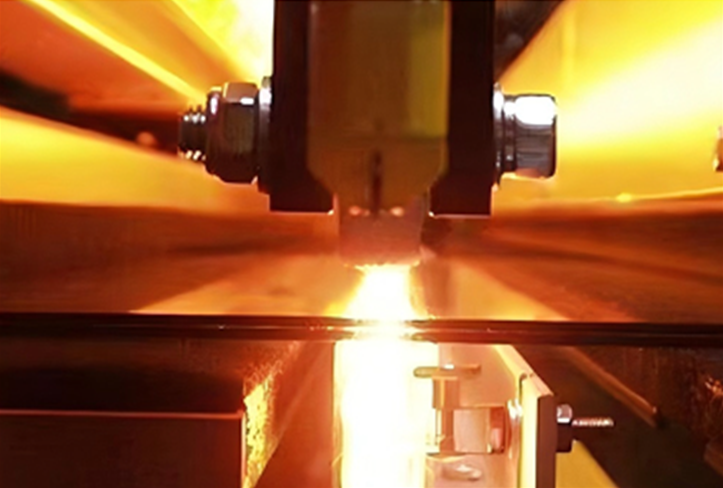
Ever had a piece of lab glass just… pop? No warning, no impact, just a sudden explosion of shards. Usually, that happens because the glass was stressed during cooling. If those internal tensions aren’t smoothed out, you’re basically holding a ticking time bomb. That’s why we use infrared (IR) heating for our nip roller preheating. We don’t mess around with air convection because it’s too slow. IR hits the glass directly. But here is the tricky part: the margin for error is tiny. If your temperature swings by even 1°C, you’re asking for trouble. One little slip and the whole piece becomes unstable.
Why we obsess over 0.1°C
Glass has this very specific “sweet spot”—the annealing point. It’s the only time the material is relaxed enough to let go of those internal stresses. If your heater fluctuates, you get these weird temperature gaps across the glass wall. We push our IR components to stay stable within 0.1°C. Why? Because we want to keep the glass locked in that relaxation window. If you don’t, that stress gets “frozen” inside the material. Then, the moment you try to machine it or put it through a sterilization cycle, it shatters. It’s a nightmare.
The gear that actually works
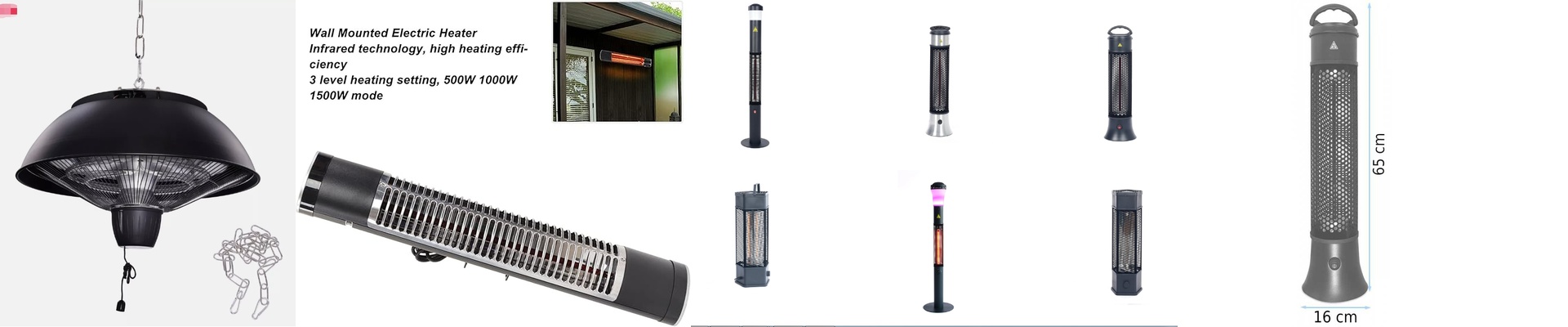
We stick with short-wave IR emitters. They’re faster. They penetrate the glass surface way quicker than long-wave options, which means the system reacts almost instantly. When the PID controller sees a 0.1°C dip, the lamp kicks in right away. But you can’t just crank the power. You have to match the energy to the thickness of the glass. If you overdo it, you get “hot spots” on the nip roller, and your preheat becomes a mess. Pro tip: use a stepped power-up sequence. Don’t just flip the switch. It protects the quartz envelope of the lamp from thermal shock.
The trade-offs (and where people mess up)
Here’s the thing: getting this kind of precision isn’t cheap. You need fast-switching SCRs. If you try to save a few bucks with a cheap relay, you’ll never hit that 0.1°C mark. The thermal lag is just too high. And keep in mind, these high-density lamps put out a ton of waste heat. If you don’t have active cooling in your housing, your electronics will start to drift as the room warms up. Keep it cool, keep it steady, and your glass stays in one piece.