Fixing Those Pesky Cold Spots in Glass Annealing
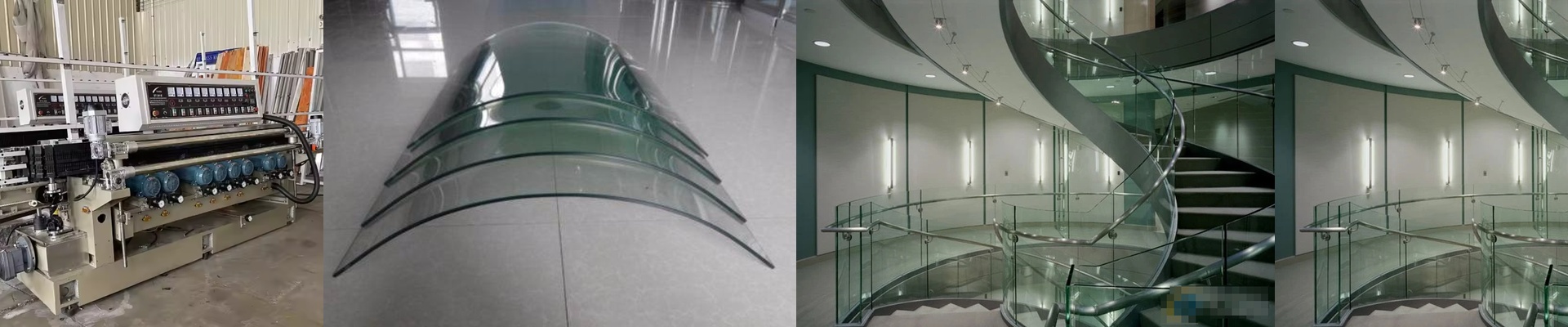
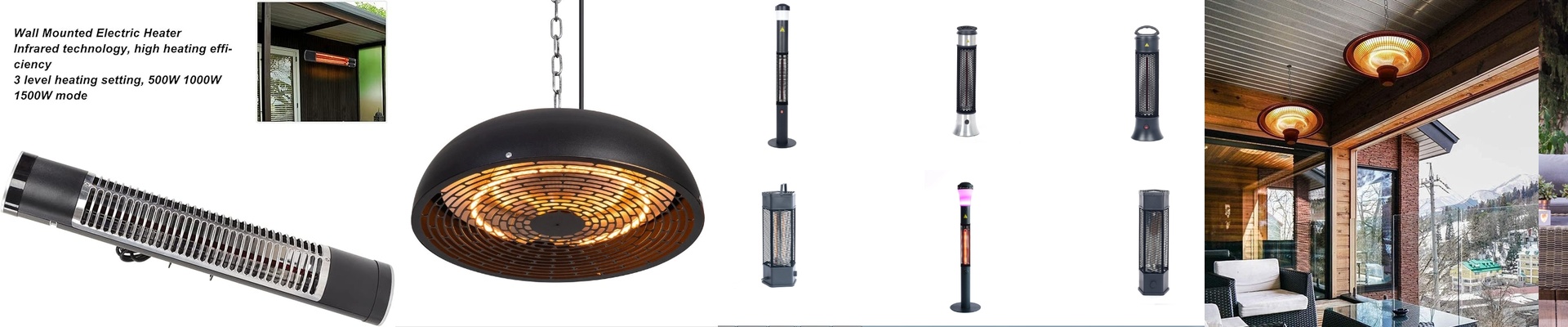
If you’ve ever worked with glassware that has a weird shape—think tight necks, handles, or those tapered bases—you know the struggle. You put them through a standard annealing lehr, but some parts just stay cold. It’s a pain. Standard convection heating relies on air, and air just doesn’t like to crawl into deep cavities or tight corners. That’s where we bring in short-wave infrared (IR) lamps to do the heavy lifting.
Getting Heat Where It Actually Needs to Go
Here’s the thing: IR radiation doesn’t care about air movement. It just beams energy straight into the glass. By setting up your IR emitters in a multi-angle array, you can basically “snipe” those dead zones that usually stay too cool. When the whole piece hits the annealing point at the same time, you don’t have to worry about internal stress or that heart-sinking moment when a piece spontaneously cracks.
Picking the Right Gear
For the high-volume lines, we usually go with quartz halogen tubes. They’re small, but they pack a massive punch of heat. You just have to make sure the lamp’s spectral output matches the glass you’re using. We stick with short-wave IR because it digs deeper into the material than the long-wave stuff. But a word of warning: if you cram a 2kW tube into a tight spot to kill a cold zone, the housing is going to feel it. It gets hot. Really hot. Make sure your cooling fans or water jackets are up to the task, or you’ll be dealing with a different kind of heat problem.
Putting It All Together
We use standard connectors, so these are pretty much drop-in replacements. The wiring is simple enough. The real trick is the controller. Halogen elements don’t linger; they hit full temperature almost instantly. That’s a huge advantage. Instead of wasting energy heating the whole kiln, you can pulse the heat exactly when the vessel is passing by. It’s efficient, it’s fast, and it keeps your glass from breaking.