Fixing Cold Spots in Complex Glassware
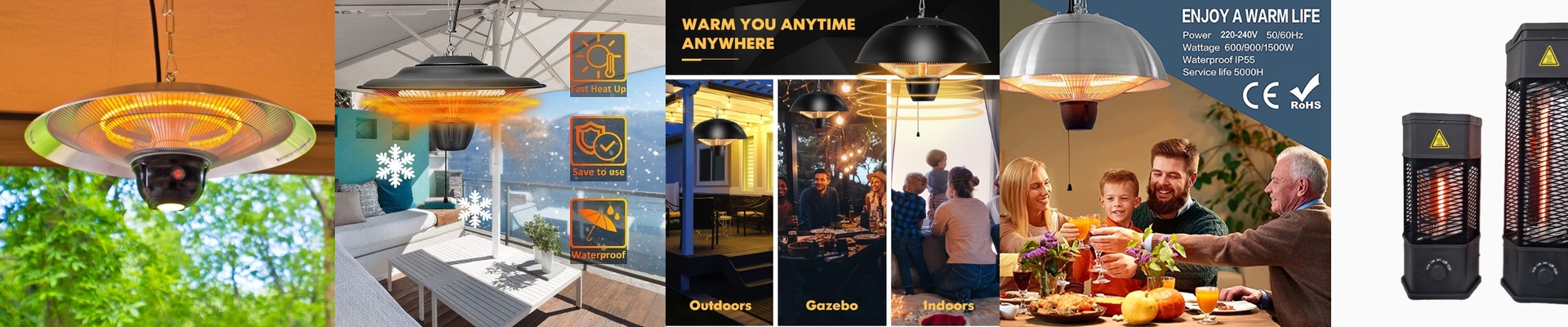
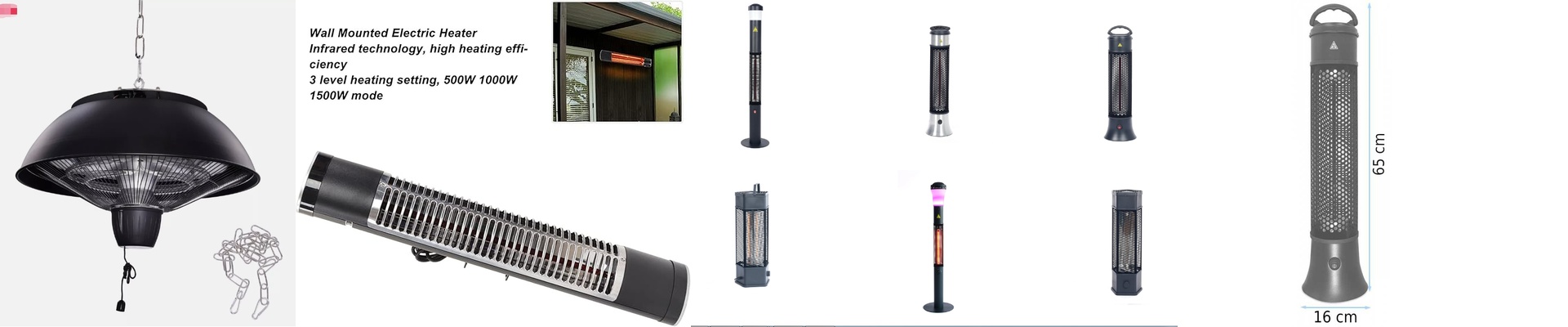
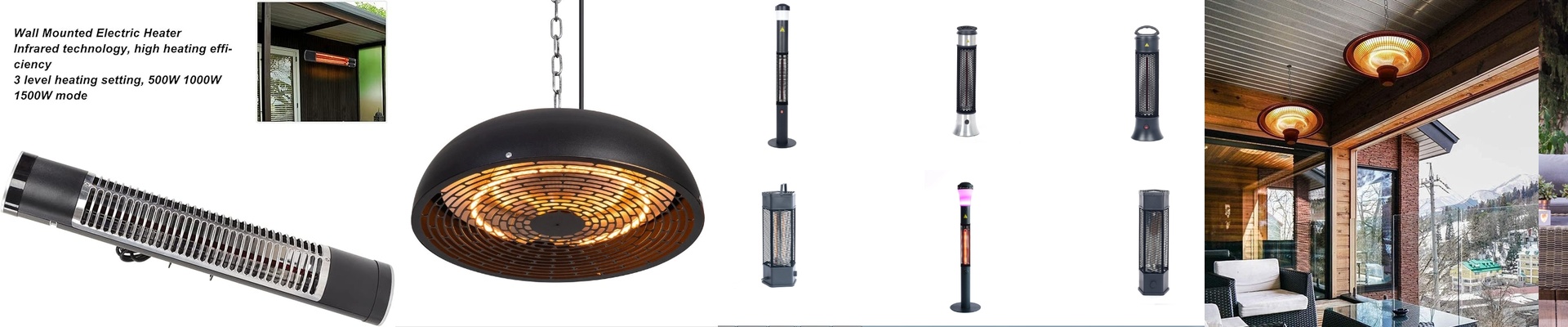
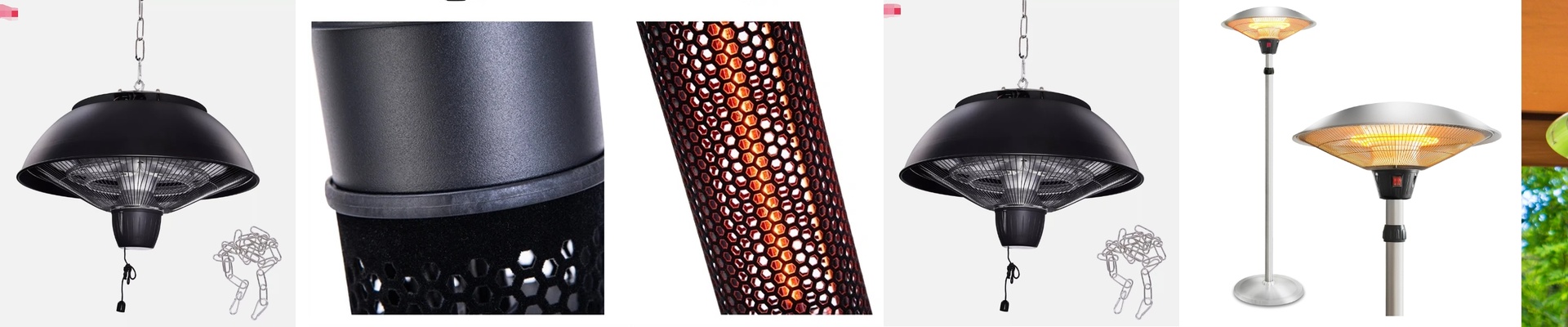
If you’ve ever used a standard convection oven for annealing, you know the headache. You pull a piece out, and there it is—a “cold spot.” It usually happens because the shape of the glass blocks the airflow, leaving some areas chilled while others are roasting. That uneven cooling creates internal stress, and we all know how that ends. Usually with a loud pop and a lot of wasted material. Here is how we handle it: we stop relying on hot air and switch to short-wave infrared (IR) heating arrays. Getting the heat where it actually needs to go The beauty of short-wave IR is that it doesn’t care about the air. It goes straight for the glass molecules. When you’re dealing with narrow necks or deep pockets that air just can’t reach, you can’t just blast heat from one side. We set up the IR lamps in a multi-angle array. It basically wraps the heat around the object from every direction. No more hiding spots. The gear you actually need To get the kind of heat density that works, high-wattage quartz halogen lamps are the way to go. If you’re running a fast line, you need lamps that hit annealing temps in seconds. Minutes are too slow. I always suggest reinforced quartz envelopes. Why? Because standard tubes tend to bow when they get screaming hot, and that ruins your consistency. One warning: these things pull a lot of power. If you’re putting in a 2kW array, make sure your electrical panels can handle the surge. Also, stick with R7s or SK15 connectors. They make it easy to just pop a new tube in when one inevitably burns out. You don’t want your entire production line dead for half a day just because a connector melted. The balancing act Now, there’s a catch. High-intensity lamps are powerful—maybe too powerful. If your glassware sits still for too long, you’ll end up with localized overheating. You have to sync your lamp intensity with your conveyor speed. If the belt slows down, you need a PID controller to dim the lights instantly. Otherwise, you’re just trading one kind of thermal stress for another. It takes a bit of tweaking, but it’s the only way to keep the temperature difference across the vessel under 5°C. That’s where the real quality happens.