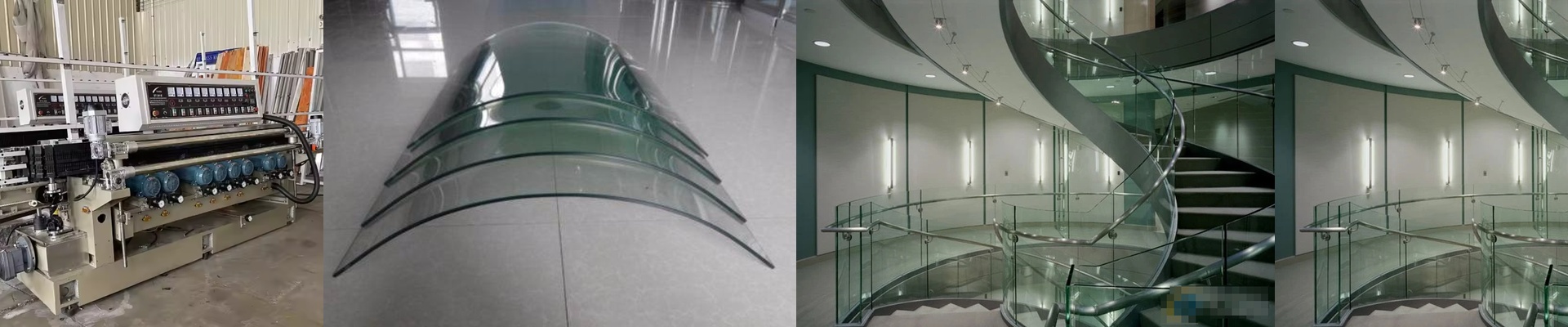

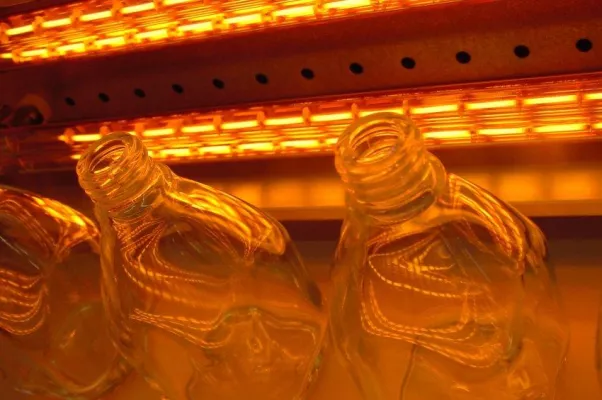
Cutting through ultra-thick glass is brutal on your equipment. If you’ve ever tried to score cold, thick plates, you know the feeling. The cutting wheel just takes a beating, chipping away almost instantly. It’s a constant cycle of replacing wheels and losing time. We found a better way. Instead of fighting the glass, we use shortwave infrared (IR) lamps to soften it up right along the cutting path before the wheel even touches the surface. Why shortwave IR? Most heat lamps just sit on the surface. They don’t actually get into the glass. But shortwave IR is different; it digs deeper into the material. By warming up that specific line, we kill the brittleness and drop the surface tension. The result? The wheel just glides. It doesn’t feel like you’re fighting the glass anymore. The tricky part: Distance This is where things usually go sideways. If you mount the lamp too close, you’ll overheat the spot and the glass will just crack from thermal shock. But if you push it too far back, you lose that deep heat you need. We spend a lot of time calibrating the distance based on the wattage and how thick the glass is. You want a steady, uniform soak—not a blowtorch effect. Saving your tools When you aren’t fighting the full strength of cold glass, your consumables last way longer. Simple as that. Fewer tool changes mean you spend more time actually producing and less time messing with hardware. Just a heads-up: these lamps put out a massive amount of heat. Don’t skimp on your cooling fans or heat shields. If you leave your frame exposed, that radiant heat will warp your rails or fry your sensors before you even notice. You’ve got to find that sweet spot between deep penetration and keeping your machine from melting.