Getting the Heat Right for Mobile Glass Repair
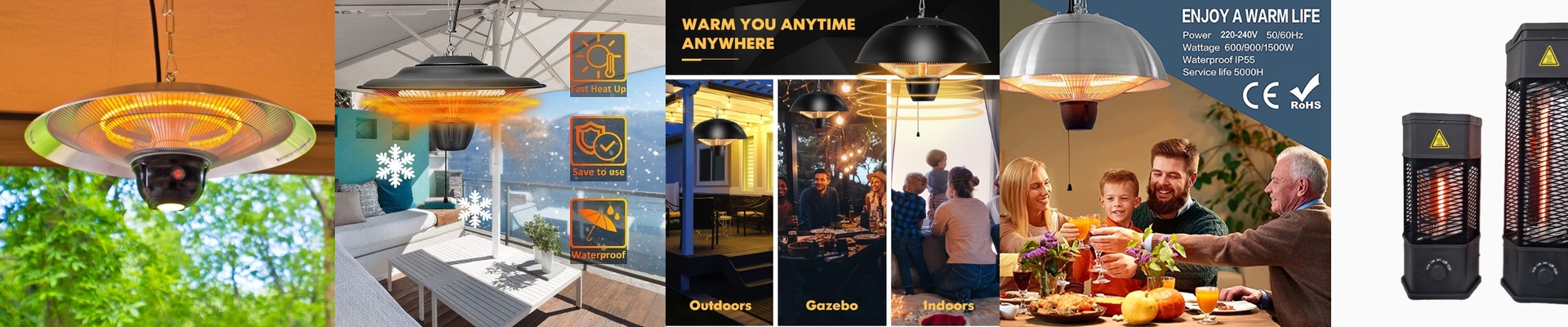
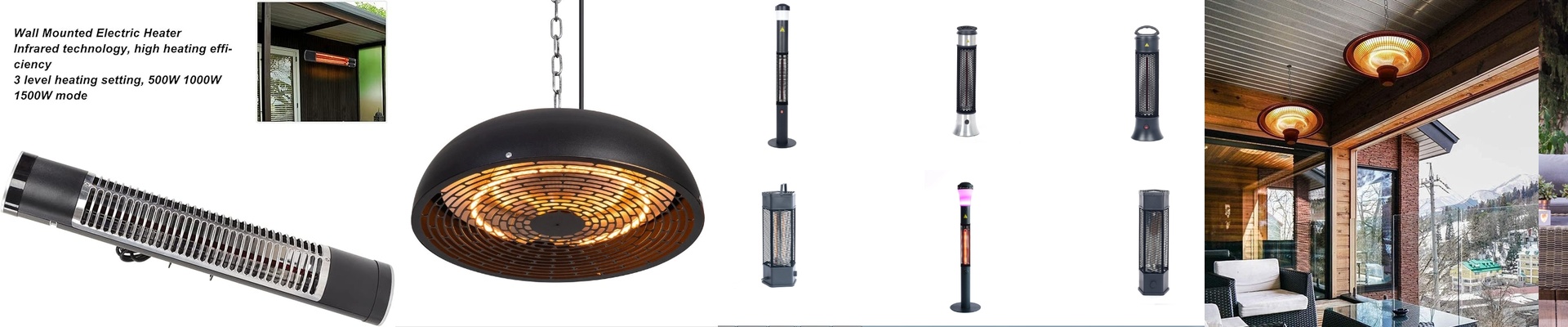
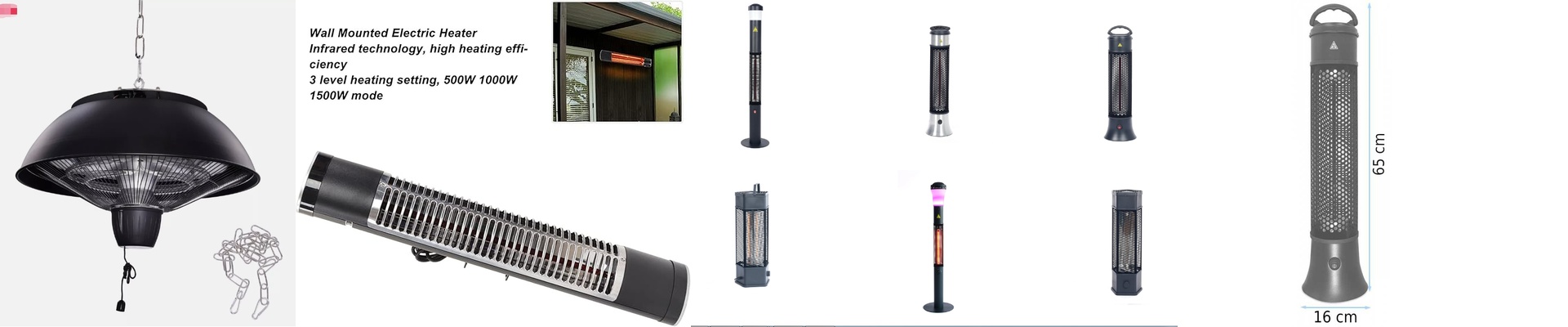
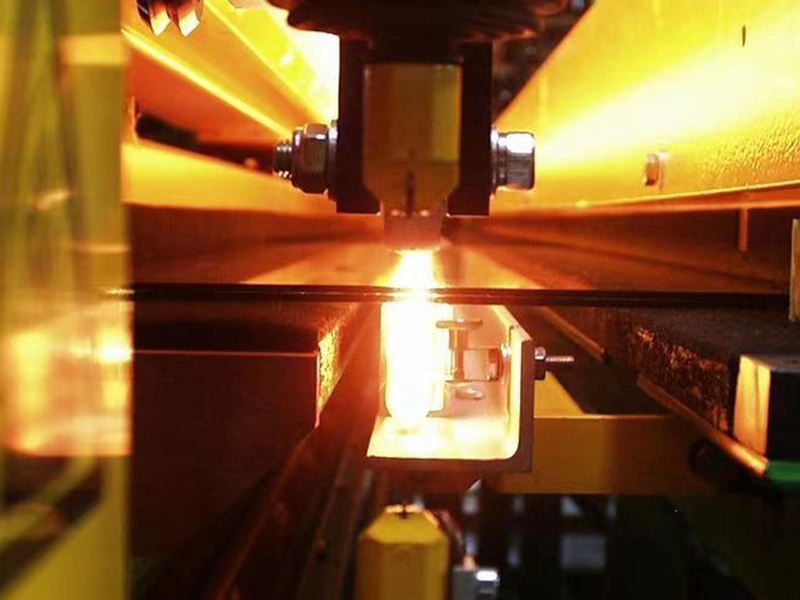
When you’re trying to fit high-performance infrared lamps into a mobile glass repair bracket, you’re basically fighting a war between heat, space, and power. You don’t have a giant industrial power grid to lean on out in the field. You’ve just got what’s in your kit. That’s why we stick with short-wave IR. It lets us hit those surface temperatures for annealing fast, without needing a massive oven that would be impossible to lug around.
The Space Problem
Here’s the thing: space is your biggest enemy in a mobile bracket. You only have a few centimeters to work with, but you still need enough heat flux to actually get the job done. Our fix? High-wattage density quartz lamps. We keep the lamps short but crank up the wattage per centimeter. It concentrates the energy right where it needs to be. This keeps the whole setup portable, but it still hits the glass transition temperature quickly. But you have to be careful with the voltage. Since these are mobile units, we tune the lamps to play nice with portable power supplies. If the voltage dips too low, you’ll never get it hot enough. Go too high? You’ll fry the filament before you even finish the job.
Materials and the “Heat Soak” Headache
We use halogen-filled quartz tubes because they keep the output steady. In a tiny setup like this, short-wave IR is really the only way to get the heat to penetrate the glass effectively. But there’s a catch. These high-density lamps getinsanely hot. I’m not just talking about the glass—the ends of the lamps and the connectors get scorched too. To stop the bracket frame from warping into a pretzel, we use reinforced ceramic holders. And a word of advice: don’t skimp on the cooling fans. If you aren’t moving enough air around the housing, that heat will creep backward and cook your control electronics.
Out in the Field
We built these to be “drop-in” replacements for repair jigs. We used standardized connectors, so if a tube burns out, you can swap it in a couple of minutes and get back to work. The best part is getting rid of those annoying “cold spots.” Because of how these are configured, you can position the heat source exactly where the fracture is. It’s precise, it’s fast, and it just works.