
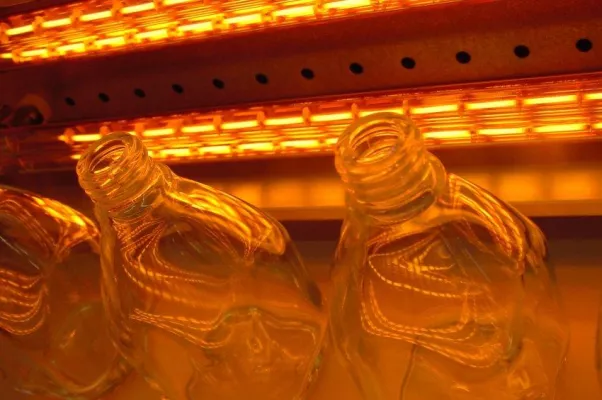
Stop Guessing With Your Annealing Lamps
Ordering a replacement lamp just because the part number matches? That’s a gamble you don’t want to take. In the world of lab glass, annealing is everything. It’s that delicate dance of moving glass from a molten state to a stable solid. If your heat is off by even a few degrees, you’re looking at internal stress and cracks. It’s frustrating. It’s wasteful. That’s why we don’t just toss tubes in a box and ship them. We look at the whole picture—your entire thermal footprint. The Voltage Trap Most of these lamps use high-wattage quartz elements. When we’re picking a lamp for you, we look at the relationship between voltage and length. Here’s the thing: higher voltage lets us use a thinner filament. That bumps up the surface temperature and gets you to your target heat way faster. But there’s a catch. It puts a lot more stress on the filament. If you’re running a 230V system but try to force the heat density of a 400V lamp, you’re asking for trouble. You’ll either burn out the element instantly or trip your breakers. Not a great way to start a Tuesday. It’s All in the Fit We stick with high-purity quartz because it can handle the constant heating and cooling without breaking down. But the connector—whether it’s an R7s or an SK15—is where a lot of people overlook the details. It’s not just about whether the bulb fits in the hole. It’s about contact resistance. A loose socket creates a hot spot. Then that heat crawls back into your wiring and starts melting the insulation. We make sure the fit is tight. No gaps, no voltage drops, no melted wires. The Balancing Act You might be tempted to push your lamp for maximum infrared output to speed up production. I get it. Speed is great. But pushing the wattage makes the tungsten filament evaporate faster. You get a blast of heat now, but your lamp dies way sooner. We help you find that sweet spot—where you hit your annealing curve perfectly without having to buy new lamps every couple of months. And a quick tip: check your cooling fans. If they aren’t built to handle the heat these lamps dump into the chamber, your electronics are going to fry. Simple as that.