
The Struggle with Long-Scale Glass Tempering (And How We Fix It)
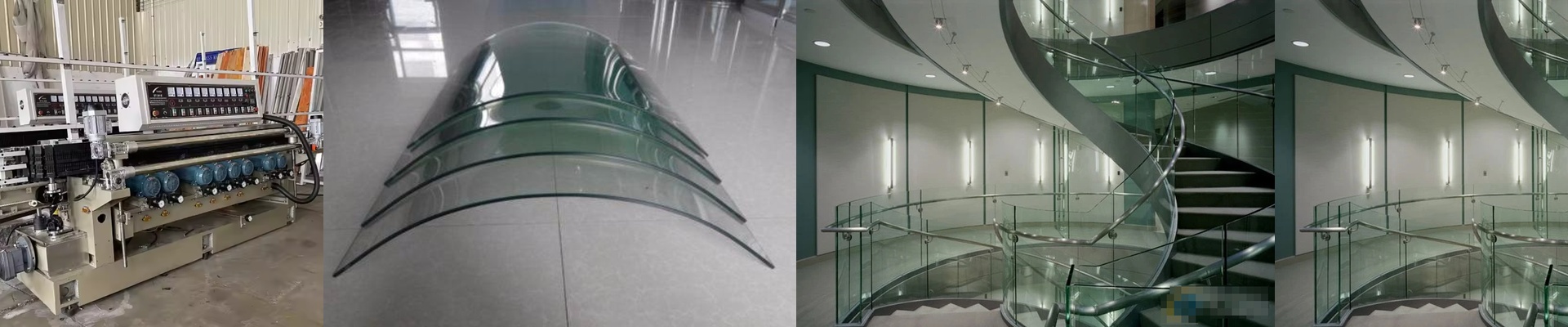
If you’ve ever worked with tempered glass sheets over 2 meters, you know the headache of “cold spots.” You use standard lamps, but because they come in set sizes, you end up with these annoying gaps at the joints. In a tunnel kiln, those little gaps are a disaster. They ruin the thermal uniformity, and suddenly your glass isn’t heating evenly. That’s why we stopped messing around with modular setups and started building continuous infrared heating units that actually match the length of your glass. The voltage trap Here is the thing: you can’t just stretch a quartz tube to 2 meters and call it a day. If you do, the voltage drops. You’ll notice the ends are screaming hot, but the middle is lagging. That’s how you get warped glass or a failed tempering test. To stop that from happening, we tweak the voltage ratings and use segmented internal wiring. It keeps the wattage steady from one end to the other. Just a heads-up—make sure your power supply can actually handle the load of these long arrays, or you’ll be tripping breakers all morning. Built to last (and not sag) When quartz gets that hot and that long, it wants to bend. It’s just physics. We use heavy-wall quartz to keep the tubes straight and sturdy. We also design them to sit completely flush against each other in the kiln ceiling. No gaps, no wasted space. Just a wall of infrared heat hitting the glass. Plus, we added reinforced end-caps. Every time the kiln heats up and cools down, the metal and glass move. Those caps soak up that stress so the tubes don’t crack. A few things to watch out for On the bright side, swapping several small lamps for one long unit makes your wiring a lot cleaner. It’s way simpler. But—and this is a big but—these things are fragile. When you’re installing a 2-meter tube, one wrong move or a bump against the kiln frame and snap. It’s heartbreaking. Also, keep an eye on your airflow. These long arrays put out a massive amount of heat. If your exhaust system isn’t strong enough to pull that ambient air out, you’re going to fry your control electronics. Make sure your fans are up to the task before you flip the switch.