Making Smart Infrared Heaters Actually Work
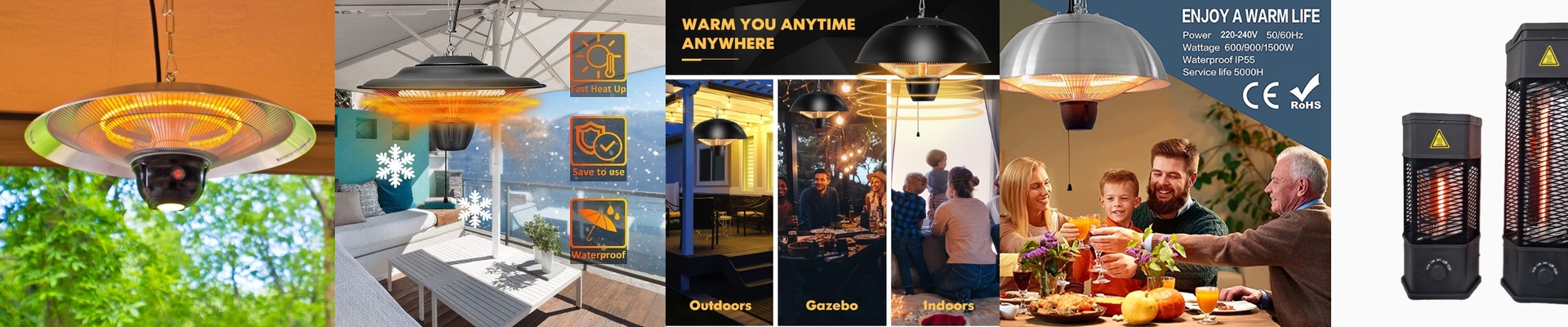
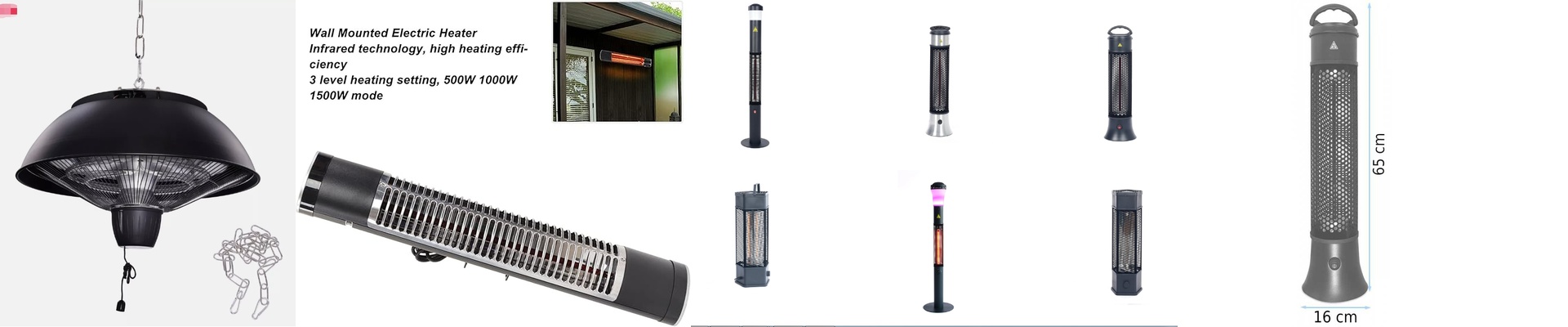
If you’ve ever tried to connect a heavy-duty infrared heater to a smart home setup, you know the struggle. It’s usually not an app problem—it’s a hardware problem. To get that feeling of “instant spring” the second you walk into a room, we use short-wave infrared elements. We wrap them in IP65-rated enclosures, which is just a fancy way of saying they’re sealed tight. Dust can’t get in, and water can’t ruin the electronics. That’s why you can put these on a damp patio or in a steamy bathroom without worrying about a short circuit. The secret to the speed The magic here is low thermal mass. Think about those old oil-filled radiators; you turn them on and then wait twenty minutes for the room to actually feel warm. These infrared elements are different. They hit peak temperature in seconds. We wire them up using heavy-duty relays or TRIAC dimmers. The moment your smart hub sends the signal, the relay clicks shut, and you feel the heat almost immediately. It’s satisfying. Don’t melt your smart plug Here is where people usually mess up: you cannot just plug a professional heater into a cheap smart plug. Most of those little plugs cap out at 10A or 15A, but a high-end infrared element pulls way more power than that. To keep things from melting, we use the smart controller as a low-voltage “trigger” for a high-current contactor. It basically separates the “brain” (your smart home signal) from the “muscle” (the actual power hitting the heater). The “Short-Cycling” Trap Since these elements react so fast, they don’t hold onto heat. This creates a bit of a headache with sensors. If you put your temperature sensor too close to the heater, you’ll run into “short-cycling.” The heater kicks on, hits the target temp in ten seconds, shuts off, and then repeats the whole thing over and over. It’s annoying, and it’ll burn out your relays way faster than they should. To fix this, you either need to be smart about where you hide the sensor or use a PID loop in your software to smooth out the power. It makes the heat feel steady rather than a series of aggressive bursts.