


Stop Wasting Heat: A Better Way to Handle Glass Annealing
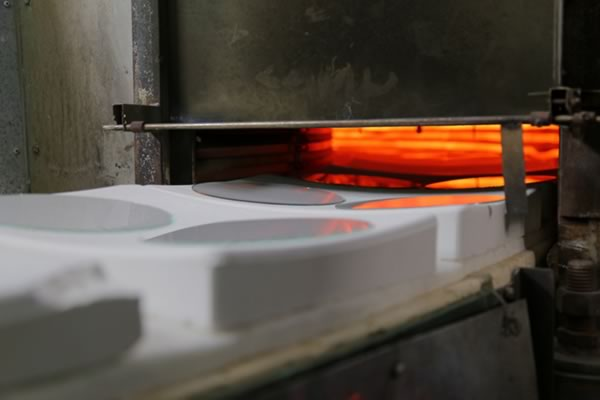
If you’ve spent any time on a glass production floor, you know the headache of thermal stress cutting. You need that temperature gradient to be just right, or you’re not getting a clean break—you’re getting a shattered sheet and a mess to clean up. A lot of shops are still using old-school heating elements. The problem? They just bleed heat into the air. You’re basically paying to heat the entire room instead of the glass. That’s why we use shortwave infrared (IR) lamps. Instead of warming up the air, these lamps hit the glass surface directly. It’s a much smarter way to work. How it actually works Think of it like this: instead of putting a whole room in a sauna to warm up one person, you’re just using a heat lamp. The IR radiation goes straight into the glass substrate. You aren’t waiting for a massive chamber to reach a certain temperature; you’re heating the material itself. Because you’re focusing all that energy right on the cutting line, your warm-up times drop and your electric bill looks a lot healthier. The gear We build these things to take a beating. Production floors are rough, and your equipment needs to be tougher. Most of our lamps are designed to just slide right into your existing setup. We use high-purity quartz envelopes because they don’t warp when things get hot. Now, we’ll help you pick the right wattage based on how fast your line moves. Higher wattage means you ramp up faster, but it puts more stress on your power supply. Just a heads-up: make sure your wiring and breakers can handle that initial peak current, or you’ll be spending your morning resetting the power. The catch Here’s the thing: IR heating saves you a ton of money on electricity, but it requires a bit more attention to detail. IR is directional. If your lamp is off by a few millimeters, your heating will be uneven, and your breaks will be inconsistent. It’s frustrating, but it’s an easy fix. You just have to be precise when calibrating the focal point during installation. Once you’ve got them locked in? You’ll feel the difference in your workflow—and see it in your overhead costs—immediately.