Getting Low-E Glass Right: The Struggle with Ultra-Wide Heating
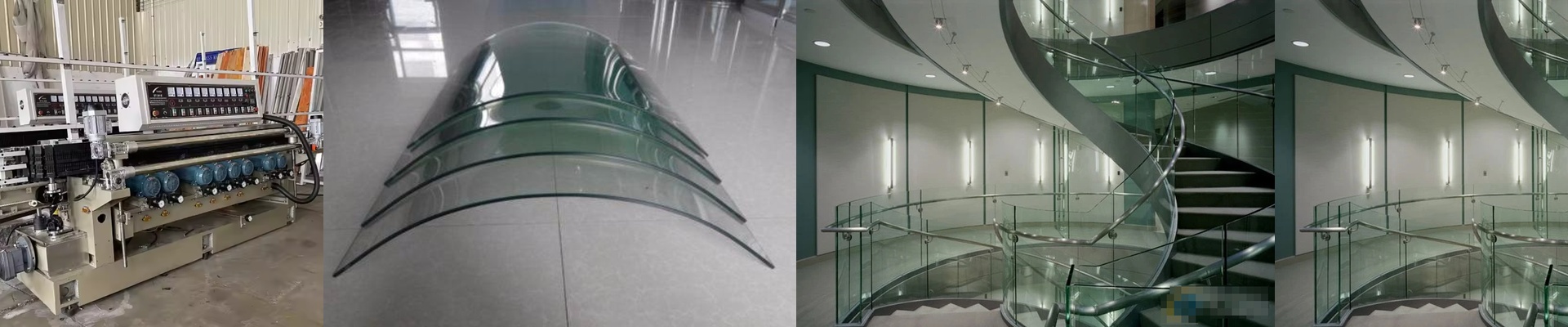
If you’ve ever tried to preheat wide-format Low-E glass, you know the headache. You need the heat to be perfectly even across the whole sheet. If one spot is cooler than the rest, you get optical distortion or stress that just won’t budge. Once you move past the 3-meter mark, the standard IR lamps you buy off the shelf just stop working. They aren’t built for that scale. That’s where we come in. We build custom, continuous infrared units specifically to fill those gaps. The problem with “just making it longer” You can’t just stretch a single filament to hit 3 meters. If you do, you’ll deal with massive voltage drops and annoying cold spots. Instead, we build modular, interconnected arrays. We spend a lot of time crunching the numbers on wattage per linear centimeter. Why? Because we want the heat density to be flat from one edge to the other. No “zebra stripes,” no weird temperature swings—just a consistent soak across the entire piece of glass. The nuts and bolts We house tungsten filaments in high-purity quartz glass. Depending on how fast your conveyor is moving, we’ll usually go with short-wave or medium-wave emitters. These things live in industrial heating tunnels, and those environments are brutal. To make sure they don’t just burn out, we use reinforced end-caps and heavy-duty wiring that can actually handle the high current draw these long units require. The tricky part: Integration Wiring up a 3-meter array is a completely different beast than plugging in a small spot heater. You have to balance the electrical load across several phases, or you’ll be tripping breakers all day. And here’s something people often forget: these units put out a massive amount of energy. Your tunnel’s chassis is going to soak up a lot of that heat. If you don’t get your cooling fans and exhaust systems dialed in, you risk warping the support frames. It’s a lot of power, and you have to manage it. Whether you’re replacing a wide-format system that’s finally given up or building a new oversized Low-E line from scratch, it all comes down to the wattage-to-length ratio. We make sure the glass hits that target temperature before it ever leaves the preheat zone.