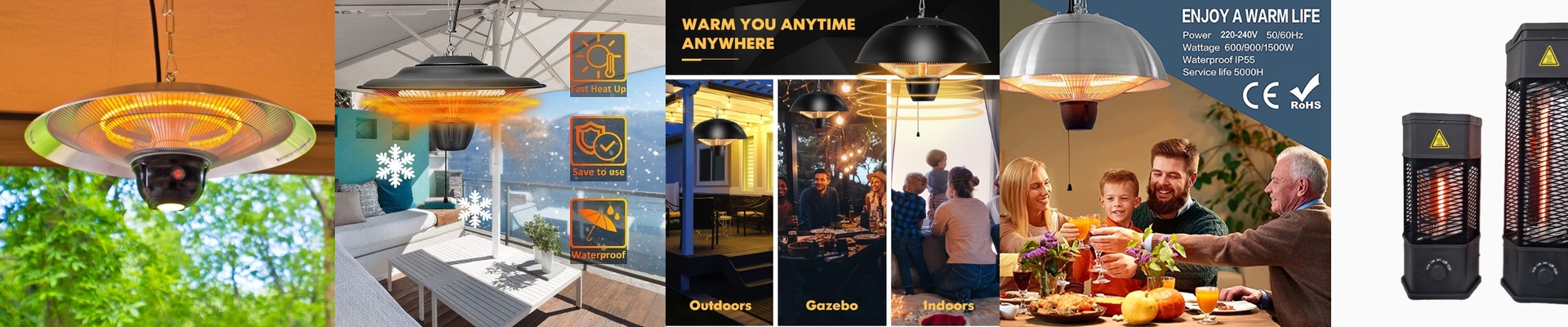
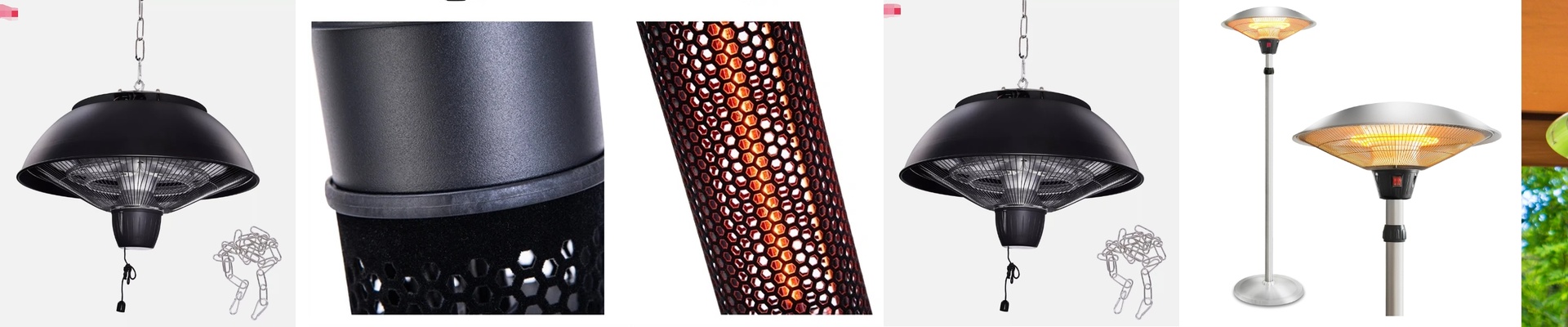


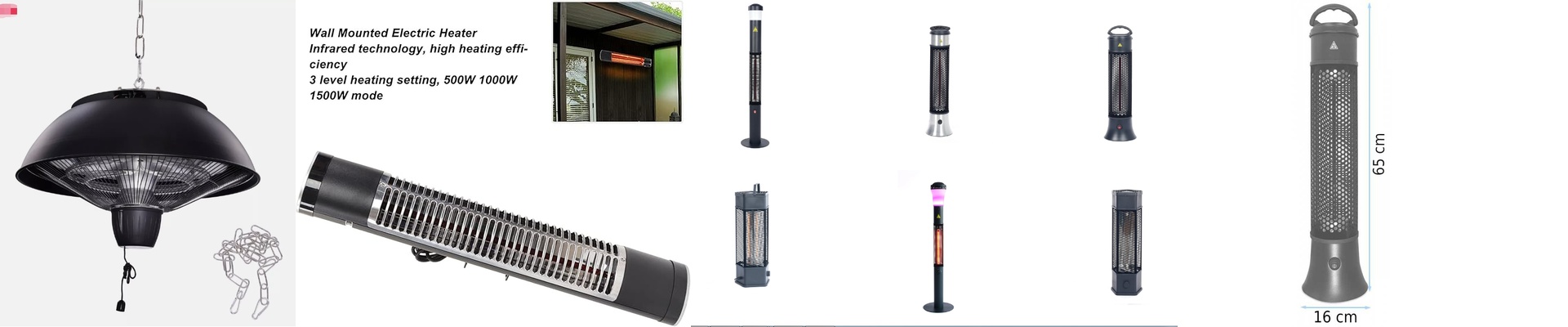
Stop Your Infrared Heaters from Dying at the Plug
Here is the truth about standard infrared heaters: they almost always fail at the connection point. When you’re trying to hit an IP55 rating, the outer shell isn’t the real headache. It’s the lead-wire entry. The heat from these units just eats through cheap sealants. Once that happens, moisture creeps in, and before you know it, you’ve got a short circuit on your hands.
The problem with “standard” seals
Most heaters on the market rely on basic rubber grommets or some cheap silicone. They work… for a while. But constant heating and cooling makes those materials brittle. They crack. Once that seal loses its stretch, humidity finds a way into the junction box. If you’re using a waterproof table heater, that’s a recipe for disaster—it creates a direct path for electricity to jump from the live wire to the chassis. We do things differently. We use OEM-grade compounds that actually stick, even when the heater is cranking out max wattage. It keeps the wire insulation from frying right where it’s pinched.
It’s more than just glue
We don’t just slap some adhesive on the wires and call it a day. We use a multi-stage potting process. We strip the leads to a very specific length, tuck them into a reinforced sleeve, and then inject a resin that can handle the heat. It creates a mechanical lock. This means the wires won’t just yank out during installation. If that seal isn’t 100% airtight, moisture gets sucked right into the heating element through capillary action. That’s how you end up with a burnout way sooner than you should.
A few things to watch out for
Waterproofing comes with a trade-off: it adds some bulk. You can’t just jam these into a tight housing without checking your space first. Also, that resin makes the wires pretty stiff near the entry point. Give yourself some slack. Make sure your wiring loom has plenty of room to breathe so there’s no tension on the seal. If you bend the wire too sharply right at the entry, you might crack the resin. And if that happens? Your IP rating goes right out the window.