How waterproof Infrared Heaters Keep Nightclub Patios Toasty, Night After Night
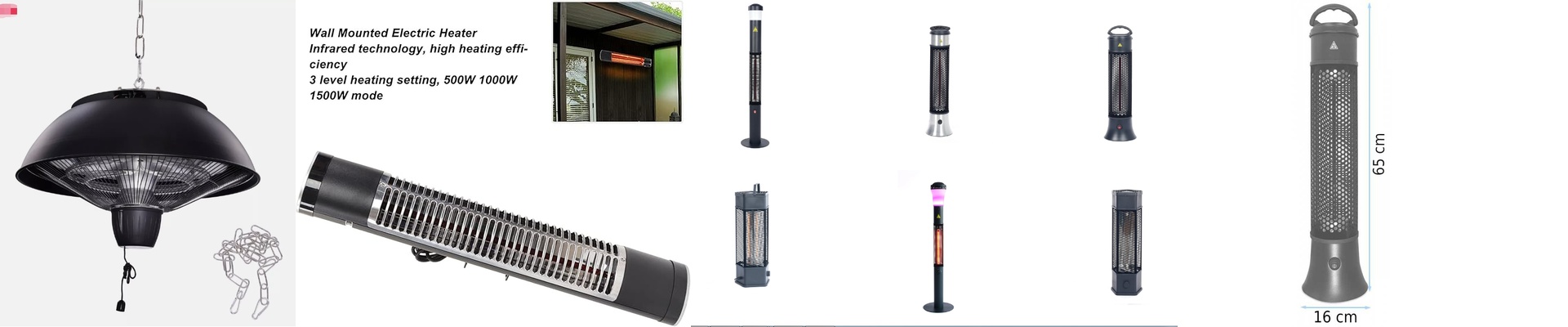
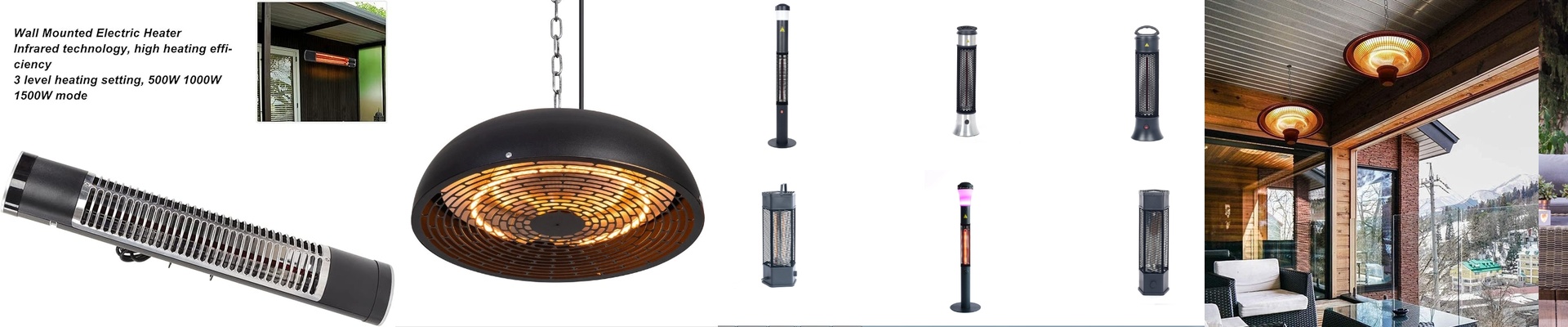
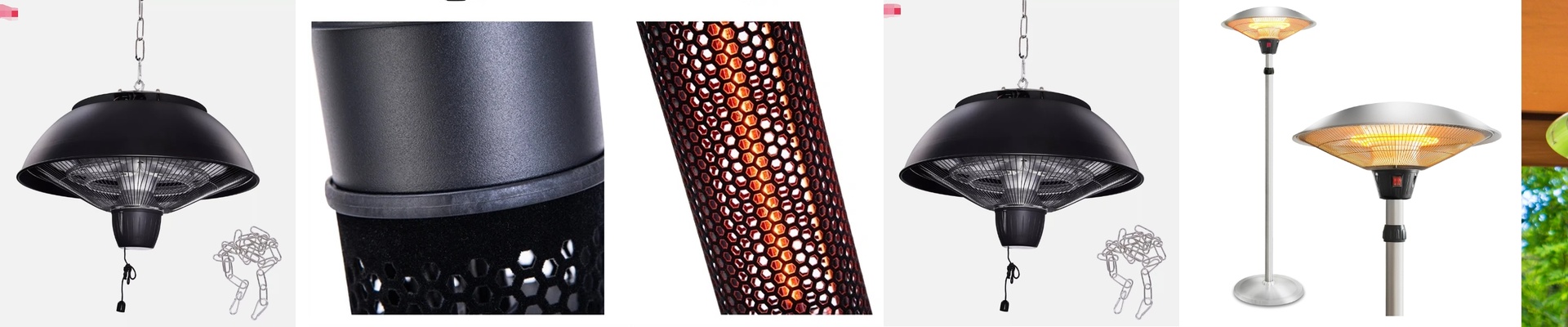
We designed our top-selling infrared heater for the one place most heaters get chewed up and spit out: the nightclub patio. It’s wet. It’s wild. The weather swings fast. And standard gear just can’t take the beating. So we built this one to do one thing really well: keep the heat on, keep the unit running, and stop you from getting midnight panic calls about a dead heater.
The Heat That Lands Where You Need It
This heater runs on standard voltage, so it’s easy to work with. But what actually matters is how the warmth lands. We match the wattage to the tube length and the reflector shape, so the beam stays tight on the seating area—not wasted out in the empty air. That means the spot where people are actually sitting gets real, steady warmth. And you don’t have to worry about overloading nearby electrical runs.
The Protection Is in the Details
The tube is halogen infrared, wrapped in a quartz envelope built to handle sudden temperature swings without cracking. Then we built in anti-fog and anti-splash protection at the front. So the reflector doesn’t fog up, and water droplets don’t hit the hot surface directly. And we didn’t stop with a flimsy cover. The critical joints and the places where wires enter are gasketed and shielded. Moisture can try—it still struggles to get in. Even the connector is designed for a secure, repeatable lock, so you don’t get loose fits that invite water in.
Built for Patio Reality, Not a Calm Living Room
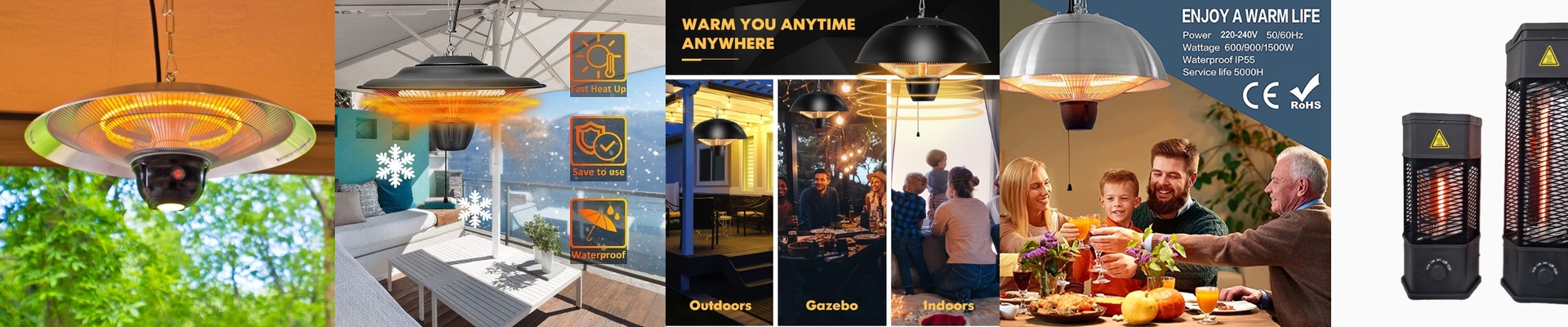
A nightclub patio throws wind-driven rain, spilled drinks, and heavy humidity at your equipment. Our waterproof build keeps water out, so you don’t deal with the electrical faults and corrosion that quietly kill heaters. And because the anti-fog and anti-splash design keeps the output consistent, you don’t get cold spots caused by a fogged-up reflector. Now, one practical note: the sealed, rugged build does hold heat toward the front. So you just need to make sure the mounting clearances are respected, so nearby materials don’t get too hot. For the people running the place—engineers and facility teams—this build means fewer burnouts, quicker swaps, and uptime that actually makes it through the night.