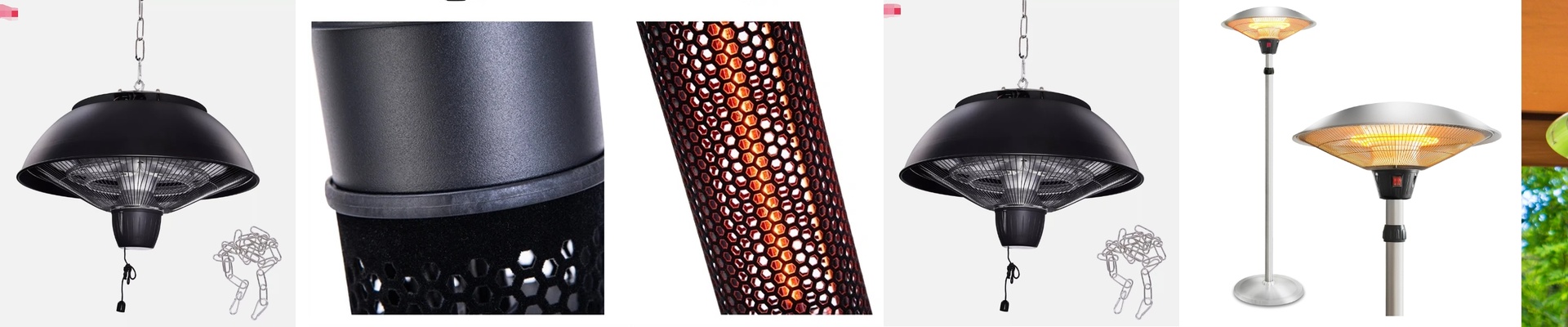

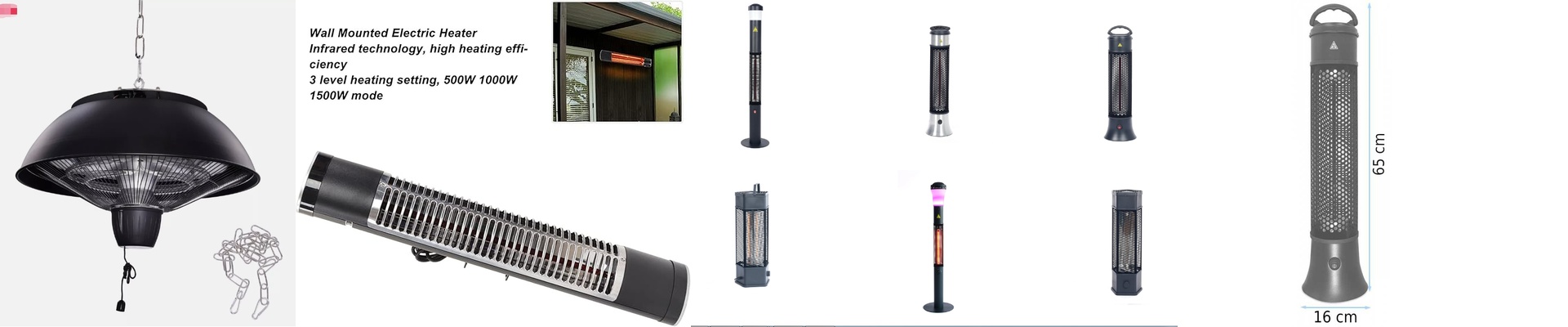
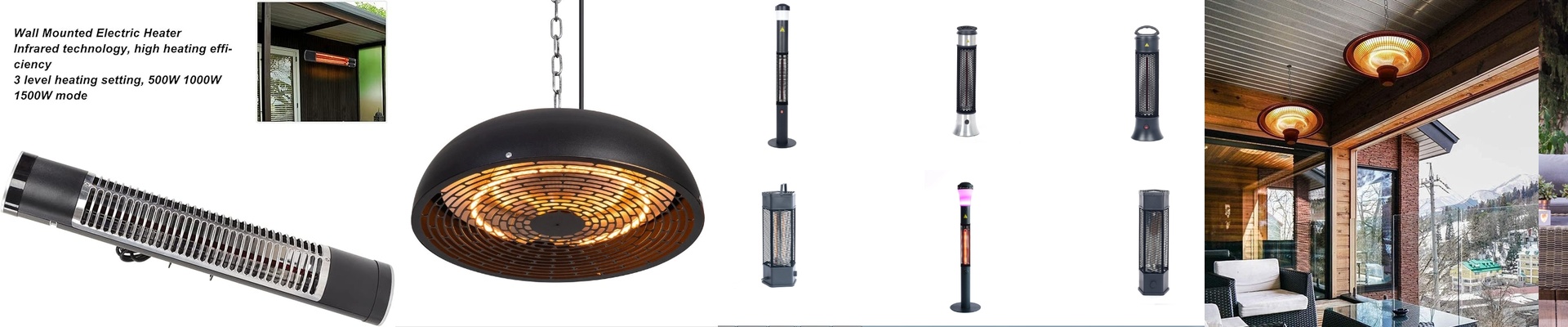
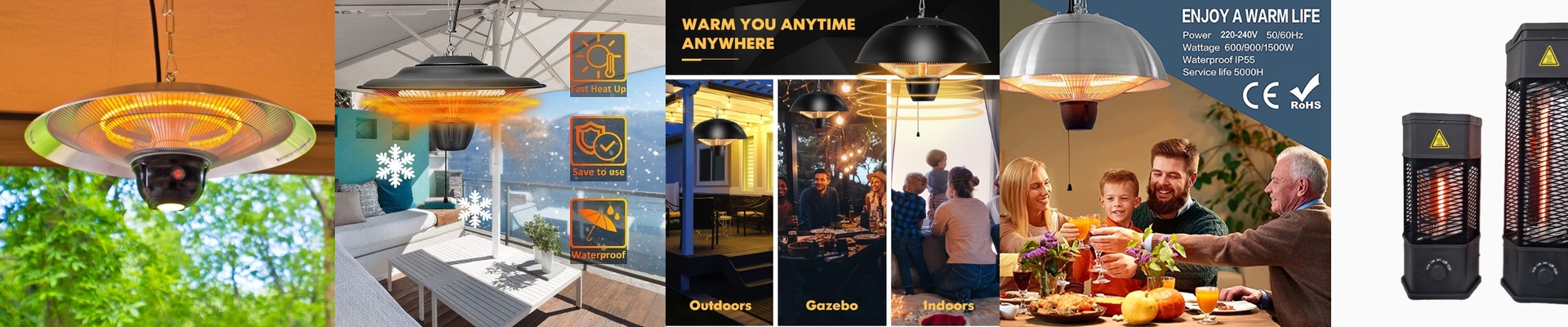
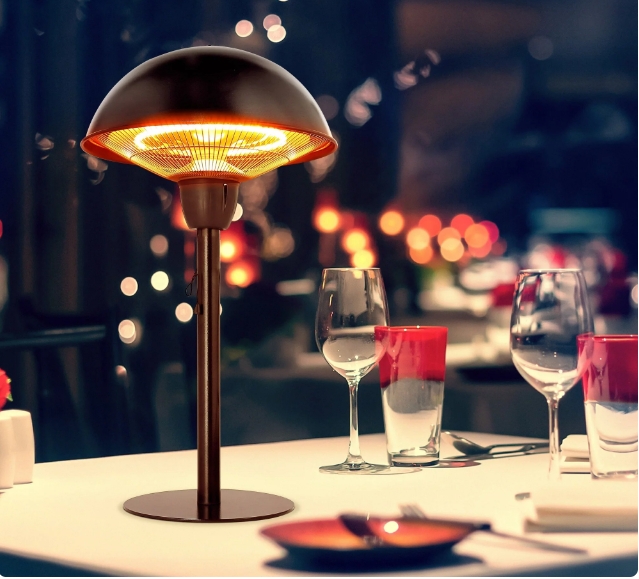
Watching an infrared heater for your dog house fire up isn’t just about warmth. It’s a quick gut check on what you’re actually dealing with under the hood. Flip the switch and that clean, near-instant glow tells you the element is solid—dense, pure, and ready to work. If the light is sluggish or patchy, you’re looking at impurities and thin materials that waste power and cut the heater’s life short. On cold nights, that difference is the line between a warm dog and one who’s shivering while the unit struggles. What matters under the hood With a dog house, infrared warmth comes down to the element. A quality quartz tube with a dense carbon filament hits operating temperature in seconds, delivering steady radiant heat. You should see a bright, even glow across the tube within about two seconds. Weaker elements take longer, flicker, or show hot and cool spots. For a small to medium insulated shelter, we typically size the output at 150–300 watts so the heater runs quietly, cycles less, and stays efficient. A built-in thermostat keeps the temperature steady, while tip-over protection and a sealed IP rating give you real peace of mind around bedding, moisture, and movement. Here’s why it works so well in this spot. A dog house is tight, damp, and exposed. Radiant infrared heats objects and bedding directly, so your dog feels warmth right away—even when the air inside is still cold. That matters when the temperature takes a sudden drop. The fast start also keeps the heater from sitting idle, cycling on and off for long stretches, which keeps energy use predictable and wear to a minimum. Pair that with a tough outer shell and protected internals, and the unit can handle wet mornings and curious paws, delivering comfort you can count on. A few practical notes Aim the heater at the sleeping area and place it where paws can’t reach the tube. Keep clearances, and treat the cord as a chew risk—run it along walls or use protective conduit. Make sure the shelter has some ventilation to avoid stuffiness, and match the wattage to the space so the thermostat isn’t constantly chasing extremes. Set up thoughtfully, the heater runs calmly, lasts season after season, and turns a cold night into a quiet, cozy one.