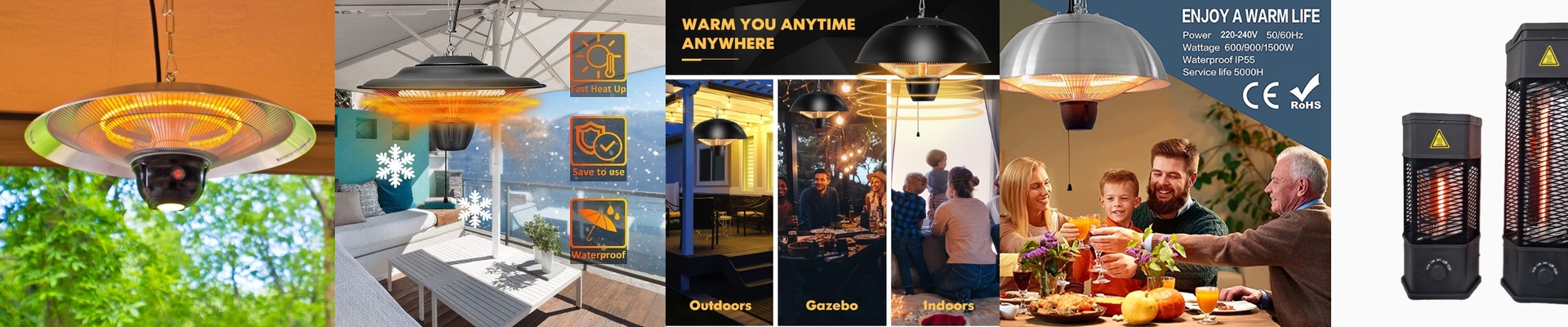
The Reality of Industrial Heating Maintenance
We built this infrared towel rail heater to solve one specific headache: the dreaded 5-year service cycle. In industrial heating, a burnout isn’t a surprise failure. It’s just a scheduled event you know is coming. So we designed the system so you can swap out the heating element in minutes, not hours. This isn’t about making things easier for fun. It’s about keeping your line up and running, without the downtime that kills your momentum.
Power and Configuration: The Heart of the Machine
The core of this unit is the high-density heating element. We spec’d it to deliver a rapid heat-up and hold a steady output, even in those damp, humid environments where towel rails live. The tube’s geometry is shaped to match the rail footprint perfectly. That means even heat across the entire length. You get the heat exactly where you need it, without wasting energy warming up the air around it.
Modular Design: The Swap That Saves Time
Here’s the best part. The modular design separates the heating tube from the main housing. When the tube hits its service life, you simply unlatch the module and disconnect the R7s socket. That R7s connector is standardized for a reason. It handles the high current the element needs, and it gives you a secure, tool-free connection. What used to be a complicated teardown is now a simple swap. You wire it up once, and from then on, replacement is pure plug-and-play.
The Trade-off: Power You Can Plan For
This setup is built for reliability in wet, humid conditions. And the modular approach means you can keep spare elements on the shelf. When a unit goes down, you pop in a new tube immediately and send the old one back for refurbishment. The trade-off? Heat density. A high-output element generates a lot of focused heat. So your machine’s cooling and ventilation need to be ready for that thermal load. Plan for it, and this heater will run for years with barely a hiccup.