Why Most Infrared Table Heaters Die (And How We Fixed It)
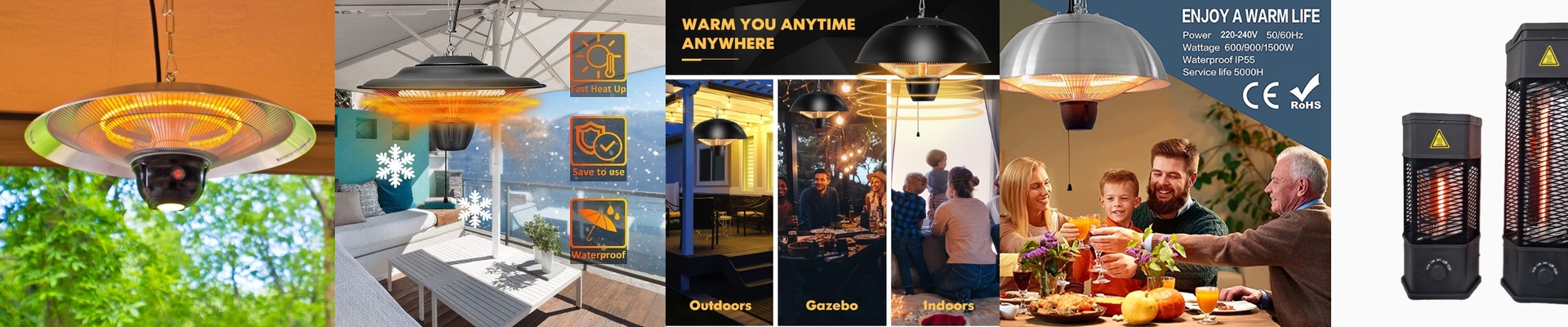
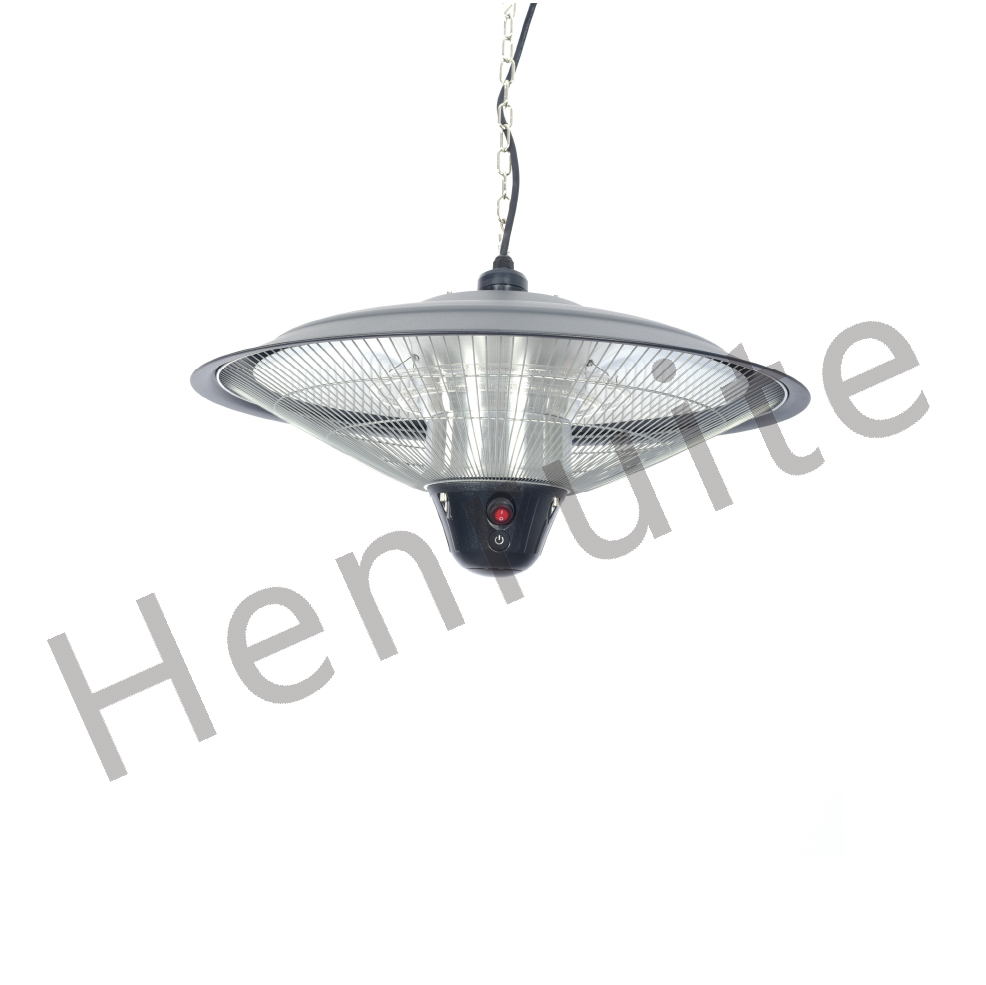
Let’s be honest: most infrared table heaters are fragile. You’re working, a bit of steam drifts over, or some water splashes onto a hot quartz tube, and snap. That’s thermal shock. It creates these tiny micro-cracks that you can’t even see, but they’re there. Eventually, moisture sneaks into the electrical terminals. Then you get a short circuit, and your heater is toast. It’s a frustrating cycle. We got tired of seeing it happen, so we rebuilt our latest series to actually survive a real workspace. Dealing with the damp We focused on the stuff that usually kills these machines. We used specific shapes and splash-proof seals to keep the heating element isolated. On a cheap heater, vapor just sits on the tube. This creates “cold spots” that make the glass stress out because the heat isn’t hitting it evenly. Our housing is different. It deflects splashes and keeps fog from clinging to the emitters. If the tube stays dry, the glass doesn’t fatigue. Simple as that. The “set it and forget it” factor We spent a lot of time on the IP rating—basically, how well it keeps the bad stuff out. We sealed the connection points where the wiring hits the lamp so liquid can’t wick its way into the socket. It means you don’t have to panic every time a technician cleans the station or a nearby pipe leaks. Your voltage stays stable, your resistance doesn’t climb, and you aren’t replacing the whole unit every few months. The trade-offs (Because nothing is perfect) Here’s the deal: adding waterproof housings makes the heater a bit bulkier. You also lose a tiny bit of heat efficiency because the shielding blocks a fraction of those IR waves. It’s not a big deal, but you’ll probably want to nudge the heater a little closer to your workpiece to hit your target temperature. One last tip: make sure you wire it to a properly grounded circuit. The seals handle the splashes, but the guts of the machine still need clean power to keep those filaments from spiking.