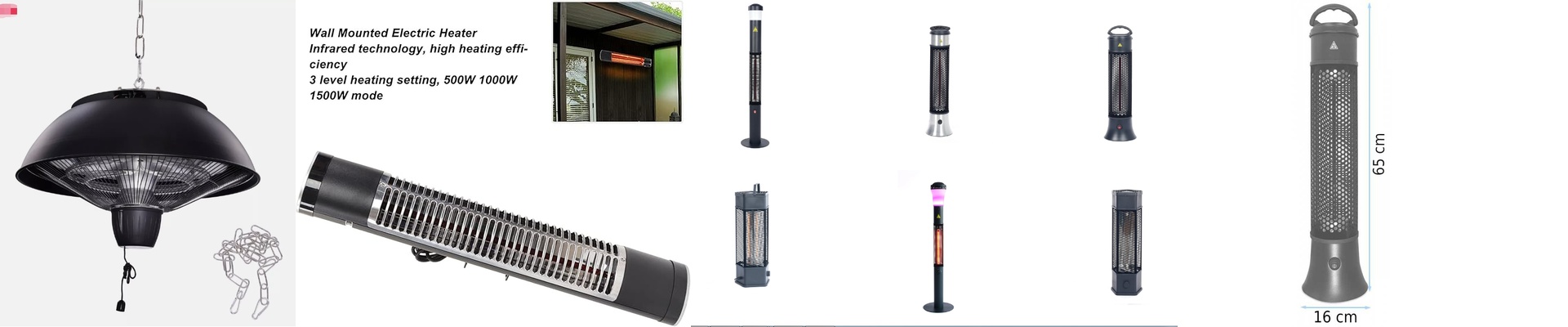
Keeping the Rain Out and the Heat In: How We Build Our Outdoor Heaters
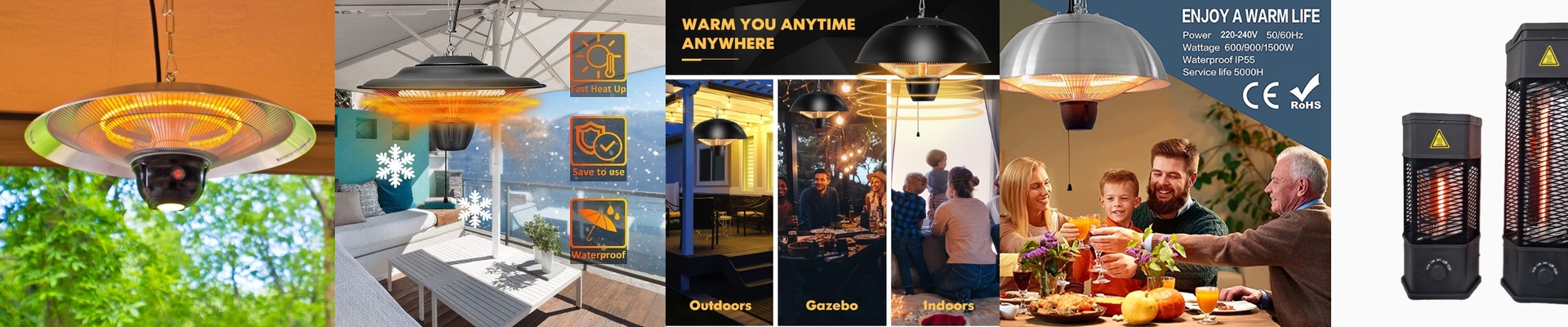
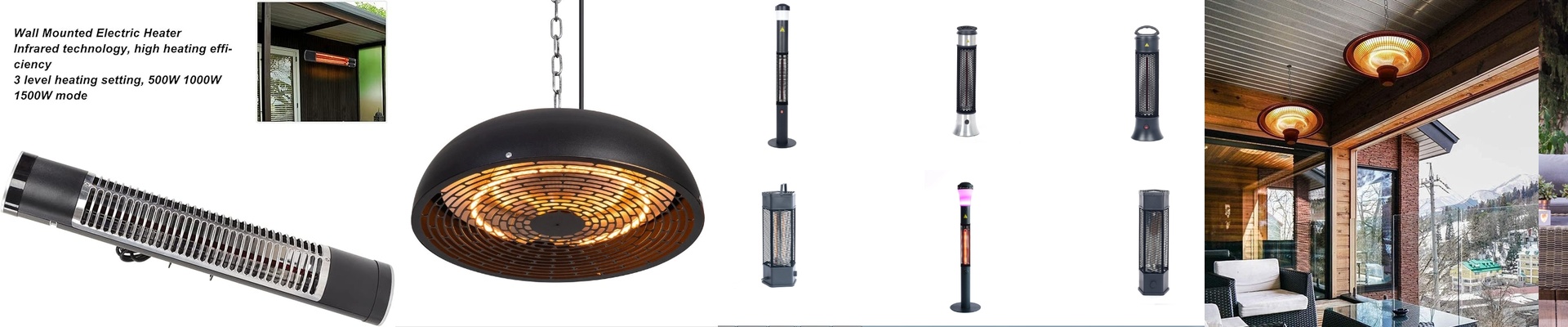
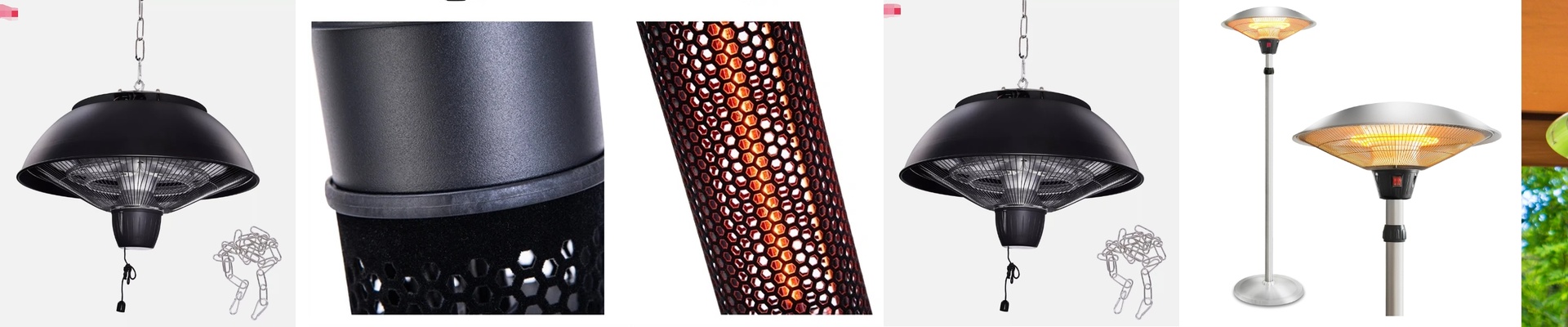
If you’ve ever put a cheap heater outside, you know the drill. A bit of rain or a humid night, and suddenly the thing shorts out or the heating element just gives up. It’s frustrating. That’s why we spend so much time obsessing over the IP rating and waterproofing. We want these things to actually survive the elements, not just “technically” be outdoor-rated. Dealing with the wet stuff We don’t just slap a cover on the box and call it a day. We use sealed gaskets and hydrophobic coatings to keep water away from the electronics. But here’s the real secret: it’s all about the path the water takes. We shaped the chassis to physically push droplets away from the terminal connections. If moisture creeps across the insulators, it creates a bridge that fries the control board. We just make sure the water never gets that chance. The battle against the fog Ever notice how your bathroom mirror fogs up? The same thing happens to the reflector and the quartz tube when the temperature swings. When that fog hits, your heat transfer tanks. You lose a huge chunk of that “throw” that actually makes you feel warm. To stop this, we treat the optical surfaces so the moisture can’t stick. It keeps the infrared rays focused right where they belong—on you. The tricky part: Breathing vs. Sealing Here is the catch. If you seal a heater perfectly, you’ve basically built an oven for the internal wiring. It’ll cook itself from the inside out. So, we found a middle ground. We use breathable vents. They let the pressure equalize and let the unit “breathe” without letting liquid water leak in. Just a quick tip: when you’re mounting your heater,don’t block those vents. If you cover them up during installation, the internals will overheat, and you’ll be replacing the unit way sooner than you should. We build these to take a beating. By getting the seals right and managing how water hits the glass, we make sure you spend more time staying warm and less time worrying about your gear.