Getting Your Heater Spacing Right
If you’re putting infrared heaters in your outdoor dining area, don’t just grab a unit and bolt it to the ceiling. There’s a bit of a science to it. Get the distance wrong, and you’re either throwing money away on your electric bill or, worse, risking a fire.
Why the Gap Matters
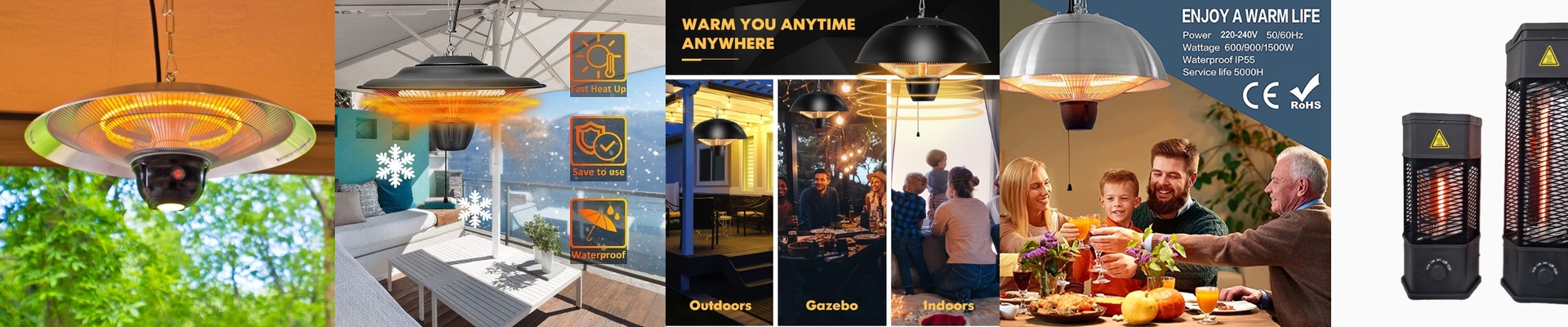
Here’s the thing about infrared: it doesn’t actually warm up the air. It sends out waves that hit people and objects directly. If you mount these units too close to your ceiling or an overhang, the ceiling just soaks up all that heat. It basically becomes a giant radiator that doesn’t help your guests at all. I’ve seen this happen a lot in tight patio setups. You’re paying for the power, but the heat is trapped upstairs while your customers are still shivering.
Finding the Sweet Spot
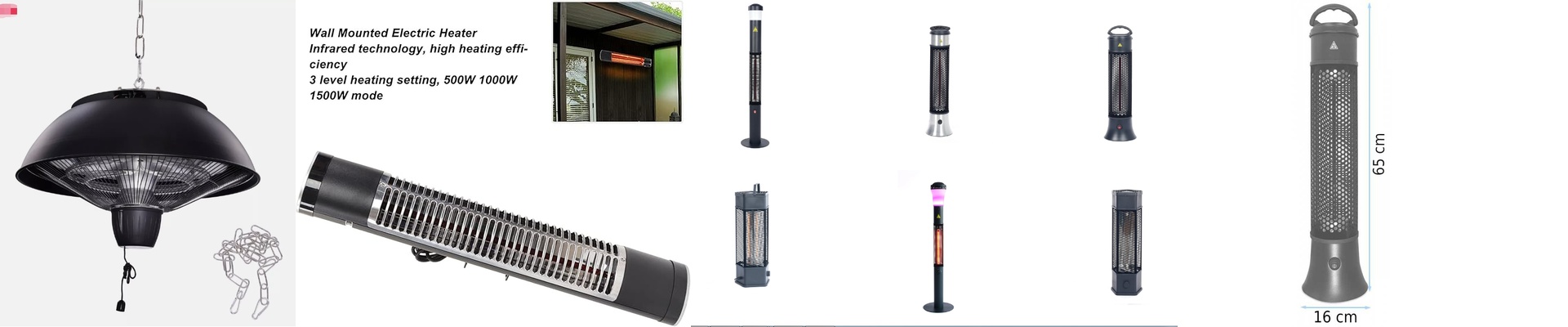
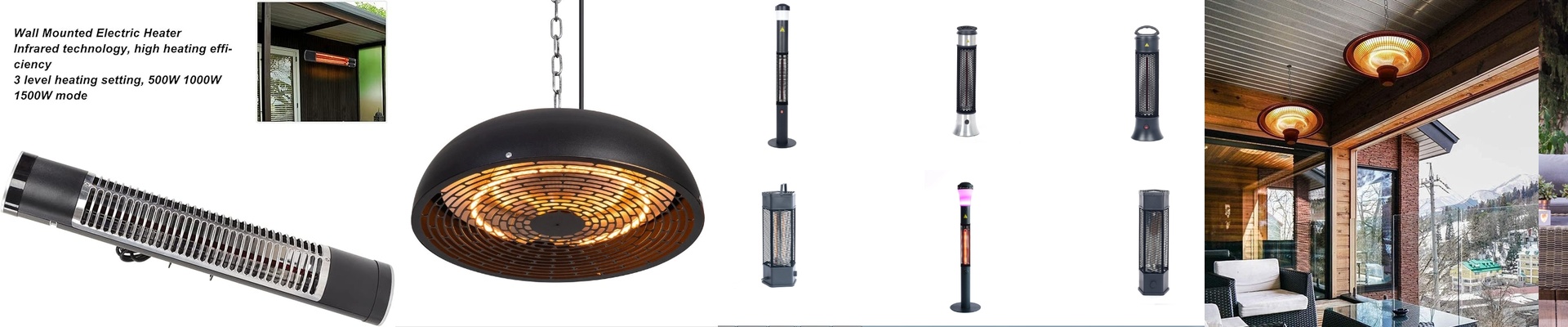
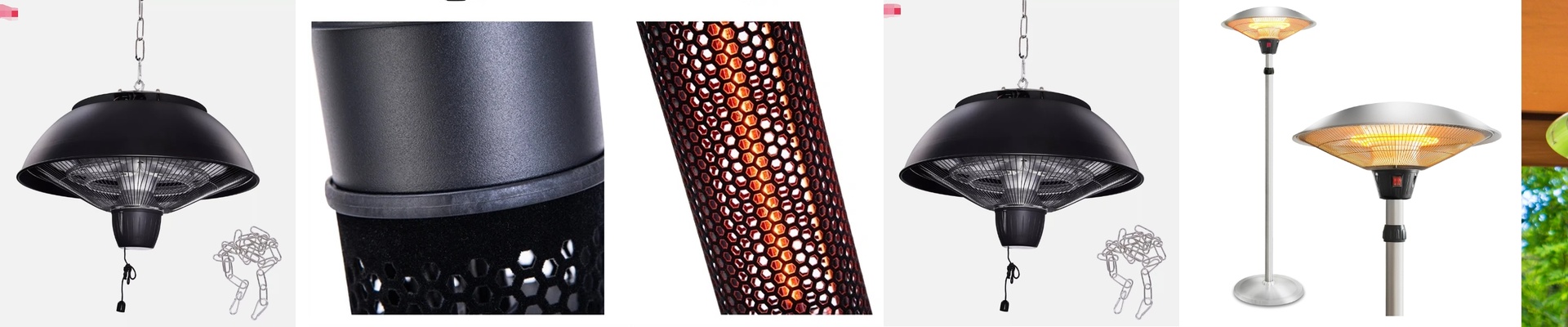
For the standard commercial short-wave units, I usually suggest leaving about 18 to 24 inches of breathing room from the ceiling. If you’re using carbon heaters, you can get away with a slightly tighter gap, but the goal is the same: give that heat a clear path to go down. Height is just as tricky. If you hang a 2000W unit too high, the heat vanishes before it even reaches the table. But if you mount it too low? You’ll end up burning the tops of your guests’ heads. That’s a quick way to get a bad review. We usually aim for 7 to 10 feet above the floor. It’s the best way to keep everyone cozy without making them feel like they’re sitting under a heat lamp at a buffet.
The Bottom Line (and Your Wallet)
Getting this right actually helps you make more money. When guests feel warm and comfortable, they stay longer. They order another round of drinks or a dessert they weren’t planning on. But the moment a “cold spot” hits their shoulders, they start looking for their coats. If you map out a grid of heaters with the right ceiling clearance, those cold spots disappear. Just a heads-up: higher wattage units pack a bigger punch, but they’re more demanding. They need beefier wiring and way more space. You can’t just toss a high-output lamp into a low-ceiling nook without making sure your roofing material can actually handle the heat.