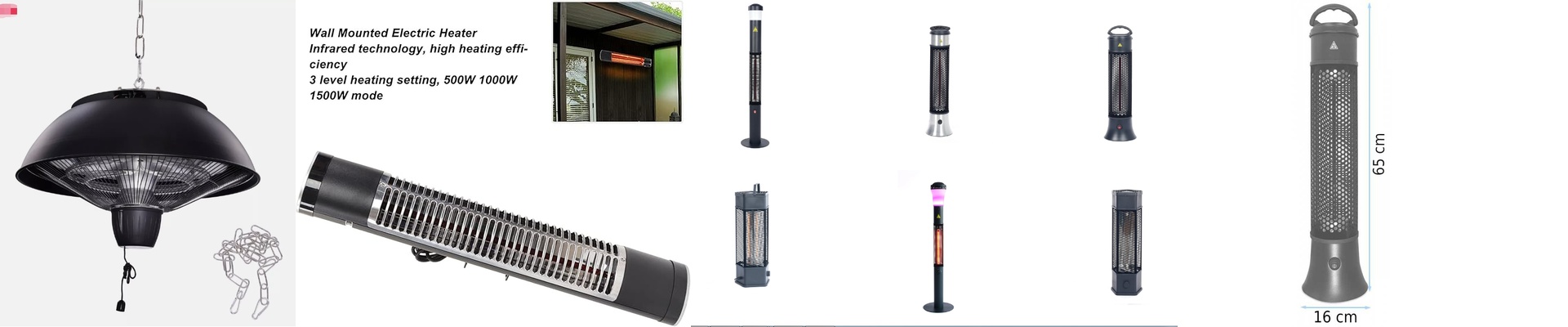
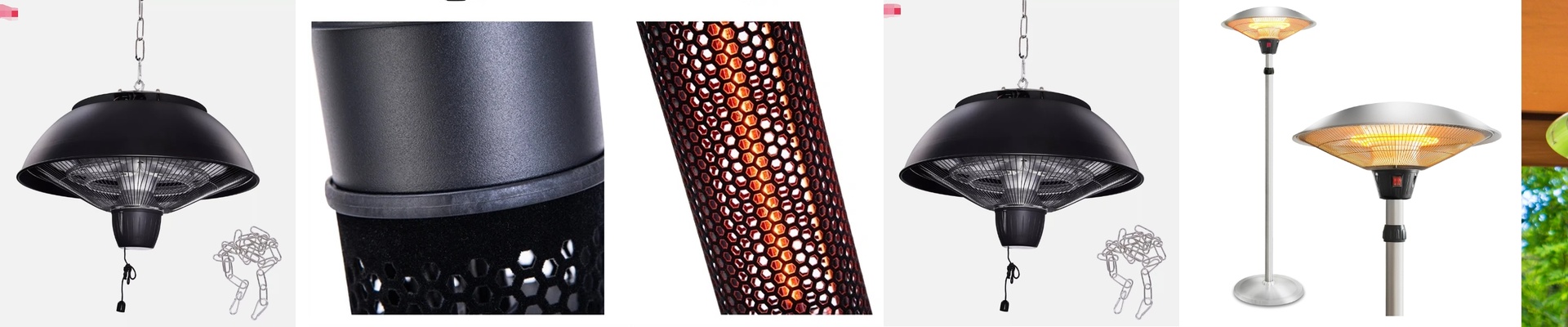
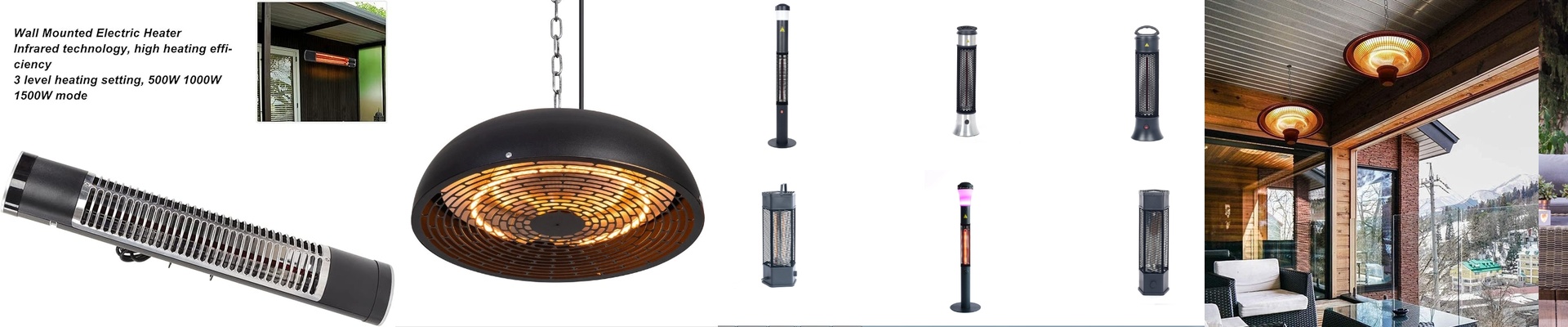
Stop Tearing Down Your Outdoor Heaters Every Time a Bulb Pops
Let’s be honest: outdoor heating is a battle. Between the rain, the dust, and the constant heating and cooling, your equipment takes a beating. If you’re using IP66-rated heaters, you’ve already handled the water problem. But here is the thing—no matter how waterproof the box is, those infrared lamps are eventually going to burn out. It’s just physics. Over a five-year stretch, it’s going to happen.
The Headache of the “Sealed Box”
Most waterproof heaters are built like a vault. They’re sealed tight, which sounds great until a tube goes dark. Suddenly, you’re staring at a nightmare. You either have to rip the entire unit off the wall or throw away a perfectly good chassis just because one part failed. It’s a massive waste of hardware, and it’s an even bigger waste of your time. We got tired of that. So, we stopped building “vaults” and started building modules. Instead of a permanent, welded seal, we switched to gasket-sealed access points and quick-connect terminals.
How the Swap Actually Works
Think of the heating element like a battery in a remote—it’s a consumable. It should be easy to replace. With this setup, you don’t have to mess with the control box or rewire anything. You just pop open the modular housing, slide the dead tube out, and drop a new one in. We use standardized connectors, so the tube seats perfectly every time. No guessing, no worrying about a short circuit. The best part? The module frame handles the heavy lifting of the seal, so your IP66 protection stays solid even after a swap.
A Word of Caution on the Seals
Now, look, modular designs naturally have more “edges” than a solid piece of welded metal. That means you have to be a little more mindful. We use high-temp silicone gaskets because they don’t get brittle or crack when things get hot. But you’ve got to make sure they sit flat. If you pinch the seal while you’re closing it up, you’ve just invited the rain inside. Just take two seconds to make sure it’s flush, and you’re golden.
Why This Actually Matters
Imagine the difference between a two-hour teardown and a 10-minute swap. It changes your whole budget. You get to keep the expensive enclosure and the power electronics, replacing only the quartz or halogen element. It’s a quick fix that keeps the heat cranking without needing to redesign the entire installation.