
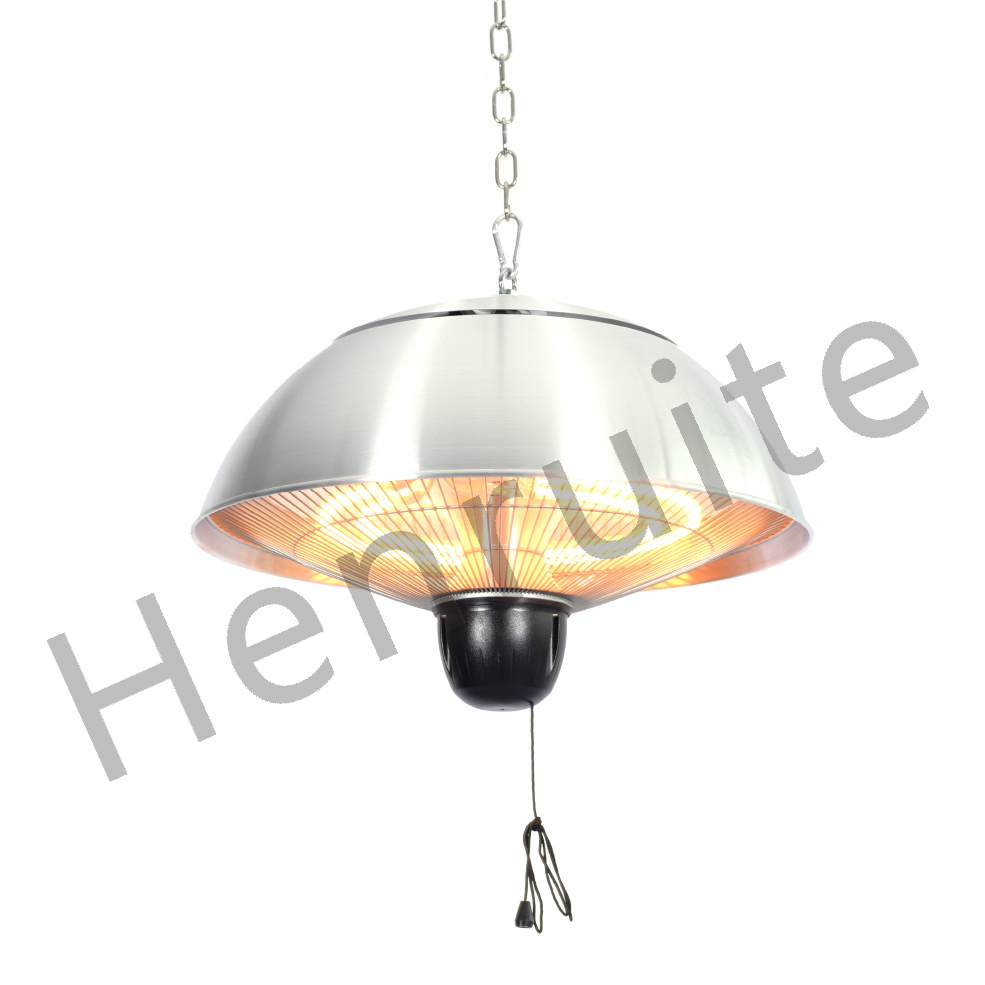
Why Your Bathroom Heater Actually Dies (And How We Fixed It)
Bathrooms are a nightmare for electronics. You’ve got thick steam one minute and searing heat the next. In most infrared wall heaters, there’s one spot that almost always gives out first: right where the lead wire plugs into the heating element. If that seal lets go, moisture sneaks in. If the insulation gets brittle, you’re looking at a short circuit. Not a great combination.
The problem with “cheap” seals
Most budget heaters just slap on some basic glue or low-grade silicone and call it a day. But here’s the thing: these heaters go through “thermal cycling”—meaning they get hot, then cold, then hot again. Over time, that cheap glue hardens and cracks. We call it embrittlement, but basically, the seal just turns into a cracker. Once it snaps, oxygen and steam hit the copper wires. They oxidize, they burn out, and your heater becomes a very expensive wall decoration. We do things differently. We use high-temp glass-to-metal seals or specialized ceramic potting. Why? Because these materials expand and contract at the same rate as the quartz tube. When the heater hits peak temp, the seal stays put. It doesn’t pull away or leave a gap.
Keeping things safe
This isn’t just about making the heater last longer. It’s about safety. When insulation melts or cracks from the heat, the live wires get way too close to each other. In a steamy bathroom, that moisture acts like a bridge for electricity. That’s how you get a flashover. To stop that from happening, we use a three-step approach: First, we use a mechanical compression fitting. Then, we add high-temp dielectric potting. Finally, we wrap it all in a reinforced heat-shrink sleeve. It’s a bit overkill, maybe. But it means the electrical path stays isolated even if the outer casing is getting blasted with steam and splashes.
One quick tip for installation
There is a trade-off here. Because our seals are so heavy-duty, the lead wires are a bit stiffer than the flimsy ones you’ll find in cheap units. Don’t bend them sharply. If you force the wire into a tight corner, you might actually crack the seal you just paid for. Just give the wiring a nice, generous loop. Give it some breathing room, and it’ll last you for years.