

Getting Glass Annealing Right: Why Every Degree Matters
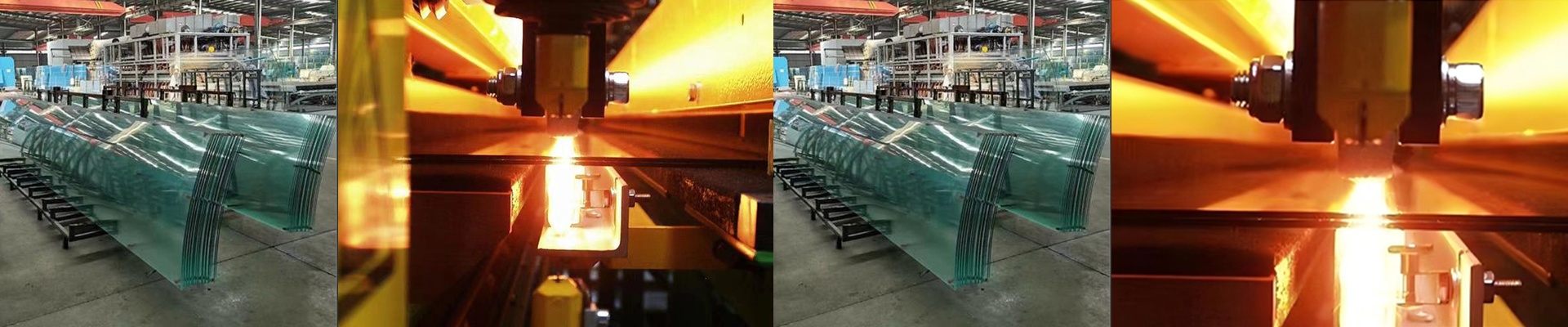
If you’ve ever had a piece of lab glassware shatter during a vacuum test, you know that sinking feeling. It’s frustrating. It’s a waste of time. Usually, it all comes down to internal stress—tiny tensions locked inside the glass that just wait for the right moment to snap. To stop that from happening, we use high-precision infrared heating in our CNC setups. The whole point is to hit that sweet spot—the annealing point—and then let the glass cool down slow enough that those tensions just melt away.
The obsession with 0.1°C
Most heating lamps drift. In a lot of industrial jobs, a 5-degree swing is no big deal. But in precision annealing? That’s a disaster. When your heat source wanders, you get “thermal gradients.” Basically, one part of the glass wall is hotter than the other. We use infrared elements that stay steady within 0.1°C. It keeps the glass right in that “stress-relief” zone without accidentally melting or warping the shape. It’s the only way to make sure you aren’t leaving behind micro-fractures that cause the glass to fail out of nowhere.
Why short-wave infrared?
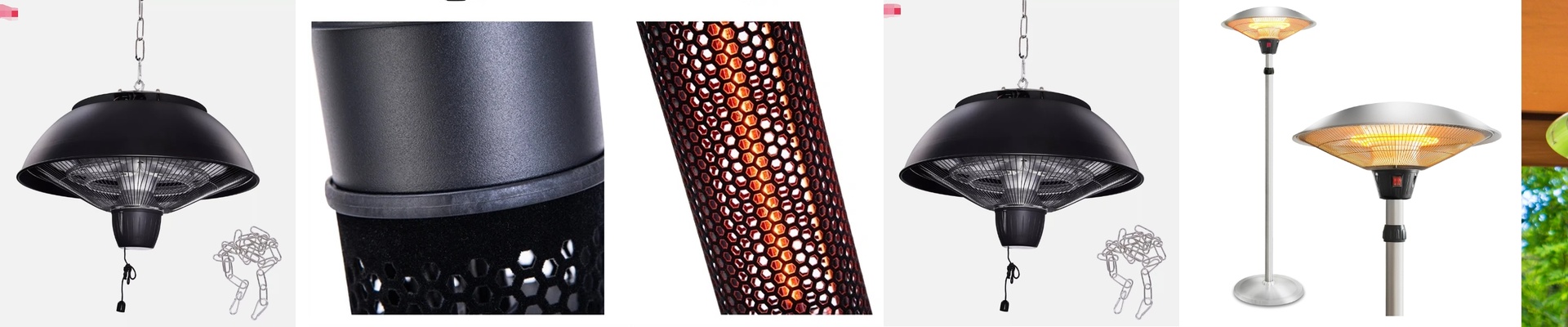
We go with short-wave infrared emitters for this. Here’s why: short-wave heat actually sinks into the glass rather than just hitting the surface. It gets the core temperature uniform much faster. But there’s a catch. You have to be careful with your PID controller. If you crank the wattage too high without a dialed-in feedback loop, you’ll overshoot your target temperature. And once you overshoot, the whole batch is basically scrap.
The messy reality of the hardware
Getting this kind of precision isn’t free. You need a rock-solid power supply. If your electrical line is “noisy,” you’ll see that noise show up as temperature swings. That’s why a high-grade SCR (Silicon Controlled Rectifier) is a must—it’s the only way to hold that tight 0.1°C window. One last thing: these lamps get incredibly hot. Like, really hot. Make sure your housing has plenty of airflow. You don’t want your electronics baking while you’re trying to save your glass.