Stop the Cracking: A Better Way to Handle Glass Tempering
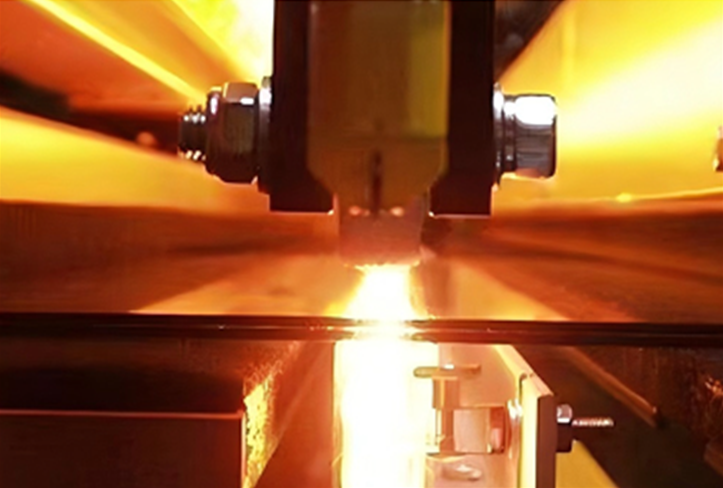
If you’ve spent any time in a glass shop, you know the feeling. You’ve shaped a piece perfectly, but the second it hits the tempering stage, snap. It cracks. It’s frustrating, and it’s usually because the glass can’t handle the sudden jump in temperature. The trick is finding a heat source that hits hard and fast, but knows exactly when to quit. That’s why we lean on short-wave quartz IR lamps. Speed is everything. To keep your glass from shocking, you need power that moves as fast as you do. Old-school resistive heaters are too slow—they linger. They keep pumping heat long after you’ve told them to stop. Quartz lamps are different. They react almost instantly. When you pair them with a high-frequency SCR or thyristor controller, you can dial the power up or down in milliseconds. It means the edges of your glass don’t expand wildly while the core is still shivering. It’s a much smoother ride for the material. Why quartz? We use high-purity fused quartz for the lamp envelopes because it’s a beast. It handles the insane heat of a tungsten filament without warping or letting out weird gases. But the real magic is in the short-wave radiation. Instead of just scorching the outside of the glass, this heat actually penetrates. It gets deep into the material, heating it through the thickness rather than just baking the surface. The practical side of things. Fitting these into an oven can be a tight squeeze. We stick to standard R7s or SK15 connectors because, let’s be honest, tubes eventually burn out. You want to be able to swap them in and get back to work without a headache. One heads-up, though: pushing high wattage through a short tube creates a lot of intense heat. If your ventilation is weak, you’re going to melt your wiring insulation or fry your sockets. It’s all a balancing act. You have to tune the lamp’s output to your conveyor speed. Get it right, and your glass glides through the tempering point without a single crack.