Getting Your Fiberglass Annealing Right
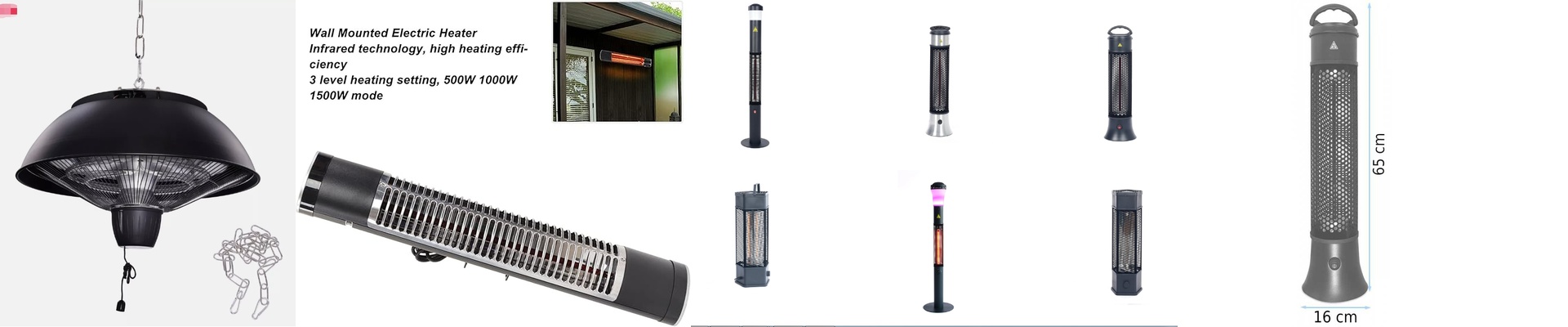
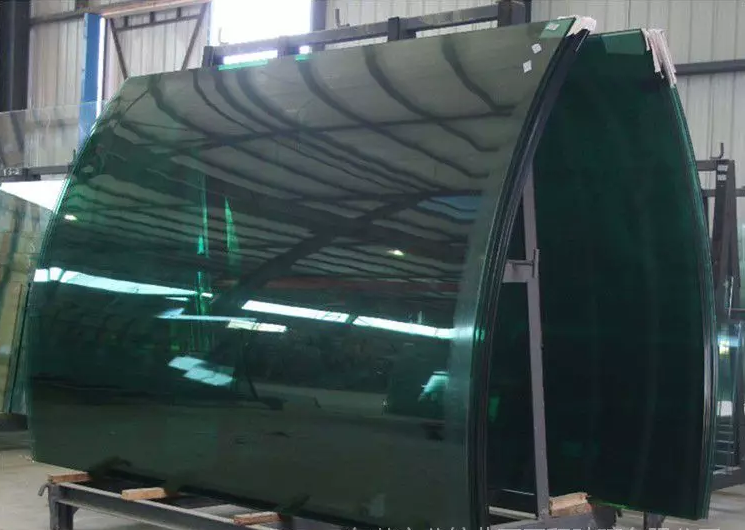
Most off-the-shelf infrared heaters just don’t cut it when you’re working with specialty fiberglass. If your glass has specific additives or dopants, a generic heat profile is basically useless. You end up with a common headache: the surface gets scorched, but the core stays cold. To fix that, the heat needs to hit the exact absorption peak of your material. It’s all about getting the energy to actually penetrate the glass.
It’s Not About More Power
Here is the thing: you can’t just crank up the wattage and hope for the best. That’s a great way to ruin a batch. Instead, we tune the wavelength. We play around with the filament composition and the quartz envelope coating to shift the IR spectrum. We’re essentially matching the emitter’s peak to the molecular vibration of your specific glass. When those two things align, the energy transfer is night and day. It just works.
A Word on the Heat
Since these custom spectral tubes often run at higher energy densities to keep those peaks steady, they put out a massive amount of intensity. If we’re fitting a high-wattage, short-wave lamp into a small space, you’ve got to keep an eye on your housing temps. Double-check your cooling fans and heat sinks. If they aren’t rated for that extra ambient load, you’ll likely end up warping your reflectors. And nobody wants to deal with that.
From the Lab to the Floor
This kind of setup is really for the R&D folks and high-spec production lines—the places where standard annealing cycles leave behind internal stress or those annoying optical defects. We design these to be drop-in replacements for your existing rigs. But keep in mind, because the spectral shift changes how the material absorbs energy, you’ll probably need to recalibrate your PID controllers. It’s more than just swapping a bulb. You’re speeding up your cycle times and finally stopping that frustrating gap where the outside is overheating while the center is still freezing.