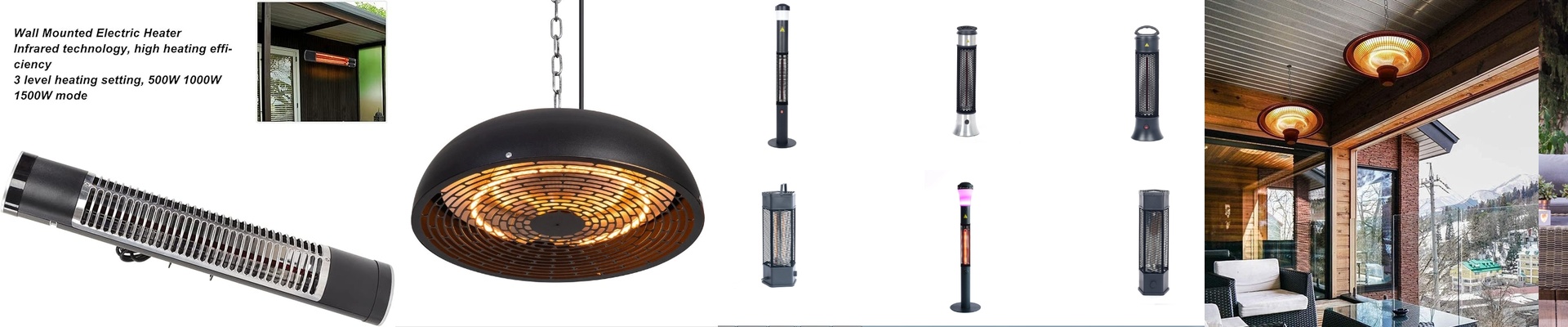
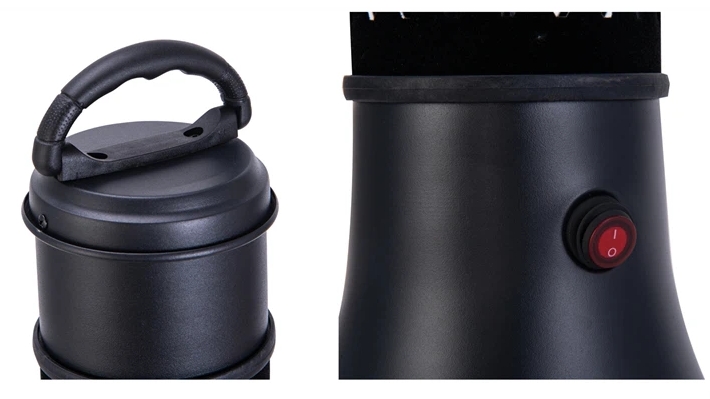
Why Your Bathroom Needs IP65 Infrared Heat
Let’s be honest: those old-school bathroom heat lamps are kind of a joke. They aren’t really built for the reality of a steamy shower. Most of them lack a proper seal, which is a problem when you’ve got constant mist and direct sprays hitting your fixtures. That’s why we’re moving toward IP65-rated infrared heaters.
What’s the deal with “IP65”?
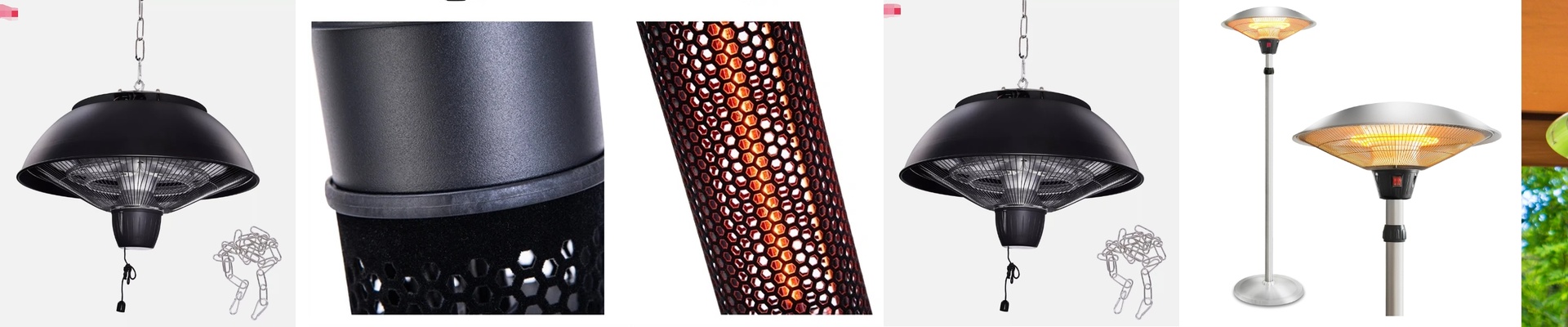
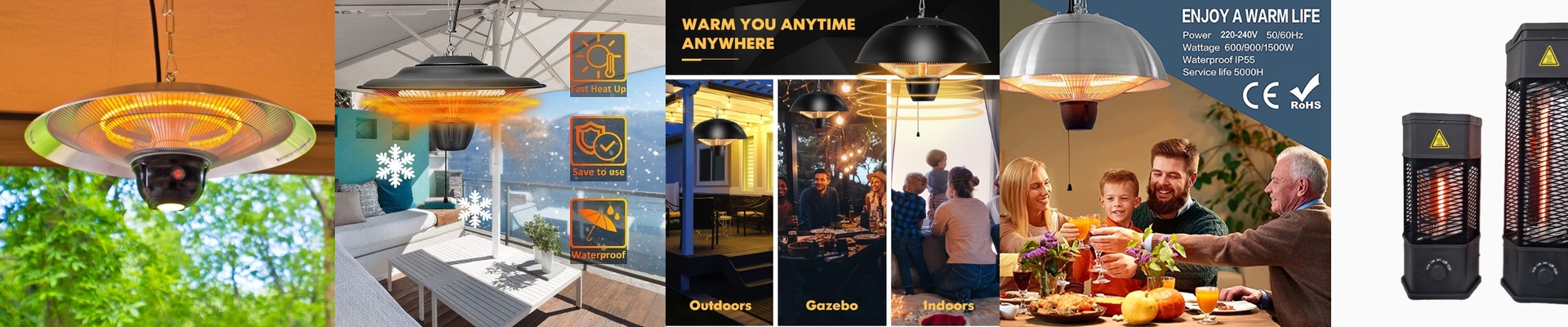
If you aren’t an engineer, that sounds like gibberish. But in plain English? It just means the unit is totally dust-tight and can handle water jets hitting it from any angle. Think about it. In a bathroom, moisture loves to find a way into the electrical terminals. Once that happens, you’re looking at short circuits or a heating element that burns out way too soon. We fix this by using reinforced housings and high-temp gaskets. It basically keeps the insides bone-dry, no matter how much steam you kick up.
Infrared vs. the old way
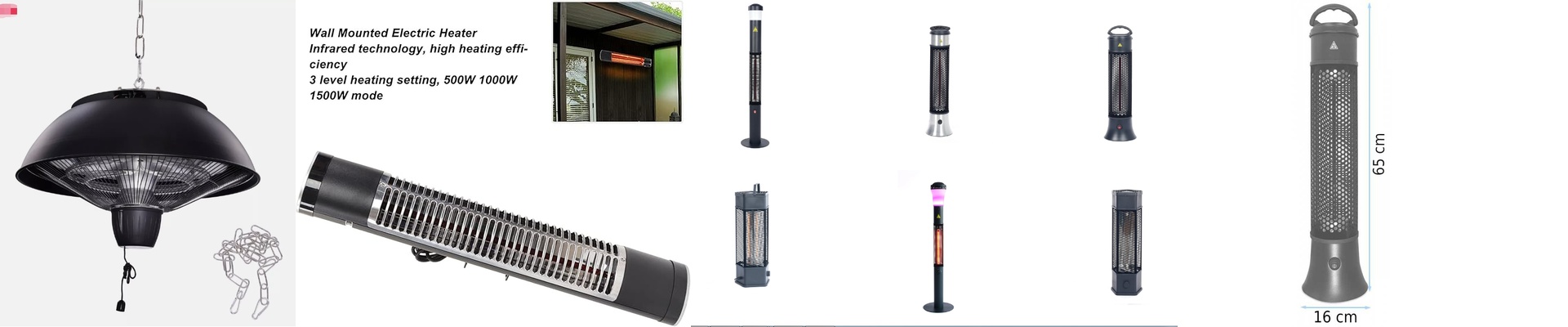
Standard warmers try to heat the air. The problem is, air is slow. You’re standing there shivering while the room slowly warms up. Infrared is different. It doesn’t care about the air; it goes straight for your skin and the surfaces around you. It’s instant. You flip the switch, and you feel it immediately. By using short-wave emitters, the heat cuts right through the humidity. You don’t have to wait for the whole room to warm up before you stop shivering.
A few things to keep in mind
Before you swap these in, there are a couple of practical bits to handle. First, you’ll need a dedicated circuit. These heaters pull a bit more power to get that “instant heat” feeling, so check your breaker. If your wiring is too thin, you’re just going to trip the breaker the moment you turn it on. Not a great way to start your morning. Also, these units are a bit bulkier than a simple lightbulb because of that waterproof casing. Make sure you actually have the ceiling space before you buy them. Yeah, they cost a bit more upfront than a basic lamp. But since the heating element isn’t constantly fighting corrosive moisture, they last way longer. If you’re upgrading a high-humidity spot, it’s a much smarter bet in the long run.