Getting IR Heating Right for 2m+ Glass Tunnel Kilns
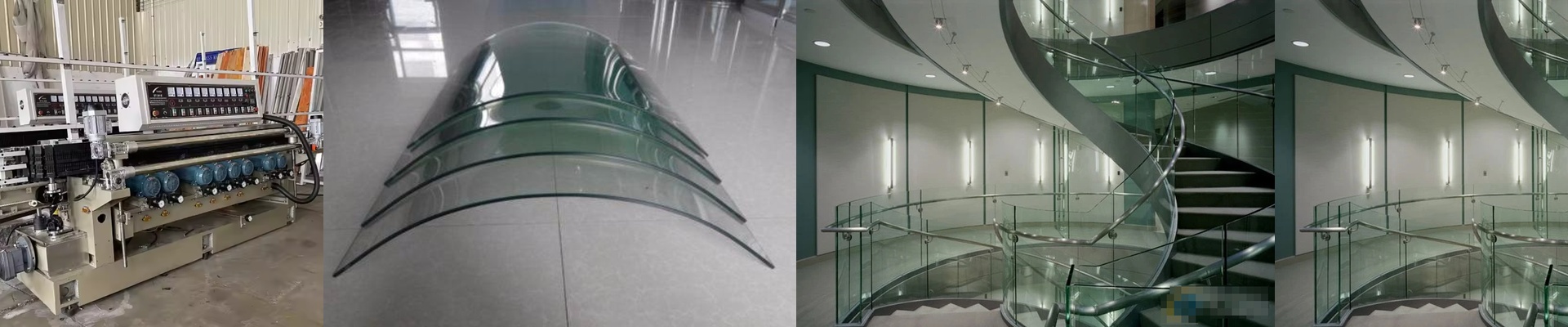
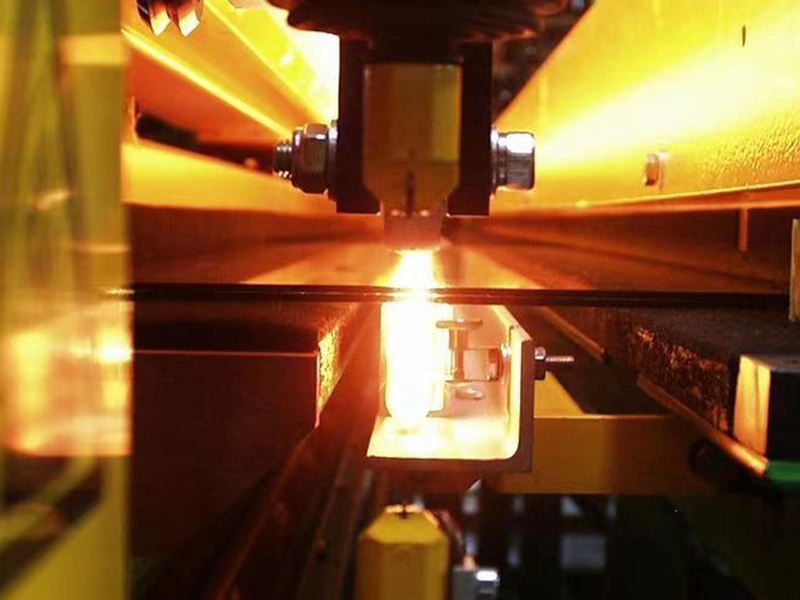
Most standard IR lamps just aren’t built for the long haul. If you’re running a glass tunnel kiln that needs a heat zone longer than 2 meters, you can’t just string a few small lamps together and hope for the best. You’ll end up with cold spots, uneven tempering, and a lot of headaches. We take a different approach. We build custom, ultra-long heating units where the lamp and the aluminum reflector are one single, modular piece. The struggle with the “big footprint” When you’re dealing with two meters or more, the real fight is keeping the heat steady. We use high-purity aluminum for the reflectors. Why? Because it doesn’t warp when those long tubes start getting hot. We shape the reflectors specifically to bounce every bit of IR radiation back into the glass. No wasted energy. Then there’s the voltage drop. Here’s the thing: on a run this long, the ends tend to run cooler than the middle. That’s a problem. We calibrate the wattage and voltage so the heat is dead-even from start to finish. If you just cram too much power into one long circuit, you’ll burn out the filament at the stress points. And nobody wants to deal with that mid-shift. Getting it installed Whether you’re replacing an old system or building something from scratch, these are designed to just drop right in. The aluminum housing actually helps the quartz glass last longer by acting as a heat sink for the ends of the lamp. The wiring is where it gets precise. We use a continuous layout to get rid of those annoying gaps you see in segmented systems. Your glass moves through what feels like a constant curtain of heat. No dips, no spikes. The honest trade-offs I’ll be straight with you: longer units are a pain to replace. If a lamp fails in a 2-meter assembly, you aren’t just swapping a lightbulb. You’re hauling a heavy, oversized piece of equipment. Because of that weight, make sure your kiln’s support rails are beefy enough. If they aren’t, the aluminum reflectors will start to sag over time, and then you’re back to square one with uneven heating.