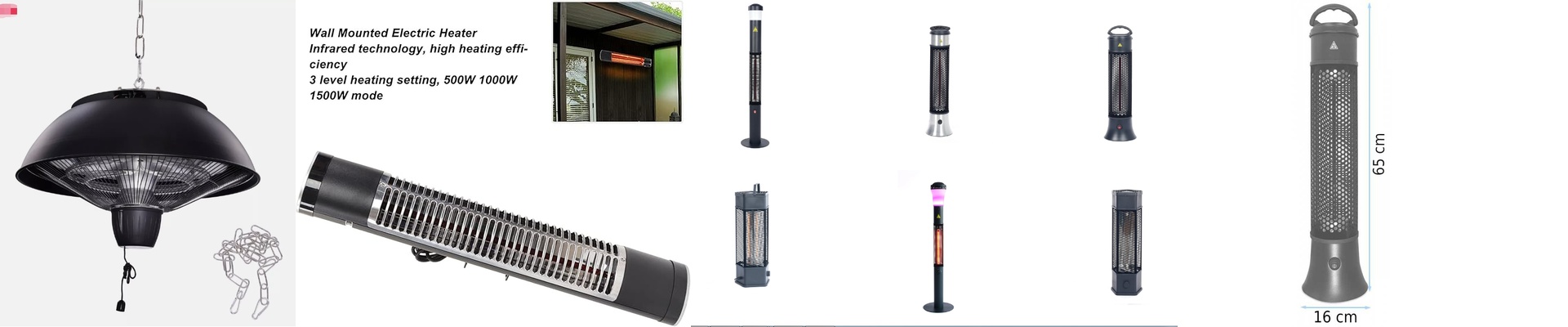
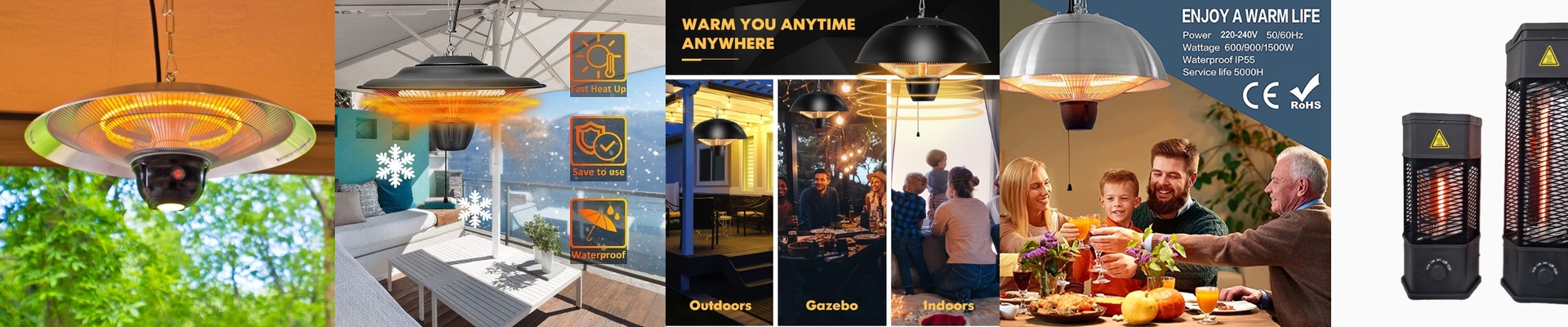
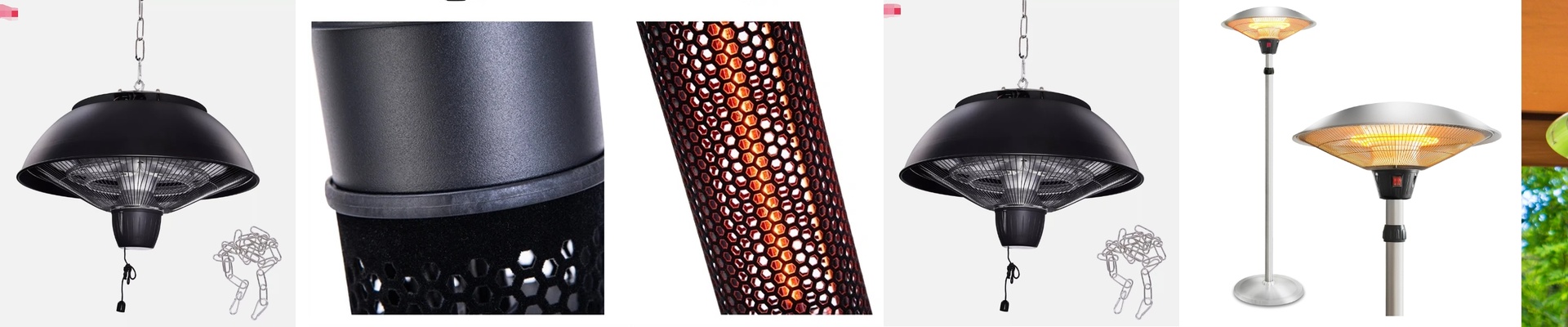
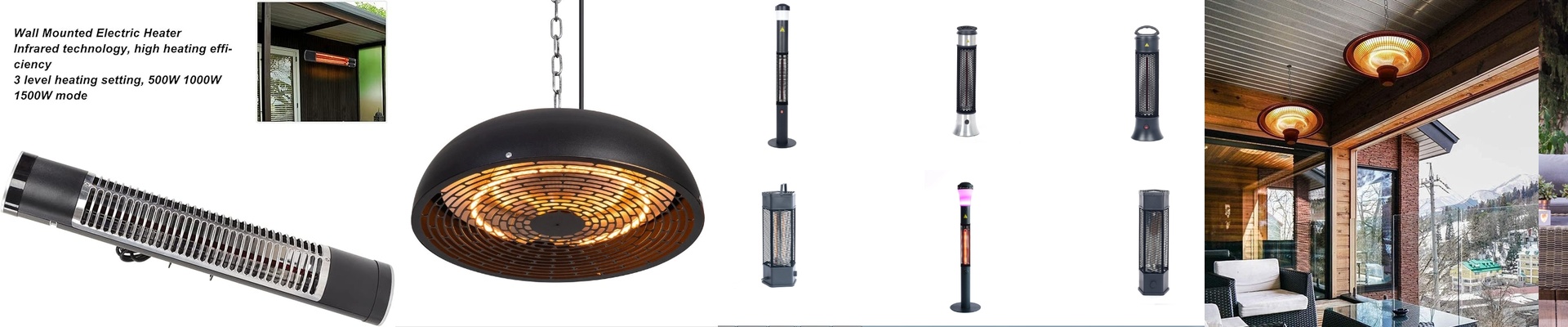
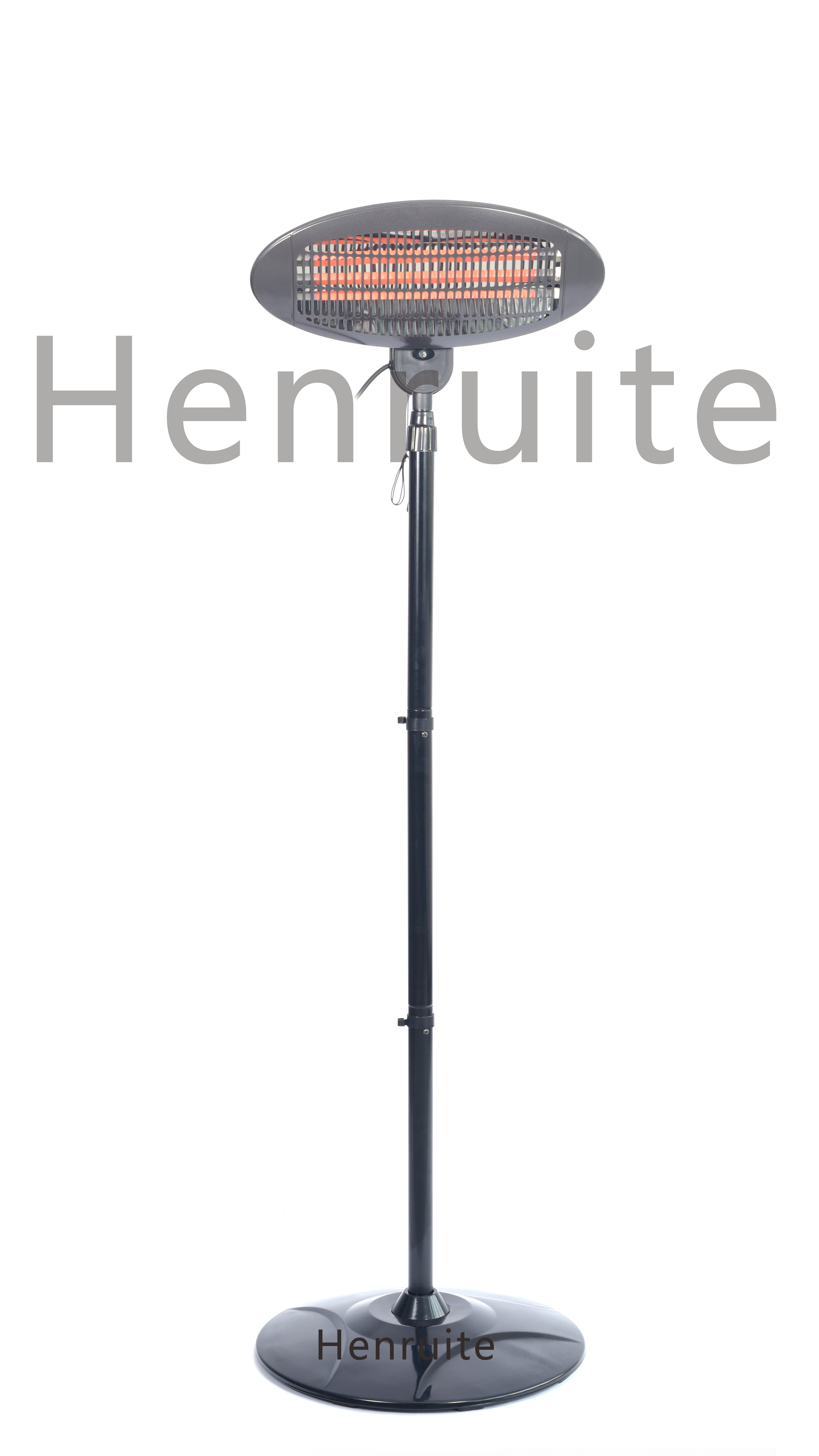
Installing infrared heaters way up in a high ceiling is a tough job. It puts a lot of pressure on the gear. Most of the time, when these things fail, it’s because of moisture. Imagine a tiny drop of water hitting a scorching hot quartz tube. That sudden temperature snap—what we call thermal shock—cracks the glass instantly. It’s a mess. That’s exactly why we build our high-ceiling units with specific anti-fog and splash-proof seals. Dealing with the damp High ceilings are magnets for humidity. You get these weird temperature swings that cause fog to build up right where you don’t want it. We’ve tweaked the housing shape and added specialized seals to keep that moisture away from the emitters. By keeping the surface bone-dry, we stop those “cold spots” that usually burn out a tube way too early. Plus, it means the heat actually hits the floor evenly, instead of leaving you with random chilly patches. Built for the grit If you’re running a workshop or a warehouse, you know it’s never clean. There’s dust, grime, and the occasional splash of something you probably shouldn’t be breathing in. We use IP-rated enclosures to shield the electrical bits and the reflector. Because let’s be honest: water hitting an exposed terminal is a recipe for a short circuit or a rusted-out connection. Our gaskets act like a shield against all that junk. Now, there is a small trade-off. These protective shells can tighten up the airflow around the back of the unit. Just make sure your mounting brackets leave plenty of breathing room. You don’t want the housing overheating if you’re running them 24/7. Less time on a ladder The real win here? You aren’t hauling a 10-meter ladder out every few months just to swap a blown lamp. We built these things to take a beating in damp, dusty spots. Once you’ve got them wired up, those extra layers of protection act as a buffer. If something does eventually give out, it’ll likely be a replaceable electrical part rather than that fragile quartz tube. It just makes life a lot easier.