
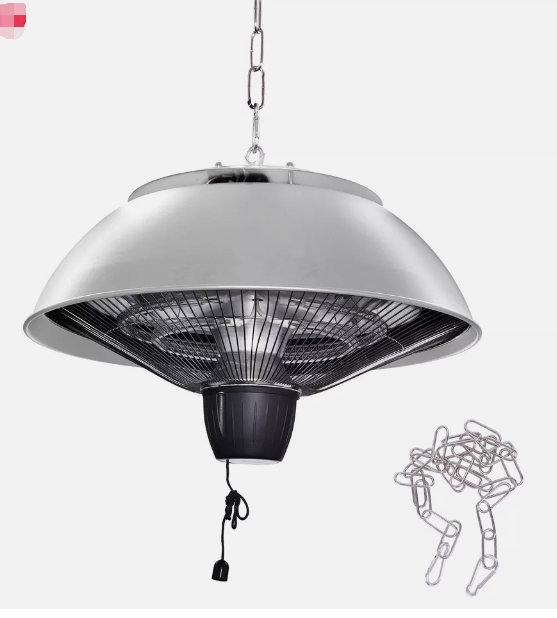
Keeping Your Infrared Heaters Safe in Wet Spots
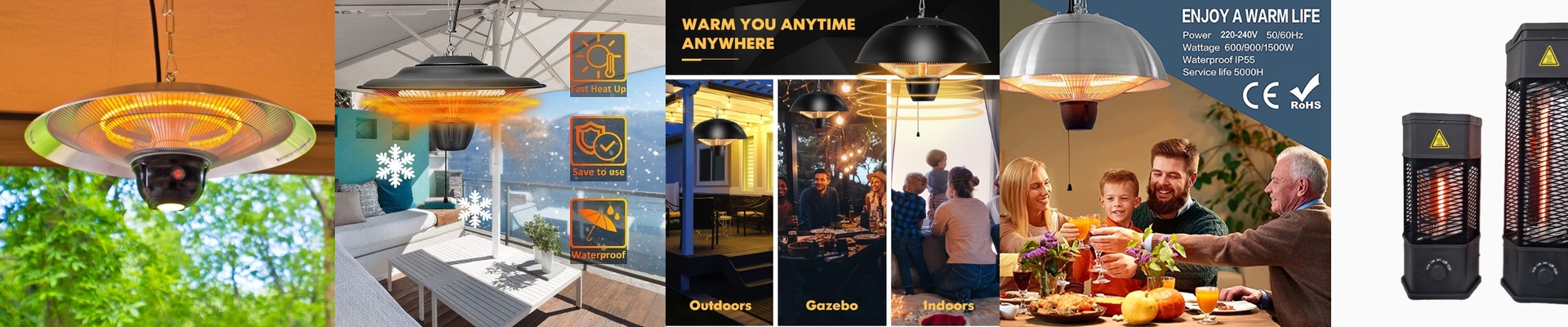
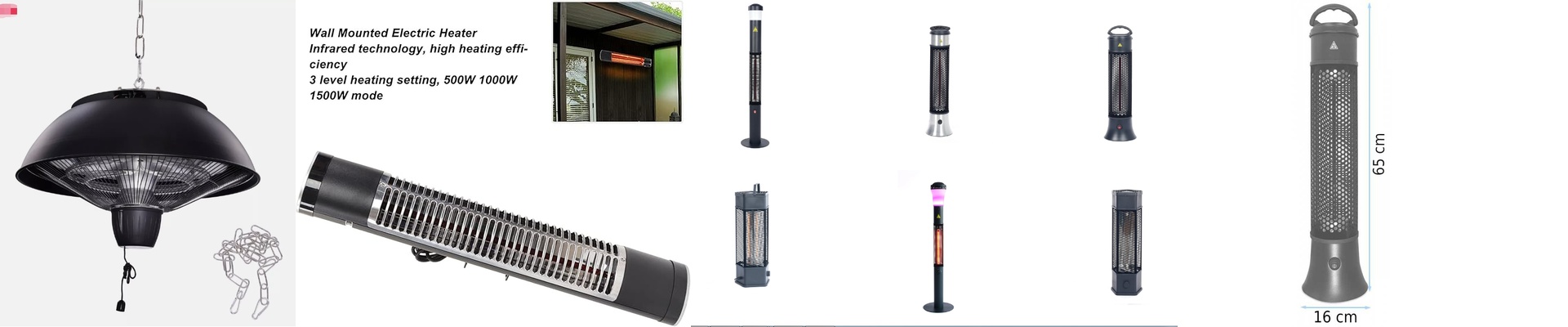
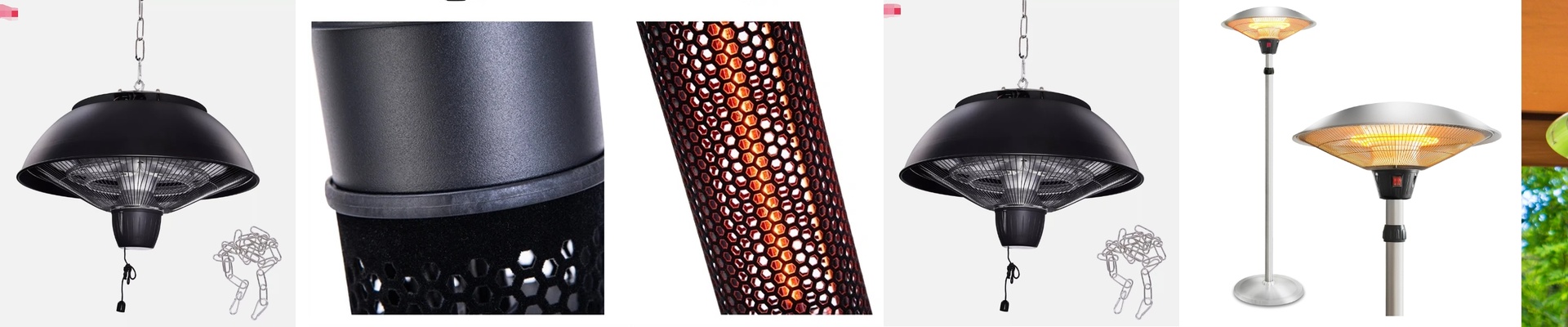
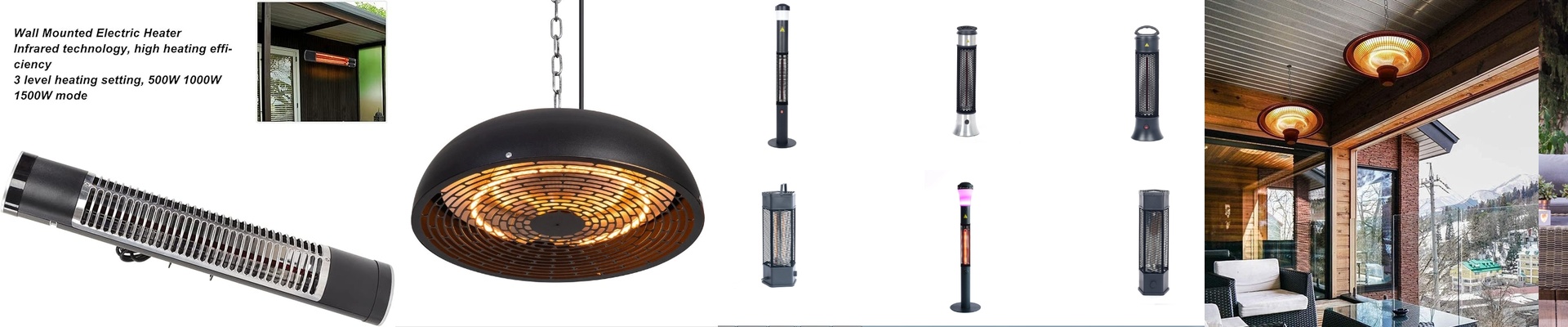
If you’re putting infrared lamps in a bathroom or out in the garden, you’ve got a bit of a battle on your hands. Moisture and steam are everywhere, and as any electrician will tell you, water and electricity are a nightmare pairing. When steam gets into the wrong places, it creates a path for electricity to travel where it shouldn’t. That’s how you end up with short circuits or, worse, a ground fault. That’s why we lean heavily on theIP65 rating. It’s basically the gold standard for keeping the bad stuff out.
What “IP65” Actually Means for You
Think of an IP65 rating as a suit of armor. It means the heater is dust-tight and can handle being hit by water jets without breaking a sweat. But it’s not just about the outer shell. We go deeper. The internal wiring and the spots where the lamp connects are sealed up with high-temp silicone or heavy-duty gaskets. This stops steam from sneaking into the electrical junctions. The real danger zone? Where the power cord enters the chassis. If that seal isn’t tight, moisture settles right on the terminals. Over time, that leads to “tracking”—which is just a fancy way of saying the unit will eventually burn itself out.
Getting the Insulation Right
To make sure these things are truly safe, we use double-insulated cabling and reinforced grounding. We also use ceramic or mica supports to keep the heating element away from the chassis. These materials are great because they don’t conduct electricity, even when the air is thick with humidity. We test every unit for leakage current because the chassis should stay “dead”—meaning you can touch it without any surprises. Still, don’t gamble. Always make sure your circuit is backed by anRCD or GFCI. Even the best IP65 seal can fail eventually, and that switch is your final safety net.
The Trade-off: Heat vs. Water
Here’s the tricky part. When you seal a heater tight enough to keep water out, you’re also trapping the heat inside. Since there’s no airflow, the internal electronics run a lot hotter. You can’t just shove a high-wattage lamp into a tiny sealed box and hope for the best. If you do, the heat will cause the seals to expand and warp. Once those gaskets warp, your waterproof seal is gone. It’s a balancing act. Always double-check your clearance specs to give the unit some room to breathe.