


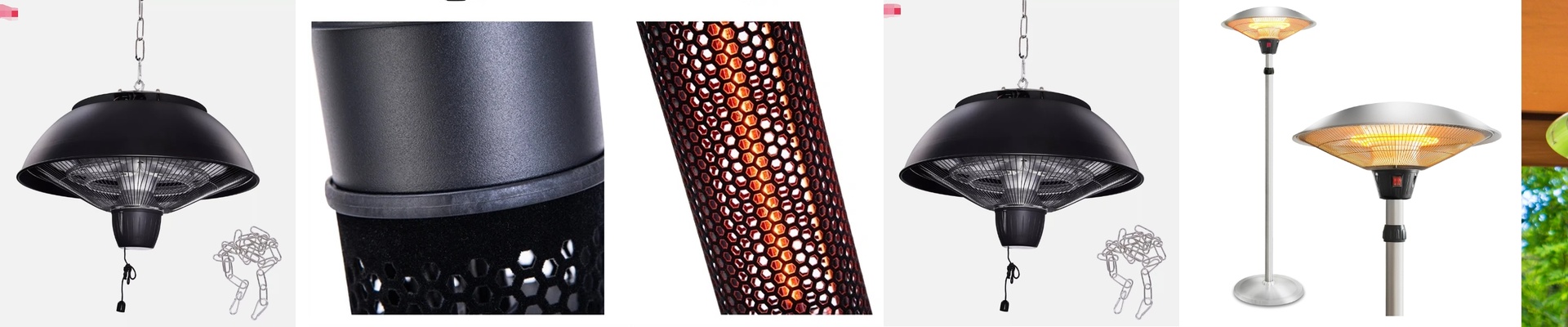

Getting Your Bathroom Heater Wattage Right
If you’ve ever stepped out of a shower into a freezing bathroom, you know that feeling. It’s miserable. But here’s the thing: just throwing any old infrared lamp in there won’t fix it. You have to match the wattage to the size of the room, or you’re just throwing money away on electricity while you’re still shivering. Infrared is different from a standard space heater. It doesn’t bother warming up the air; it goes straight for your skin. If your ceilings are high and your lamp is too weak, that heat just disappears before it ever hits you. The size of the room matters. If you’re dealing with a tiny powder room (under 5m²), keep it simple. A 250W to 400W lamp is usually plenty. Go any higher in a space that small and you’ll end up with “hot spots”—those annoying areas where it feels like you’re standing too close to a campfire. For the bigger bathrooms (around 6m² to 12m²), you’ll want to jump up to 600W or 800W. I’ve seen people try to cheat this by installing a bunch of low-wattage bulbs to cover the area. Don’t do that. It doesn’t work. You’re better off with a few powerful lamps that can actually push the heat across the room. The trade-off The upside to higher wattage? It’s instant. You flip the switch and you feel it immediately. But there is a catch. High-power lamps pull a lot of juice. If your wiring is old or your circuit breaker isn’t rated for the load, you’re going to trip the power the second you turn the heat on. It’s a huge pain to reset your electrical panel just because you wanted a warm towel. Check your wires first. Saving a bit of cash You don’t need these things running all day. That’s just wasteful. Putter a timer or a motion sensor on them instead. It’s way easier. Also, think about your walls. If your bathroom is drafty or has poor insulation, you’ll need a bit more power to keep things cozy. If the room holds heat well, you can dial it back and still feel great.