


Keeping Your Bathroom Dry (and Mold-Free)
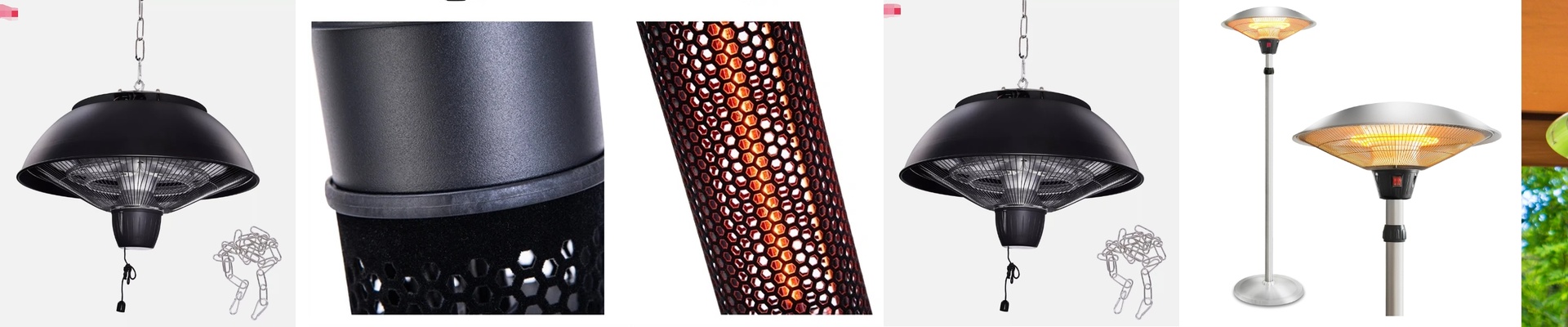
Most people think of those recessed infrared ceiling heaters as just a way to stop the shivers when you step out of the shower. But if you look at them from an engineering perspective, they’re actually a secret weapon for fighting moisture. We didn’t just build these to make you feel cozy. We designed them to push moisture right out of your walls and grout.
How it actually works
Here’s the thing about mold: it loves stagnant, damp air. If you use a standard heater, it just warms up the air. The problem? That warm air often hits a cold wall and turns back into condensation. It’s a cycle that basically invites mold to move in. Our infrared lamps do things differently. Instead of heating the air, they send energy straight into the surfaces—your tiles, your grout, your ceiling. When those surfaces get warm, the water trapped inside them evaporates much faster. You aren’t just warming the room; you’re essentiallydrying out the bones of your bathroom. That makes it nearly impossible for mold spores to find a place to settle.
The nitty-gritty on the hardware
We use high-wattage quartz elements because they heat up fast. Really fast. Because the heat is so concentrated, you can dry out a specific spot without having to turn the entire bathroom into a sauna. It’s efficient. One heads-up, though: these lamps pull a lot of power the second you flip the switch. Make sure your wiring is up to the task. If your circuits are a bit old or undersized, you’re probably going to trip a breaker.
A few things to keep in mind
Since shortwave IR is so intense, you can’t just put these anywhere. They need to be properly recessed and shielded. If you mount the unit too low, it’ll feel less like a gentle warmth and more like you’re standing too close to a campfire. We usually suggest a ceiling height of at least 2.2 meters. That’s the sweet spot where you get the drying power without feeling scorched. And just a reminder: you still need a good exhaust fan. The infrared lamps are great at pushing water out of your walls and into the air, but the fan is what actually kicks that moisture out of the house.