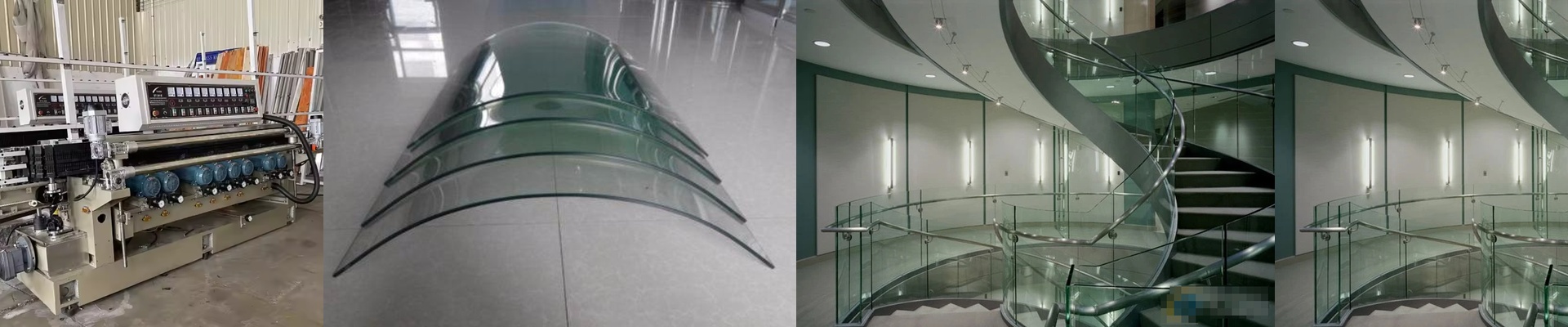
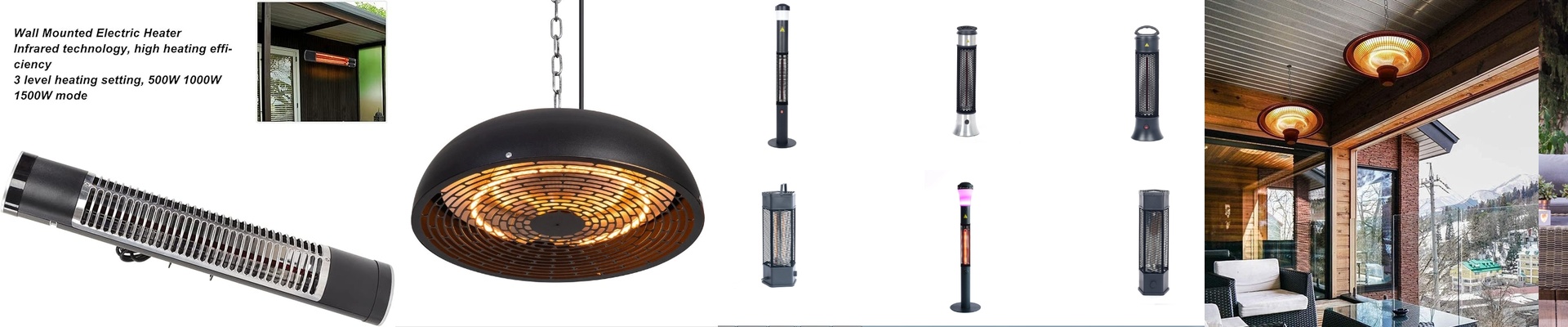
On the line, timing is everything. One under-heated zone and the glass splits under press load. One hot spot and you lose flatness—scrap a pane and stop the line. We built the Controlled Glass Forming Heater to take the guesswork out of that equation, giving you repeatable heat where the process needs it—fast, even, and predictable.
What matters under the hood
We run short-wave quartz heating elements with tight spectral control, so the energy goes into the glass, not the air around it. That means rapid response—temperature ramps in seconds—and a stable thermal field that keeps convection drift in check. The output is calibrated for industrial duty cycles, with power density matched to typical tempering and bending presses. The module sticks to a standardized mechanical envelope and connector interface, so it drops into existing mounting points and power connections without custom brackets.
Why this matters in tempering and bending
The heating profile sets both yield and safety. A uniform heat spread lowers thermal stress, which cuts down on edge fractures and optical distortion. Faster ramp-up shortens cycle time, so you hit throughput without pushing the whole line. Energy use drops, too, because the heater targets the glass directly and holds setpoint without overshoot—something that adds up fast across shifts when you’re watching kWh.
Here are the practical details
It’s a drop-in replacement, but don’t skip the machine interface work. Match the existing PID settings and thermocouple type; if those are off, you’ll see overshoot, especially on thin glass. We supply the adapter harness and mounting alignment specs, but final calibration should be done with a thermal scan of the actual glass load. Warm-up behavior will feel a little different than older heaters. Once you dial it in, the process settles in—more consistent, not just faster.