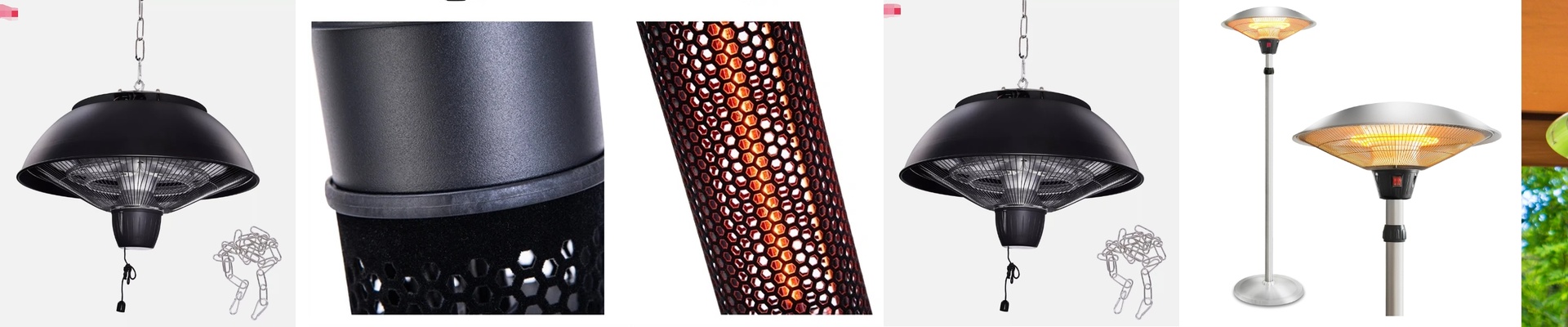
On the line, annealing is where you shut down thermal stress before it writes its own story into the glass. When the annealing heater starts to drift, you pay for it fast: edge cracks after cutting, parts breaking spontaneously in the warehouse, and scrap that quietly murders yield. We built this glassware annealing heater to keep the temperature profile steady, keep cycle times tight, and keep energy draw predictable—so the furnace behaves like a repeatable process, not a guess. What matters under the hood This heater leans on short-wave quartz elements for radiant heat—fast response, tight control. In practice, you can ramp up to 12°C/s, so you hit the annealing soak quickly without overshoot. The heated zone holds ±2°C uniformity across the load, which cuts down the thermal gradients that concentrate stress. Power density is 3.5 W/cm², tuned for glassware so heat penetrates without driving convection hot spots. It runs on 480 V three-phase and the footprint is compact enough to drop into standard furnace openings. Why it fits real glass work In glass processing—annealing, bending, and post-form stress relief—timing and temperature distribution drive yield and repeatability, period. Faster ramps shorten cycles and boost throughput, but you still get soak stability. Tight uniformity reduces hidden thermal stress rejects, and the radiant approach puts energy where it belongs: on the ware, not the chamber walls. The payoff shows up downstream: fewer fractures, more consistent optical quality, and lower kWh per batch. Here is the thing with radiant heat: it needs line-of-sight, so load geometry matters. If fixtures shield too much or the stack is too dense, you get shadowing and cooler zones. Plan part orientation and spacing so every surface sees the heat, and double-check clearance to the element array. Beyond that, this unit is intended as a direct retrofit into many standard annealing lehrs—just confirm mounting dimensions and terminal layout before you commit to the changeover.
על הקו, אנילינג הוא השלב שבו מפסיקים את המתח התרמי לפני שהוא משאיר סימן משלו בזכוכית. כאשר גוף החימום של האנילינג מתחיל לסטות, משלמים על כך מהר: סדקים בקצוות לאחר החיתוך, חלקים המתפרקים באופן ספונטני במחסן, ופסולת שמשפיעה על התפוקה בשקט. בנינו את גוף החימום לאנילינג של כלי הזכוכית הזה כדי לשמור על פרופיל טמפרטורה יציב, לשמור על זמני מחזור קצרים, ולשמור על צריכת אנרגיה צפויה — כך שהתנור יתנהג כתהליך שחוזר על עצמו, ולא כהערכה.
מה שחשוב מתחת למכסה
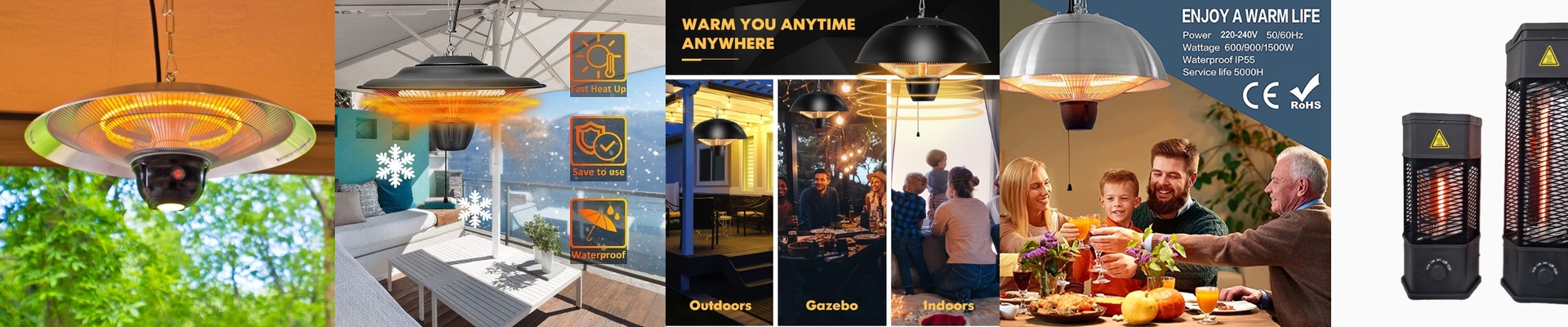
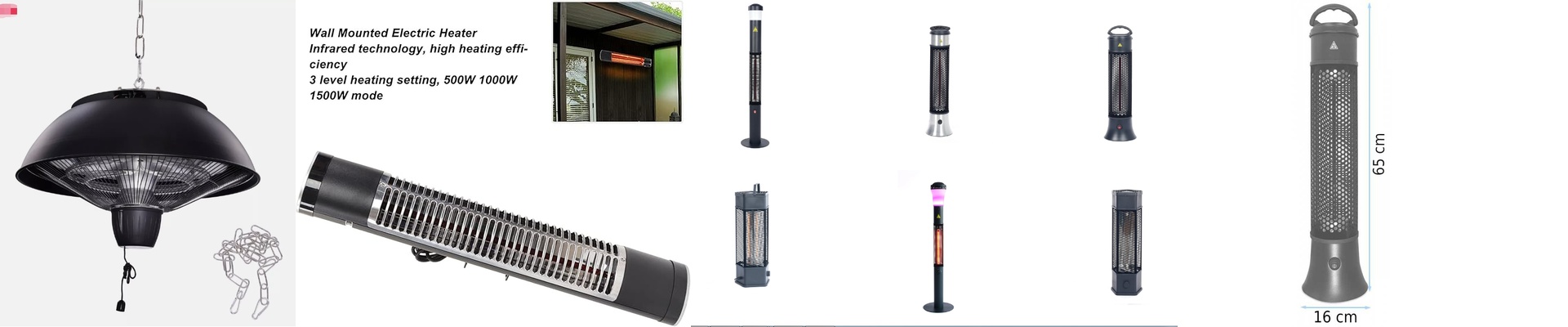
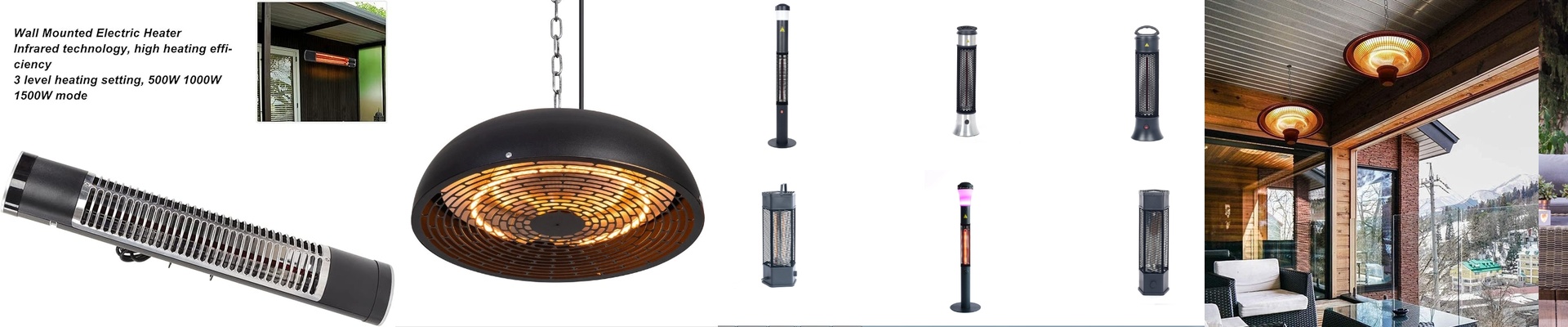
גוף החימום הזה משתמש באלמנטים קוורציים קצרים ליצירת חום קרינה — תגובה מהירה ושליטה הדוקה. בפועל, ניתן להאיץ עד 12°C/s, כך שמגיעים במהירות לטבילה באנילינג בלי חריגה בטמפרטורה. אזור החימום שומר על אחידות של ±2°C על פני העומס, מה שמקטין את גרדיאנטי הטמפרטורה שמרכזים את המתח. צפיפות ההספק היא 3.5 W/cm², מכווננת לכלי זכוכית כך שהחום חודר מבלי לגרום לנקודות חמות של זרימת קונבקציה. הוא פועל במתח של 480 V תלת-פאזי והגודל קומפקטי מספיק כדי להתאים לפתחים סטנדרטיים בתנורים.
מדוע הוא מתאים לעבודה אמיתית בזכוכית
בעיבוד זכוכית — אנילינג, כיפוף והפגת מתח לאחר עיבוד — התזמון והפצת הטמפרטורה הם אלה שמכתיבים את התפוקה והחזרתיות. האצות מהירות מקצרות מחזורים ומגבירות תפוקה, אך עדיין שומרות על יציבות הטבילה. אחידות הדוקה מפחיתה דחיות של מתח תרמי נסתר, והגישה הקרינתית ממקמת את האנרגיה במקום המתאים: על הכלי, לא על קירות התיבה. התוצאה ניכרת בשלב הבא: פחות שברים, איכות אופטית יציבה יותר, וצריכת קוט"ש נמוכה יותר לכל אצווה.
הנקודה עם חום קרינה היא שהוא זקוק לקו ראייה ישיר, ולכן גאומטריית העומס חשובה. אם התקנים מסתירים יותר מדי או שהערימה צפופה מדי, נוצרים צללים ואזורים קרים. יש לתכנן את כיוון וריווח החלקים כך שכל משטח יקבל את החום, ולבדוק כפול את הפירוק לארכיטקטורת האלמנטים. מעבר לכך, היחידה מיועדת להתקנה ישירה כפתרון שדרוג ברבים מהתנורי אנילינג הסטנדרטיים — רק יש לאשר מידות ההרכבה ופריסת הטרמינלים לפני שמתחייבים לשינוי.