

Getting Your Voltage Right for Glass Score Line Heating
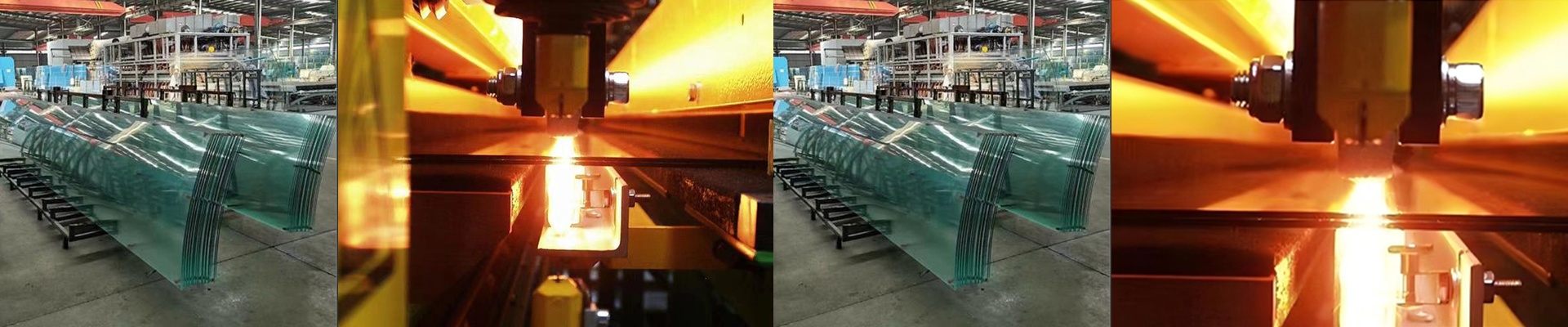
When you’re heating a score line in glass, it’s all about a delicate balance. You need enough heat to weaken the glass exactly where you want it, but not so much that the whole thing just shatters. That’s why we use infrared quartz lamps. But here’s the real headache: the power grid.
The Voltage Struggle
Most lamps you find in a catalog are built for 110V or 220V. That’s fine for a home workshop, but not for a factory floor running on 480V or 575V. Now, you could slap a transformer on every single lamp to step the power down. But that’s a mess. It makes your machine bulky, takes up way too much space, and gives you a dozen more parts that can break. We do things differently. We actually build the lamps to match your power. By tweaking the thickness and length of the tungsten filament, we can hit whatever wattage you need—500W, 2000W, whatever—while running directly on your industrial voltage. You just wire them straight into your busbars and forget about it.
Heat, Density, and the “Burn Out” Risk
We use high-purity quartz because it can handle being turned on and off rapidly without cracking. But you have to be careful with the physics here. A higher voltage setup lets us use a thinner filament, which gets hot—really hot—and does it fast. That’s great for productivity, but it creates a lot of heat flux in a small area. **Word of advice:**Check your venting. If your cooling fans aren’t up to the task, you’ll end up warping your reflectors or frying your sockets. It’s a quick way to turn a productive day into a maintenance nightmare.
Making it Fit
There’s nothing worse than getting a custom part that doesn’t actually fit the machine. That’s why we use standard industrial connectors. They should slide right in as a drop-in replacement for what you’re using now. Whether you need a weird length or a specific voltage, the goal is to get rid of those clunky external converters. Your electrical panel stays clean, and your heating cycles ramp up faster. It just works.